...

By Amanda Greenwood
Associate News Editor
0
Share
Newsweek is a Trust Project member
See more of our trusted coverage when you search.Prefer Newsweek on Googleto see more of our trusted coverage when you search.
Retail store closures continued across the U.S. in March, with discount and pharmacy chains making up the bulk of the shutdowns. New data, cited by Supermarket News, shows that Dollar Tree closed more stores than any other retailer during the month.
The closures are part of a broader reshaping of the retail landscape, driven by inflation pressures, changing consumer shopping habits, and companies reassessing which locations make the most financial sense.
Dollar Tree Closed the Most Stores in March
According to tracking data compiled by ScrapeHero and analyzed by Supermarket News, Dollar Tree closed 13 stores in March, the highest total among major retailers for the month.
Read More on News
The closures were concentrated in the Northeast, with four stores shutting down in New Jersey and three in New York. Other closures were scattered across additional states, though the company did not release a location‑by‑location explanation for each store.
Dollar Tree has been associated with expansion in recent years—according to The Independent, it plans to open 400 new stores in 2026—so the March closures perhaps reflect a strategy of trimming underperforming locations rather than a broader retreat from brick‑and‑mortar retail.
Other Retailers That Closed Stores in March
Dollar Tree was not alone in scaling back.
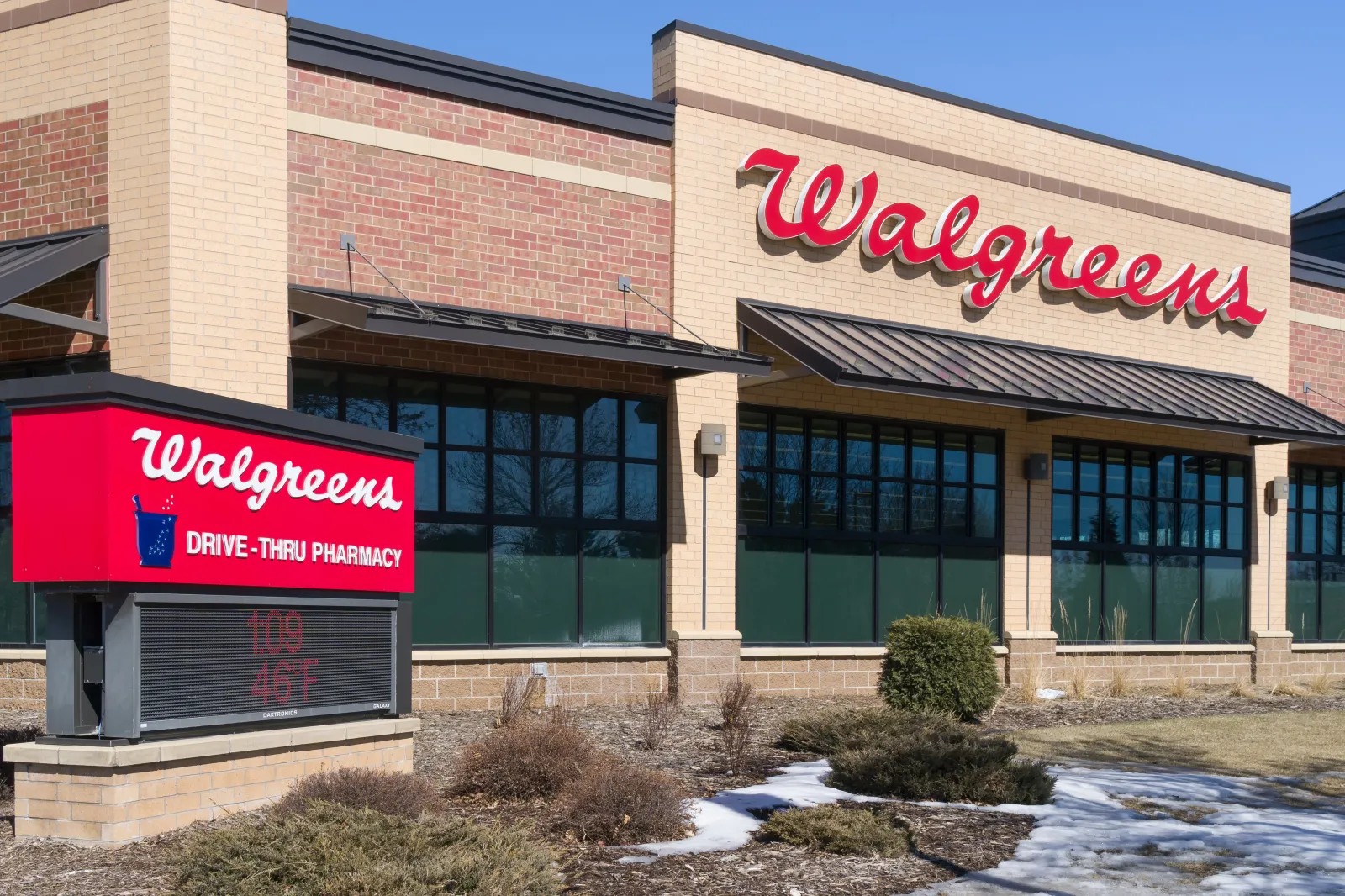
- Walgreens closed five locations in March
- CVS also shut down five stores
- Family Dollar, which is in the process of being sold off by Dollar Tree, also closed five locations
- Publix closed three stores during the month
At the same time, some retailers expanded. According to Supermarket News, CVS led store openings in March with six new locations, followed by Target, which opened five stores, highlighting how closures and growth are happening side by side.
...
Why Stores Are Closing Even as Retailers Expand
Retail analysts say these closures don’t necessarily signal financial distress across the board. Instead, they point to a more selective approach to physical retail.
For Dollar Tree, store closures are tied to pruning weaker locations while continuing to open stores in higher‑performing markets. According to finance website Insider Monkey, the company expects to close about 75 stores during 2026, even as it plans hundreds of new openings nationwide.
Several broader factors are contributing to closures across the industry:
- Inflation and higher operating costs, including rent, wages, and utilities.
- Consumer Affairs points to shifts in consumer behavior, with more shoppers buying essentials online or consolidating trips.
- Store overlap, particularly in dense urban or suburban areas, has been cited by Good Housekeeping.
- Lease expirations, which provide natural exit points for underperforming locations, could be another reason, according to Consumer Affairs
What Store Closures Mean for Shoppers
For consumers, store closures can make shopping less convenient, particularly in low‑income or rural areas where discount stores and pharmacies are often essential.
However, it could be argued that concentrating resources in higher‑traffic locations allows companies to maintain lower prices and better inventory in the long run.
The March data shows the retail sector is not shrinking uniformly—but becoming more targeted. As companies continue adjusting their footprints throughout 2026, more closures are expected, even among brands that are still expanding elsewhere.
View 0 Comments
Submit Correction
View Editorial & AI Guidelines