...

By Anna Skinner
Associate News Editor
0
Share
Newsweek is a Trust Project member
See more of our trusted coverage when you search.Prefer Newsweek on Googleto see more of our trusted coverage when you search.
Millions of people across three states were advised to stay inside to avoid exposure to poor air quality this week as National Weather Service (NWS) meteorologists released air stagnation advisories and air quality alerts on Tuesday.
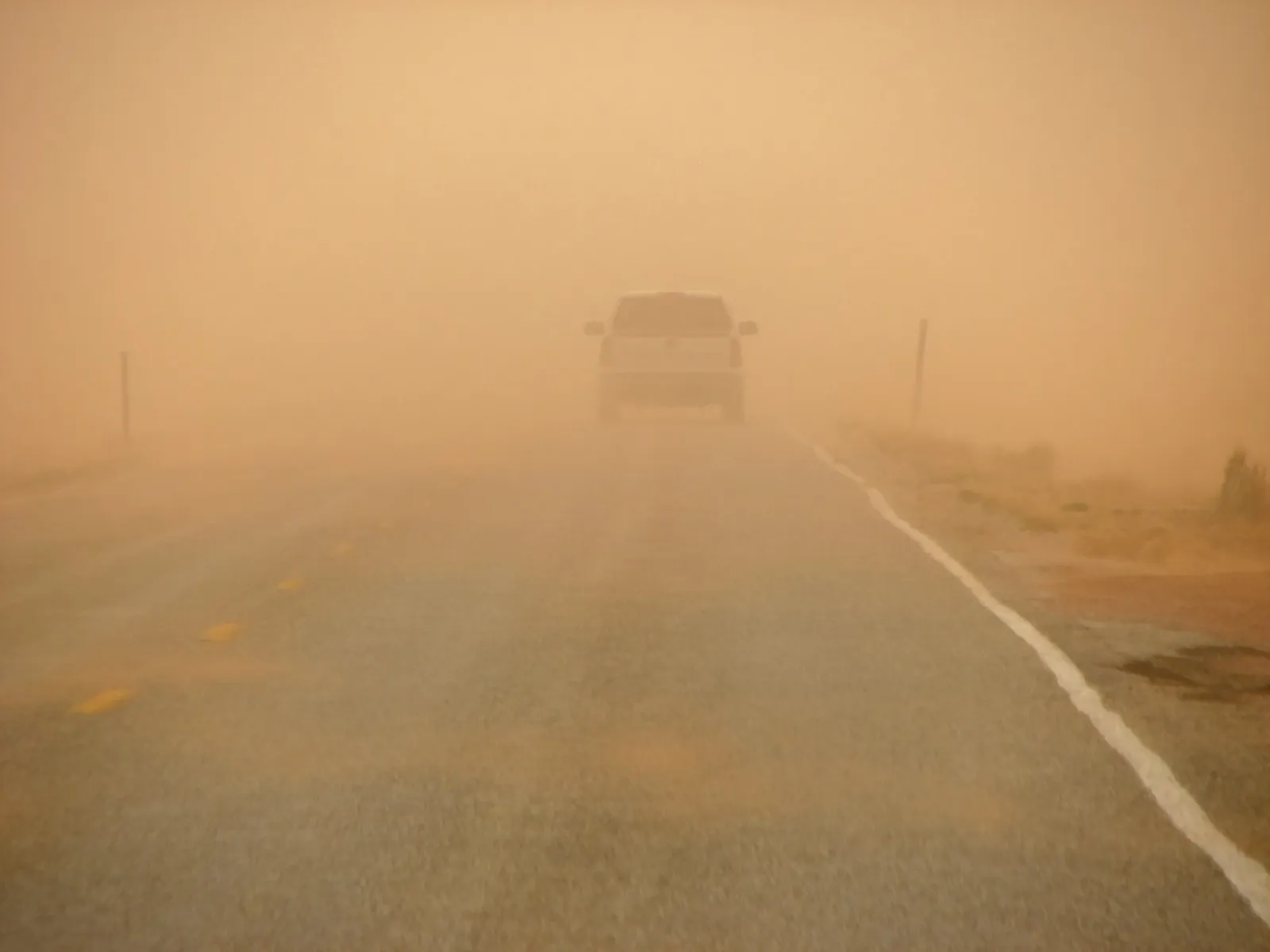
Millions of residents across Oregon, Idaho and Arizona faced potentially poor air quality this week amid air stagnation and blowing dust. Exposure to poor air quality can increase health risks for people, particularly those struggling with respiratory or cardiovascular illnesses, older adults, children and those who are pregnant.
As of Tuesday afternoon, the NWS has issued numerous air stagnation advisories and air quality alerts across the impacted states, indicating conditions conducive to pollution buildup and reduced air circulation.
Read More on U.S.
Air Stagnation Advisories
Light winds and limited air movement is predicted to trigger air stagnation in Oregon and Idaho this week, which could contribute to worsening air quality.
In Idaho, the NWS offices in Boise and Pocatello issued the advisories, which are in effect for the cities of Goodrich, Twin Falls, Malheur City, Caldwell, Nampa, Baker, Council, Indian Valley, Fruitvale, Ontario, Mesa, Nyssa, Cambridge, Boise, Glendale, Shelley, Preston, Thatcher, Pocatello, Fort Hall, Blackfoot, American Falls and Malad.
The advisories are set to remain in place until Friday afternoon or Monday morning, depending on the location.
In Oregon, the NWS office in Portland issued the advisory for the cities of Shortys Corner, Pleasant Hill, Lebanon, Proebstel, Clark County Fairgrounds, Vida, Salem, Dorena, Orchards, Albany, Blue River, Zigzag, Rose Valley, Kelso, Cottage Grove Lake, Holley, Eugene, Brightwood, Mohawk, Cascadia, Hockinson, Sifton, Scappoose, Marcola, Cherryville, Battle Ground, Jasper, St. Helens, Springfield, Welches, Oakridge, Three Lynx, Greenberry, Dorena Reservoir, Longview, Warren, Mayger, Rhododendron, Green Peter Reservoir and Corvallis.
"People with respiratory illness should follow their physician`s advice for dealing with high levels of air pollution during periods of stagnant air, especially if an Air Quality Alert is in effect for your area," the advisory said.
NWS meteorologist Noah Alviz, who works at the Portland office, told Newsweek that air stagnation advisories aren't normal for this time of year, given that the typical winter season is wet and rainy, but high pressure and light winds have generated little air movement, which can cause pollutants to remain stagnant and worsen air quality.
Air Quality Alerts
Air quality alerts are in place for Oregon and Arizona.
The Oregon Department of Environmental Quality issued the alert for the cities of Bend, Redmond, Sunriver, Sisters, La Pine, and Brothers. People within the impacted areas were urged to follow local burn restrictions, avoid strenuous outdoor activity, and remain indoors if especially vulnerable, such as children and those with heart or lung problems.
The alert will stay in place until 10 a.m. Thursday local time.
The Arizona Department of Environmental Quality issued a similar alert for the cities of Tucson, Green Valley, Marana and Vail, which will be in effect on Wednesday.
"An episode of strong and gusty winds is forecast to generate widespread blowing dust that may result in local PM-10 concentrations that pose a health risk," the alert said. "Adverse health effects increase as air quality deteriorates. Coarse particulate matter - also known as PM-10 - is an air contaminant that can aggravate heart and lung disease conditions, especially in older adults, children, and those with asthma. A decrease in physical activity is recommended. Consolidate your travel, stabilize loose soils, slow down or avoid travel on dirt roads, reduce or eliminate fireplace use, and avoid using gas-powered lawn equipment."
...
How Staying Indoors Can Help Reduce Exposure
If especially vulnerable to poor air quality, people might see an improvement in their symptoms if they remain indoors throughout the duration of the alert.
Officials advised setting home and vehicle HVAC systems to recirculate air, staying hydrated and minimizing indoor sources of smoke and dust, including smoking, burning candles, using gas or propane ranges, wood-burning stoves and furnaces, and vacuuming.
During periods of elevated ozone or particulate pollution, Oregon DEQ also recommended reducing vigorous outdoor activity and consulting a health care provider if symptoms worsen, particularly for people with heart or lung disease, asthma, older adults, children and those who are pregnant.
As of Tuesday evening, the air quality in Arizona, Oregon and Idaho is forecast to peak at moderate levels, according to AirNow's interactive air quality map. The NWS alerts will update as conditions change, and residents in the three states should follow their local forecasting office or air quality agency to monitor conditions.
View 0 Comments
Submit Correction
View Editorial & AI Guidelines