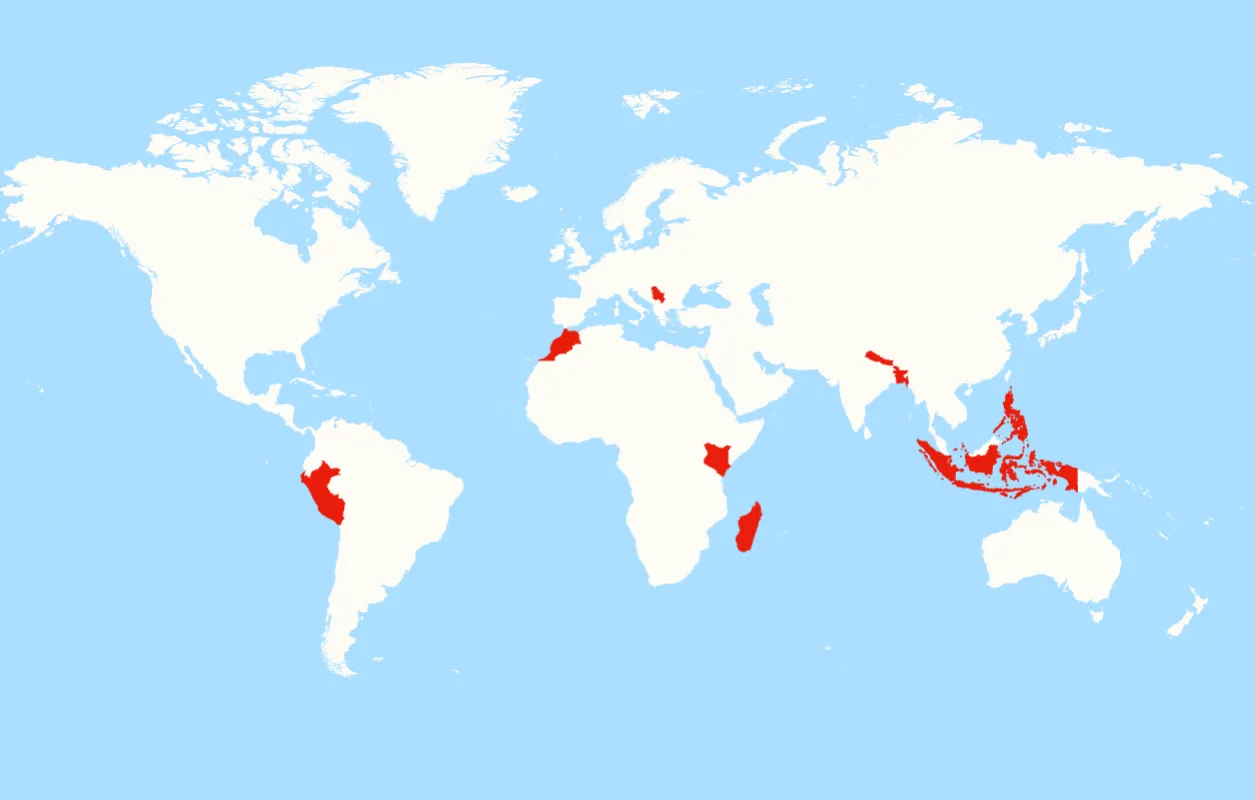
...

By Amir Daftari
News Reporter
0
Share
Newsweek is a Trust Project member
See more of our trusted coverage when you search.Prefer Newsweek on Googleto see more of our trusted coverage when you search.
Young people around the world are taking to the streets in unprecedented numbers, fueling a wave of Gen Z–led protests that span continents and causes.
From Nairobi to Jakarta, Kathmandu to Antananarivo, youth are mobilizing over grievances such as corruption, economic hardship, failing public services and restrictions on digital freedoms.
This global surge underscores how a digitally connected generation is challenging traditional power structures, shaping politics and redefining the nature of protest in the 21st century.
Read More on News
Why It Matters
These demonstrations highlight the growing political influence of a generation that came of age in economic precarity, environmental uncertainty and near-constant online connectivity. Unlike previous youth movements, Gen Z-led protests are largely decentralized, relying on social media platforms to organize, communicate and build solidarity across cities and borders.
Governments are increasingly struggling to respond. Local grievances—such as power outages in Madagascar or rising food prices in Kenya—can quickly escalate into nationwide unrest, amplified by viral hashtags, memes and shared digital culture. Nepal’s radical social-media-sparked uprising, which forced a prime minister to resign, underscores how youth activism can produce rapid and consequential political change.
Peru
The most recent wave of unrest has shaken Peru, where young demonstrators filled the streets against President Dina Boluarte and Congress. Anger over corruption and stalled reforms drove the crowds, who demanded accountability from leaders they accused of mismanagement. The scale of the marches underscored how disillusioned young Peruvians have become with institutions they see as serving political elites rather than the public.
Madagascar
In Antananarivo and beyond, thousands of young people rallied over rolling blackouts and water shortages. What began as frustration with daily hardships quickly grew into demands for political change and systemic reform. The protests led to at least 22 deaths and over 100 injuries, prompting President Andry Rajoelina to dissolve his government. Demonstrators, mobilized under the “Gen Z Madagascar” movement, have continued to call for reforms, including electoral changes and greater accountability.

...
Morocco
In Morocco, the youth-led protests have been fueled in part by the government’s prioritization of infrastructure projects for the 2030 FIFA World Cup over essential public services. Many young Moroccans view investment in stadiums and related facilities as a misallocation of resources, especially amid high unemployment, failing schools and inadequate health care. Slogans such as “Health care first, we don’t want the World Cup” have highlighted the perceived disparity between state priorities and public needs. The unrest has led to over 1,000 arrests and ongoing calls for government accountability, underscoring the growing clout of youth movements in the region.
Nepal
Kathmandu and other cities became the center of a radical Gen Z movement after the government banned 26 social media platforms. Protests quickly expanded into nationwide demonstrations against corruption and nepotism, forcing Prime Minister K.P. Sharma Oli to resign. At least 74 people died during the unrest, with over 2,000 injured—underscoring the intensity of the demonstrations. The ban has subsequently been lifted, Sushila Karki has been appointed as interim prime minister, and elections are scheduled for March 2026.
Philippines
University walkouts and mass rallies swept Manila as young Filipinos pressed corruption allegations tied to infrastructure projects. The coordinated protests highlighted the growing clout of student movements in shaping the national debate.

...
Timor-Leste
In Dili, students staged sit-ins and marches after lawmakers approved new cars and generous pensions for members of parliament. The backlash forced parliament to retreat, underscoring how youth activism can directly shift policy.
Kenya
Kenya’s streets have seen repeated mobilizations. The latest demonstrations erupted after the death of blogger and teacher Albert Omondi Ojwang, which protesters linked to police abuse. Anger also centered on rising living costs and a sense of government indifference. Earlier protests in 2024 over the Finance Bill succeeded in forcing the government to withdraw some tax hikes, demonstrating the movement’s influence on policy.
Indonesia
Jakarta and other cities erupted as students and young workers protested layoffs and rising taxes. While the immediate political outcomes are still developing, the unrest has intensified scrutiny on President Prabowo Subianto’s administration and its handling of economic grievances.

...
Serbia
A deadly canopy collapse at a railway station in Novi Sad ignited an anti-corruption movement that has persisted for months. Students and young professionals continue pressing for accountability, making Serbia one of Europe’s most visible examples of Gen Z activism.
Bangladesh
Protests erupted over the government’s quota system for civil-service jobs, with students demanding fair access and transparency. The unrest contributed to national debates on employment policy and exposed long-standing frustrations with corruption, demonstrating the power of coordinated youth mobilization.
What Happens Next
The momentum behind these movements shows no sign of slowing. Where grievances meet weak state capacity or entrenched corruption, young people are likely to continue challenging authority. Some governments, such as those in Nepal and Kenya, have already made concessions. Others, such as those in Indonesia and Morocco, continue to see unrest.
The decentralized, digitally connected nature of Gen Z activism means outbreaks can quickly reignite, making monitoring these movements critical for policymakers, investors and civil society groups worldwide.
View 0 Comments
Submit Correction
View Editorial & AI Guidelines