...

By Anna Skinner
Associate News Editor
0
Share
Newsweek is a Trust Project member
See more of our trusted coverage when you search.Prefer Newsweek on Googleto see more of our trusted coverage when you search.
Recent federal energy policy changes will leave Americans paying more for electricity and fuel, with some states hit harder than others, according to a new analysis from energy policy think tank Energy Innovation.
The report, published this week, examines the effects of rolling back clean-energy incentives and other federal policies that had been designed to encourage investment in renewable power, electric vehicles, advanced manufacturing and energy efficiency. The report found that such policy changes could lead to households paying an average of $460 extra per year for energy costs, including electricity, natural gas and gasoline, by 2035, and even more by 2040.
The authors modeled the impacts of seven major federal energy and environmental policy changes undertaken since January 2025, when President Donald Trump returned to office. The report modeled the combined effects of the One Big Beautiful Bill, rollbacks of power plant and vehicle emissions rules, restrictions on state and renewable-energy programs, cuts to hydrogen initiatives, and the cancellation of Solar for All, concluding that the changes would increase energy costs, reduce clean-energy deployment and raise pollution levels.
Read More on U.S.
“It’s no surprise that Energy Innovation—an organization that received over $20 million in direct funding from one of the largest progressive dark money groups—wrote a fraudulent analysis on President Trump’s One Big Beautiful Bill," White House spokeswoman Taylor Rogers told Newsweek. "The reality is the Working Families Tax Cuts ended Biden’s costly Green New Scam, rolled back burdensome regulations, and bolstered U.S. energy production to lower prices for American families.”
...
Which States Will Be Hit Hardest?
Energy Innovation senior analyst Dan O'Brien told Newsweek that some states will see costs rise more than others. Families in Kentucky, Missouri, Oklahoma, North Carolina and South Carolina could see costs increase $500 or more annually during the same timeframe studied in the report.
The One Big Beautiful Bill Act accelerated the phaseout of several federal clean-energy incentives, including tax credits for rooftop solar systems, home-efficiency upgrades and electric vehicle purchases. Without those incentives, energy prices will rise, O'Brien said.
"Cutting those rules is really going to hurt folks who live in those states," O'Brien said.
Although O'Brien said Energy Innovation reports show all 50 states seeing a rise in energy costs, some states will be impacted less than others, such as Maine, Vermont, Washington and New Hampshire, because of state policies in place that offer relief to consumers.
"[These] states have efficiency policies that are providing consumers with incentives or the means to upgrade their homes and cut electricity demand, or the states are supporting EV charging infrastructure for people to get from point A to point B without more gasoline," O'Brien said.
Trump's Energy Policy
Trump's energy agenda centers on what the administration calls "American energy dominance"—expanding domestic production of oil, natural gas, coal and nuclear power while scaling back a range of Biden-era clean-energy policies and electric-vehicle incentives.
Since returning to office, Trump has declared a national energy emergency, established a National Energy Dominance Council, moved to expand access to federal lands and waters for energy development, and signed executive actions promoting coal production and coal-fired power generation.
The White House said the measures will strengthen grid reliability, lower energy costs, boost manufacturing and help meet rising electricity demand, including from artificial intelligence data centers.
Related Story
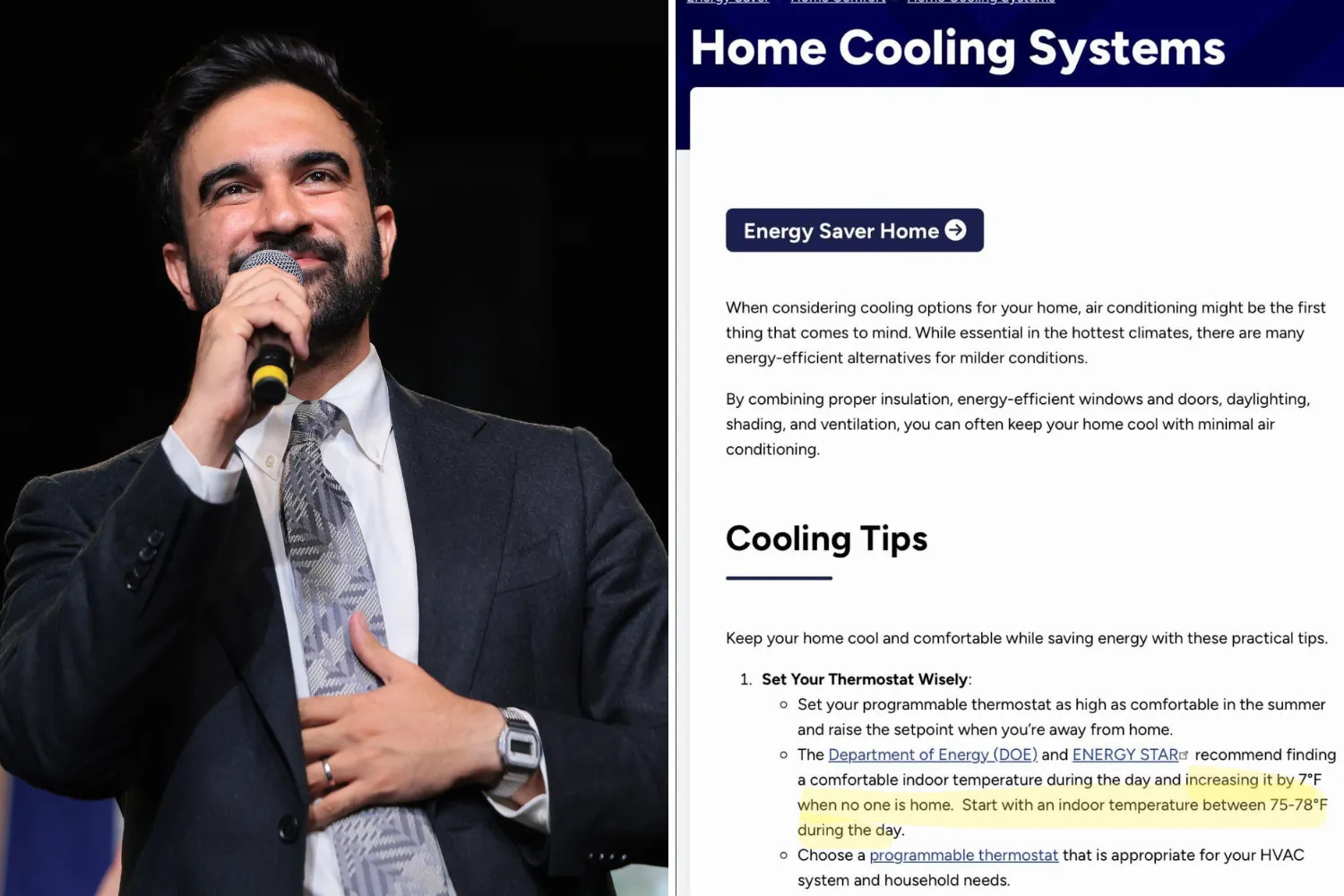
DoE Deletes Webpage Instructing People To Lower Thermostat to 78
Most Impactful Policy Changes
Aside from the passage of the One Big Beautiful Bill Act, O'Brien said one of the most impactful policy changes pursued by the Trump Administration is the Environmental Protection Agency's repeal of the 2009 Endangerment Finding, a landmark determination that greenhouse gases endanger public health and welfare, which served as the legal foundation for federal regulations limiting climate-warming emissions from vehicles and other sources under the Clean Air Act.
"It is really going to push up consumer prices because it's the legal backing for the federal tailpipe standards," O'Brien said.
Without the standards, less-efficient cars will be on the roads, and the auto industry doesn't have as many incentives to aid families in countering rising energy costs.
When it comes to Energy Innovation's most recent assessment, O'Brien said the most surprising component to him was the different approaches of the Trump administration regarding clean energy and fossil fuel use.
"All the different directions that policy is taking to cut clean energy in the U.S. really surprised me, especially because people are really struggling right now, and it's not going to change in the near future," he said.
What Happens Next
Energy Innovation is pursuing another analysis set to release in the fall about the impact to each state and what state policy makers can do to shield consumers from the rising costs.
Contact Newsweek editors on this story: Anna Skinner and Dave Siminoff.
View 0 Comments
Submit Correction
View Editorial & AI Guidelines