...

By Mandy Taheri
Reporter
0
Share
Newsweek is a Trust Project member
See more of our trusted coverage when you search.Prefer Newsweek on Googleto see more of our trusted coverage when you search.
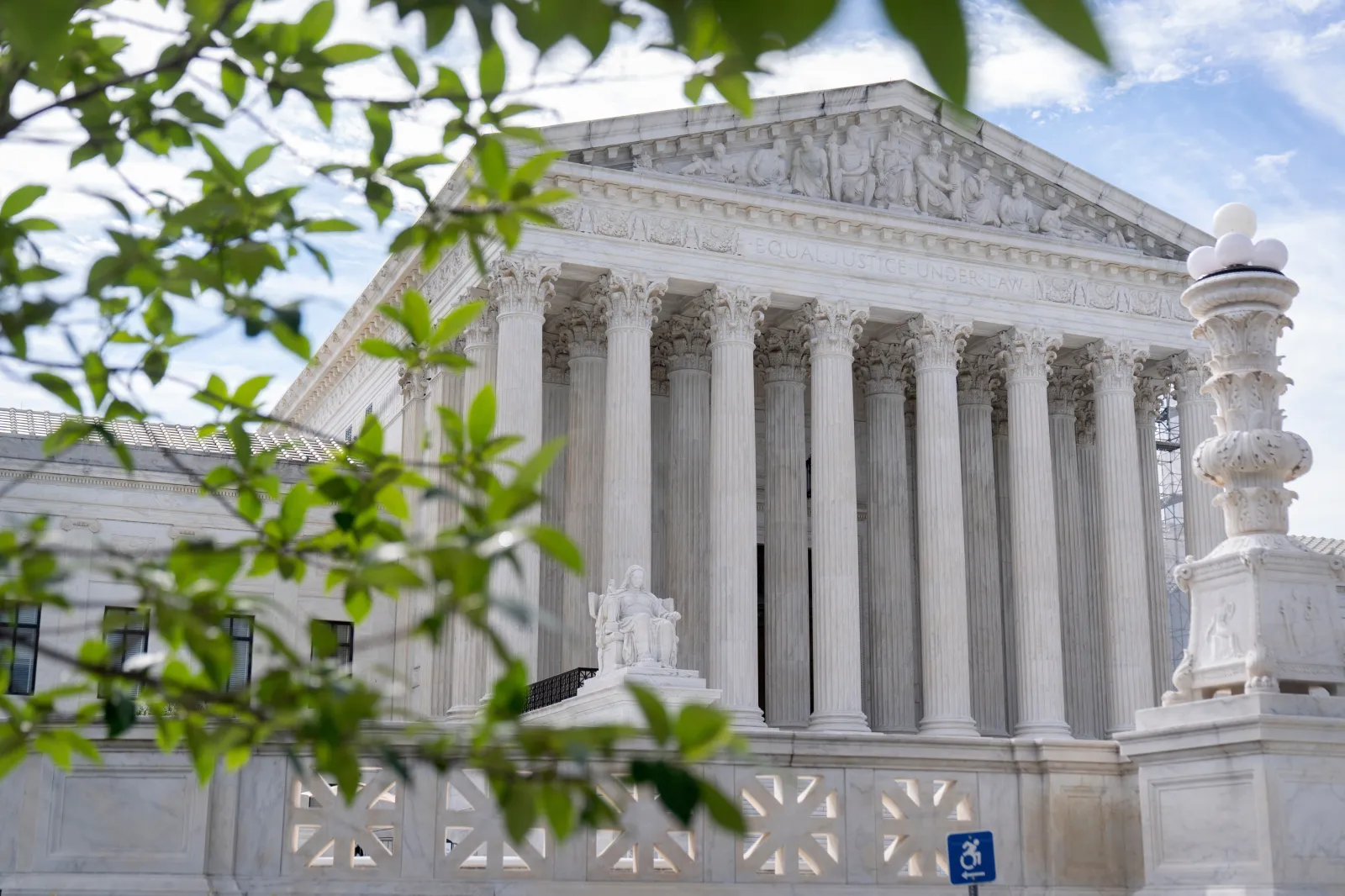
The U.S. Supreme Court has agreed to hear a case on Mississippi’s policy for counting postmarked mail-in ballots received after Election Day, and its ruling could influence how dozens of states handle ballot deadlines ahead of the 2026 elections.
Why It Matters
On Monday, the High Court granted the petition to hear Watson v. Republican National Committee. The core question of the case is whether the “federal election-day statutes preempt a state law that allows ballots that are cast by federal election day to be received by election officials after that day,” according to the petition.
Read More on News
Dozens of states, including Mississippi, allow mail-in ballots that were postmarked on or before Election Day to be counted if they were received within a certain amount of time. Mississippi accepts mail-in ballots from domestic, overseas and military voters within five business days of the election.
Senate, House and local candidates are ramping up their campaign for the 2026 elections. Traditionally, the party that does not hold the White House tends to perform better in midterms.
...
What To Know
The Republican National Committee and Mississippi’s Republican Party, as well as some voters, filed a suit against Michael Watson, Mississippi's secretary of state, over mail-in ballot rules in 2024, arguing they threatened election integrity.
A federal trial court judge upheld the state law, which was later struck down by the U.S. Court of Appeals for the 5th Circuit, arguing the state’s grace period conflicted with federal statutes.
In Mississippi’s petition to the Supreme Court, the state argues the 5th Circuit’s ruling “defies statutory text, conflicts with this Court’s precedent, and—if left to stand—will have destabilizing nationwide ramifications.”
Later in the filing, the state notes: “The rule the Fifth Circuit adopted would require scrapping election laws in most States. About 30 States and the District of Columbia accept some ballots that are mailed by election day but received after that day.”
Voting rules vary by state, with several setting specific deadlines. In Massachusetts, postmarked ballots must be received by 5 p.m. on the third day after the election, whereas in Maryland, they can be received within 10 days after the election, by 10 a.m. Some states only specify counting postmarked ballots if they're from overseas voters or military members.
Earlier this term, the Supreme Court heard arguments in Louisiana v. Callais which focuses on the constitutionality of Louisiana's congressional map, and could spur the court to strike down Section 2 of the Voting Rights Act, which prohibits racial gerrymandering when it dilutes minority votes.
The Louisiana case challenges the state’s 2024 congressional map, which created a second majority-Black district. Opponents argue that using race to draw districts in this manner violates the Constitution, while supporters say it protects minority voting power.
What Happens Next
The High Court has not said when the case will be presented to the bench.
View 0 Comments
Submit Correction
View Editorial & AI Guidelines