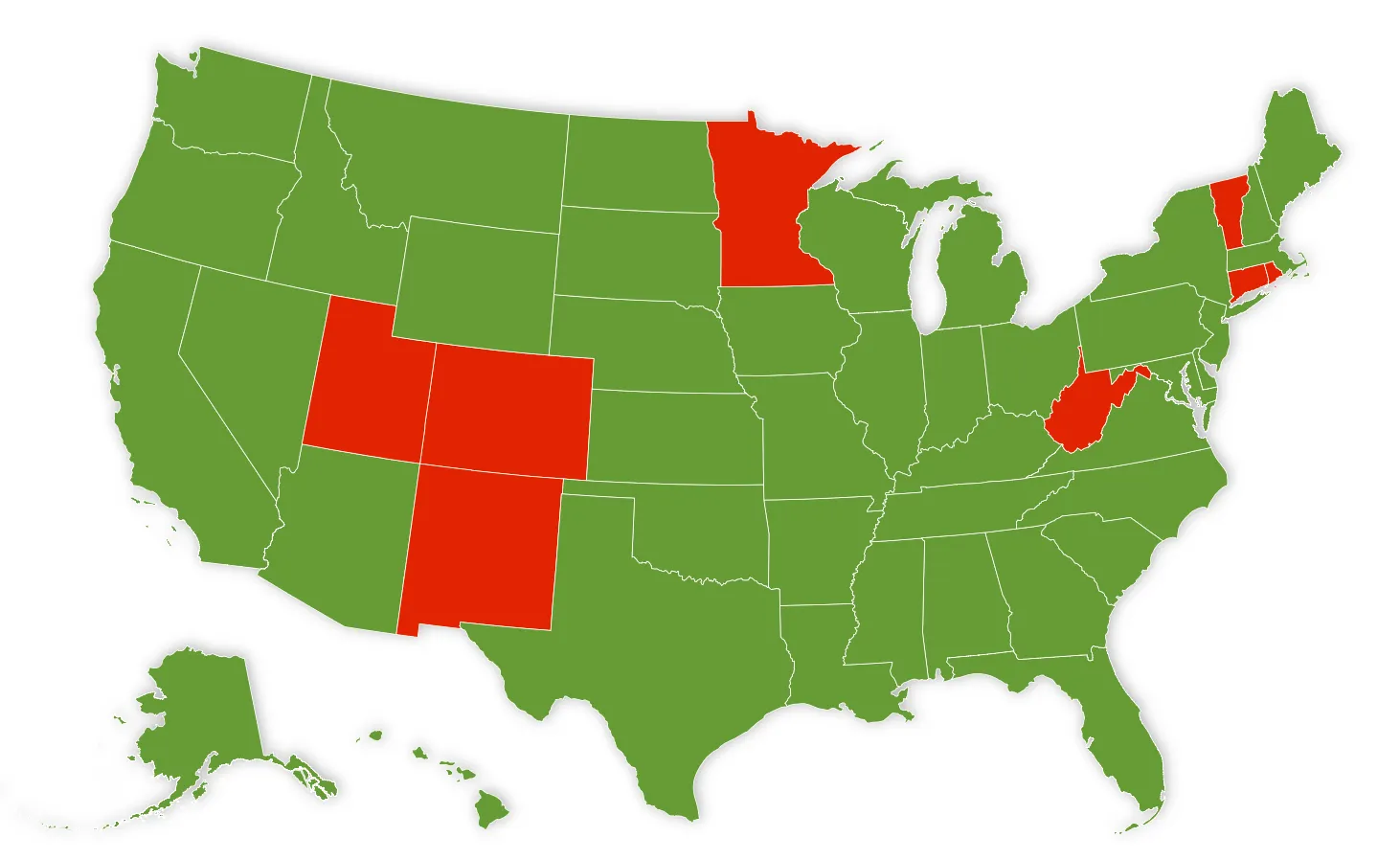
FLOURISH/SS taxes map

By Aliss Higham
Reporter
0
Share
Newsweek is a Trust Project member
See more of our trusted coverage when you search.Prefer Newsweek on Googleto see more of our trusted coverage when you search.
Ending taxes on Social Security income has made headlines as the Trump administration looks for ways to reduce financial burdens on older Americans. But although federal changes may be on the way, several states are still taxing retirement income.
Why It Matters
President Donald Trump's One Big Beautiful Bill Act is being considered in the Senate, after passing in the House in a 215-214 vote.
Read More on News
The Senate's version includes a temporary enhanced tax deduction of up to $6,000 per eligible person age 65 and older. A similar provision appears in the House's proposal, where it's referred to as a "bonus," but the deduction would be capped at $4,000.
Even if the bill is passed, it will not impact state-specific income taxes, which are separate from federal levies.
What To Know
Under federal rules, up to 85 percent of Social Security benefits are currently taxable for individuals with an income of more than $34,000, or a couple with a combined income of $44,000 or more.
The majority of Social Security recipients do not pay state taxes on their retirement income. As it stands, only nine states still tax Social Security benefits: Colorado, Connecticut, Minnesota, Montana, New Mexico, Rhode Island, Utah, Vermont and West Virginia, the last of which is phasing out taxing Social Security income in 2026.
The rules also vary by state regarding who pays and how much, with several states offering partial or full exemptions on Social Security income based on age and income levels:
- Colorado exempts all federally taxable Social Security income for residents 65 and older. Starting in 2025, those aged 55-64 can exclude all such income if their AGI is under $75,000 ($95,000 for couples).
- Connecticut offers a full exemption below $75,000 (single) or $100,000 (joint); above that, up to 25 percent of benefits may be taxed.
- Minnesota grants full exemptions for incomes under $82,190 (single) or $105,380 (joint), with partial exclusions above those thresholds and full taxation at higher levels.
- Montana taxes benefits the same as the federal government.
- New Mexico exempts federally taxable benefits for incomes below $100,000 (single) and $150,000 (joint).
- Rhode Island exempts benefits once full retirement age is reached and income is under $104,200 (single) or $130,250 (joint), with partial exemptions if only one spouse is of retirement age.
- Utah taxes Social Security income above $45,000 (single) or $75,000 (joint) but offers tax credits.
- Vermont provides full exemptions for incomes under $50,000 (single) or $65,000 (joint), as well as partial exclusions up to $60,000/$75,000, and full taxation above those levels.
What People Are Saying
President Donald Trump, on Truth Social in May: "It's time for our friends in the United States Senate to get to work, and send this Bill to my desk AS SOON AS POSSIBLE!"
Karla Dennis, a tax adviser and CEO of the tax strategy firm KDA Inc., told Newsweek: "Getting rid of taxes on Social Security would make things a lot easier for retirees. Many seniors don't expect to owe taxes in retirement, and this would help prevent surprise bills. In the end, we need real change that lasts, not just one-time payouts. Seniors deserve long-term relief they can count on."
What Happens Next
The bill faces scrutiny in the Senate before returning to the House for a final vote.
View 0 Comments
Submit Correction
View Editorial & AI Guidelines