...

By Thomas Westerholm
Life & Trends Reporter
0
Share
Newsweek is a Trust Project member
See more of our trusted coverage when you search.Prefer Newsweek on Googleto see more of our trusted coverage when you search.
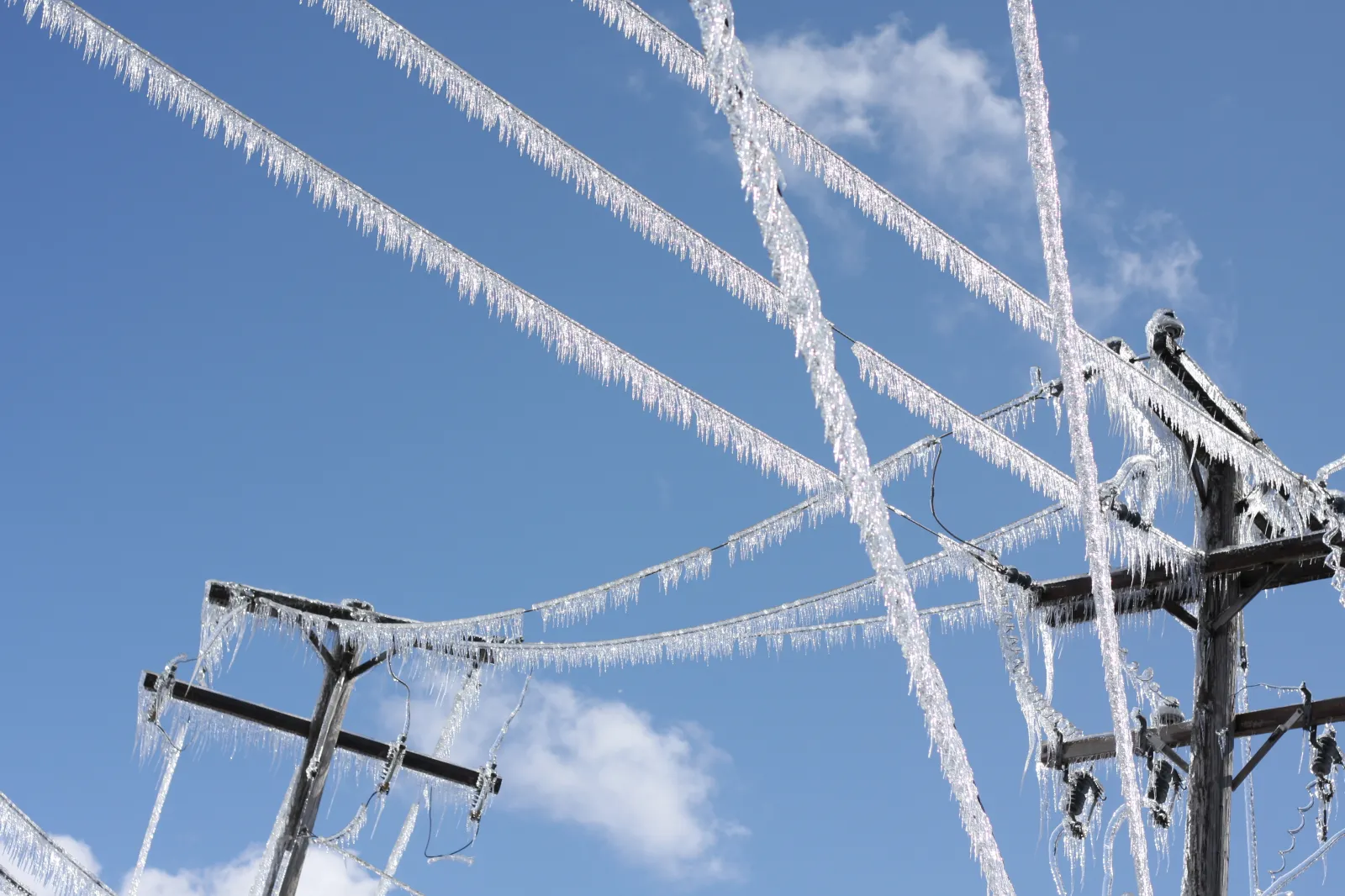
Hundreds of thousands of residents across Mississippi and Tennessee remain without power following a severe winter storm that blanketed the region in ice and plunged temperatures into the teens.
The storm, part of the larger Winter Storm Fern, delivered freezing rain, downed trees and power lines, and left roads impassable just as Arctic air settled over the South.
As of Tuesday morning, more than 400,000 customers in the region were without electricity, according to utility reports and tracking site PowerOutage.us.
Read More on Weather
...
In Tennessee alone, 175,000 people were still in the dark, including nearly 120,000 in Nashville and Davidson County, AccuWeather reported.
Mississippi officials said power restoration could stretch into the weekend, citing broken poles and nearly 1,000 spans of wire down across the western half of the state.
Emergency crews faced delays due to hazardous road conditions, low temperatures and strong winds.
"The scope of the problem is enormous and largely compounded by the ice that still lingers and prevents access," Scott Simmons, Director of External Affairs for the Mississippi Emergency Management Agency, told Newsweek in an email on Wednesday.
"Today, the State had to close portions of I-55 and Highway 22 because of traffic problems caused by vehicles trying to travel on roadways that were supposed to be open primarily for emergency use."
Why It Matters
The ice storm hit southern regions ill-equipped for prolonged winter weather, with officials in both Mississippi and Tennessee reporting extensive damage to power infrastructure.
Tennessee Emergency Management reported that 189 power poles had broken during the storm, and crews are working extended 14- to 16-hour shifts to address the outages.
Arctic conditions following the storm have slowed efforts and kept many roads impassable.
Warming shelters have opened throughout the Southeast, but authorities continue to urge residents to stay off the roads due to continued threats from ice and falling debris.
"The focus on the response effort [in Mississippi] deals with the northwest and northeastern portions of the state," Simmons said. "They are dealing with power outages and road access problems.
"We have procured 90 generators through FEMA that are being shipped to the staging area at Camp McCain near Grenada, MS, for delivery to the impacted areas. Cots, blankets, food and water are also being deployed."
What To Know
The storm, which swept through more than a dozen states, was forecast to bring ice, snow and extreme cold from Texas to the Mid-Atlantic.
Winter storm watches had warned residents of up to three inches of snow in Memphis and dangerous ice across much of Tennessee and Mississippi.
“Expect power outages and tree damage due to the ice,” the National Weather Service in Memphis said in a statement ahead of the storm. “Travel could be impossible."
Storm Fern prompted emergency declarations in at least 18 states and led to at least 29 deaths, including two in Mississippi tied directly to the storm’s impact.
The cold snap has also brought sub-zero temperatures and wind chills across parts of the Plains and Midwest, extending the danger beyond the immediate storm path.
What's Next
Utility companies across Mississippi and Tennessee are continuing repairs, though full restoration may take several more days due to the scale of damage and lingering weather challenges.
"These next several days are crucial as we are getting a few warmer days," Simmons told Newsweek. "It should help resolve some of the ice problems but we are expecting another bitter cold front this weekend."
Nashville Electric Service reported working through the night, while Middle Tennessee Electric said it had fewer than 3,000 customers left to restore by Tuesday.
Meteorologists say frigid temperatures will persist into early February, increasing hardship for those still without heat.
The National Weather Service has warned that further ice formation could continue as daytime melting refreezes overnight, creating additional hazards and delaying full recovery.
To read how Newsweek uses AI as a newsroom tool, click here.
View 0 Comments
Submit Correction
View Editorial & AI Guidelines