...

By Jasmine Laws
Reporter
0
Share
Newsweek is a Trust Project member
See more of our trusted coverage when you search.Prefer Newsweek on Googleto see more of our trusted coverage when you search.
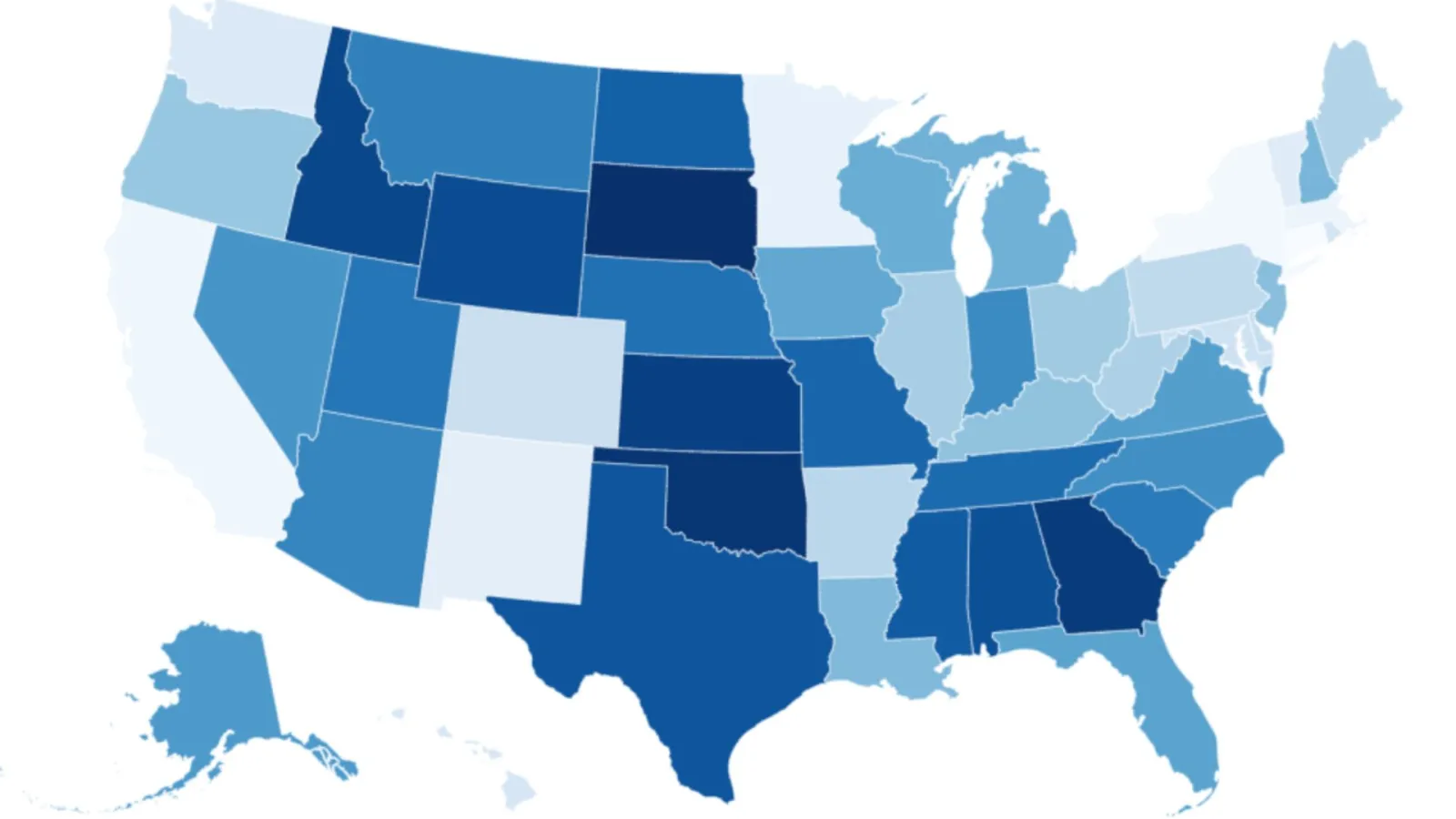
Connecticut has been ranked as the state with the best low-income healthcare, according to the health insurance website healthcareinsider.com.
Not far behind Connecticut was New York and California, with South Dakota placed as the worst state for healthcare for those on low incomes, per the outlet.
Why It Matters
Many Americans face financial challenges due to inflation, wage stagnation, and rising costs of living. Access to affordable healthcare is critical for low-income individuals to prevent medical debt, which is a leading cause of bankruptcy in the U.S.
Read More on News
States differ significantly in Medicaid expansion under the Affordable Care Act (ACA), which impacts healthcare access for low-income residents. Knowing which states offer better coverage helps individuals make informed decisions about where they can live and access necessary care.
What To Know
Connecticut was named the best state for low-income healthcare as it scored the highest across three metrics used by healthcareinsider.com to determine the ranking.
The metrics included cost, looking at things like total Medicaid spending per low-income population and state Medicaid contribution as a percentage; quality of care, looking at things like life expectancy for low-income individuals and quality of the public hospital system; and access to care, covering areas like children's Medicaid eligibility levels and total Medicaid enrollment per capita.
While Connecticut did not score the highest across all three metrics, its cumulative total placed it above any other state, at 76.86 out of 100.
Equally, while South Dakota scored the lowest cumulative total out of all the states, at 26.51 out of 100, none of its individual scores for the metrics were the lowest nationally.
Medicaid can be crucial for those in certain income brackets, children, pregnant women, and those with disabilities.
During former President Joe Biden's term, Medicaid enrollment hit a record high, with almost one in four Americans using the program during the COVID-19 pandemic, according to CBS News.
According to healthcareinsider.com, over 78.5 million were enrolled in publicly-funded health insurance for low-income individuals at the end of 2024.
However, President Donald Trump plans to cut Medicaid funding and implement regulatory changes to shrink the scale of the program, which would include rolling back the ACA's expansion of Medicaid.
The federal rate for Medicaid per state is based on the relative wealth of the population, with poorer states receiving a higher rate and none receiving less than 50 percent, CBS News reported.
Currently, 10 states get the base rate, all of which except for two are Democratic, CBS News reported, but the White House may reportedly look to cut the base rate to 40 percent or less.
Newsweek contacted the White House out of hours via email for comment.
What People Are Saying
Texas Republican Representative Chip Roy, a member of the Budget Committee, said earlier this month: "You need wholesale reform on the healthcare front, which can include undoing a lot of the damage being done by the ACA and Obamacare. Frankly, we could end up providing better service if we do it the right way."
Matt Salo, former executive director and founder of the National Association of Medicaid Directors, told KFF Health: "What we are going to see is an even bigger seismic shift in who Medicaid covers and how it operates.
A lot of powerful entities—state governments, managed-care organizations, long-term care providers, and everyone under the sun who wants to do well by doing good—want to see Medicaid work efficiently and be adequately funded. And they will be highly motivated to push back on something they see as draconian cuts, because it could affect their business model."
Professor Megan B. Cole, co-director of the Boston University Medicaid Policy Lab, told Newsweek: "As Medicaid is often thought as of a state-specific program, federal policies—including Trump's executive level priorities—have significant implications for Medicaid.
"Ultimately, the Trump administration's policy priorities, and Republicans' proposed budget cuts, have far-reaching implications for the Medicaid program, and will affect low-income Americans across the country, while potentially devastating hospitals, health systems, health plans, and other providers."
What Happens Next
Should Trump's cut proposals be acted on, it would see far fewer people able to use the Medicaid program and affect the healthcare that states are able to provide to low-income individuals, potentially altering the ranking shown in the map above.
Update 1/29/25, 03:08 a.m. ET: This article has been updated with comment from Professor Megan B. Cole.
View 0 Comments
Submit Correction
View Editorial & AI Guidelines