...

By Jasmine Laws
Reporter
0
Share
Newsweek is a Trust Project member
See more of our trusted coverage when you search.Prefer Newsweek on Googleto see more of our trusted coverage when you search.
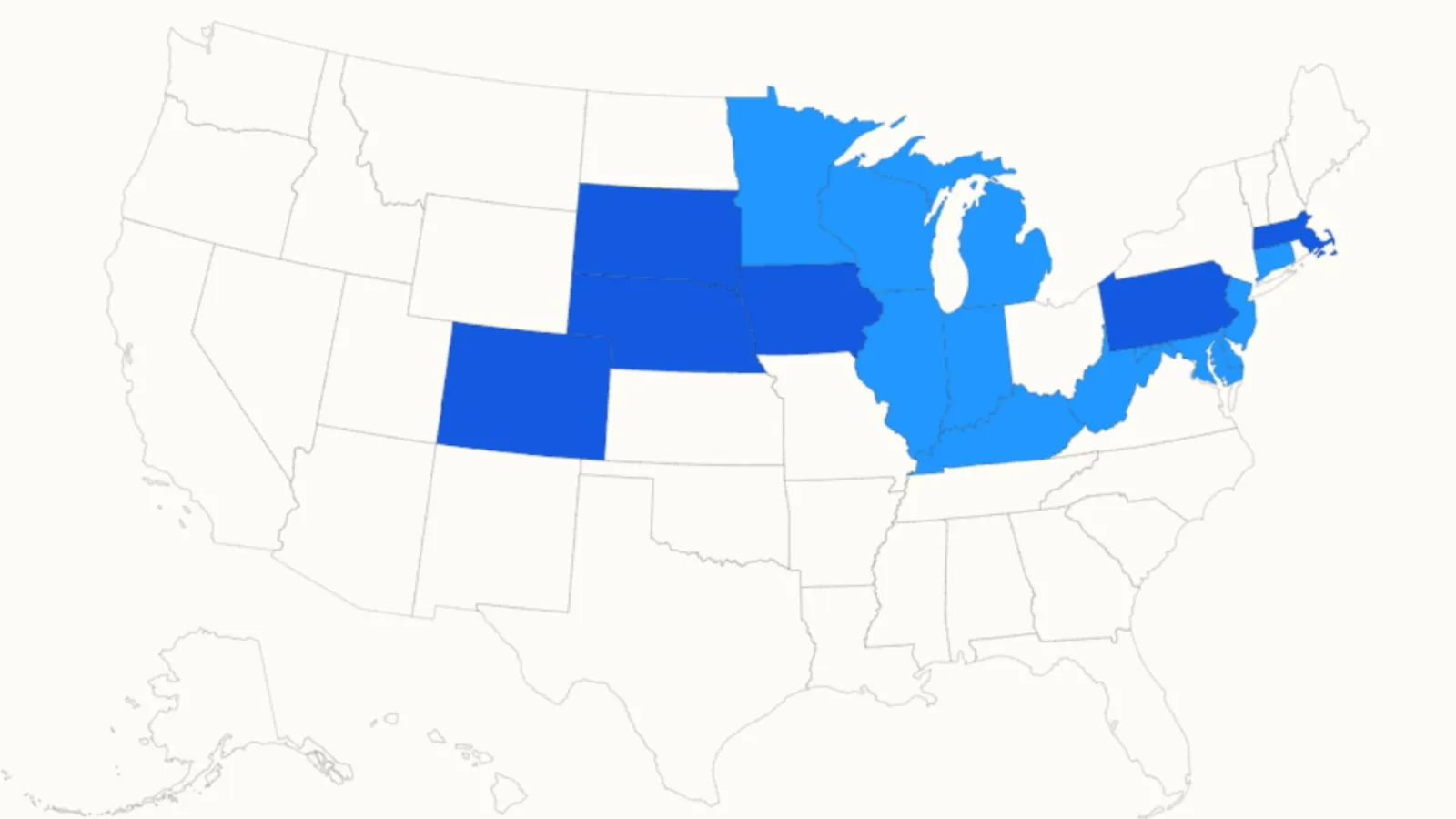
COVID-19 cases are on the rise in 17 states, according to new data released by the Centers for Disease Control and Prevention (CDC).
The states with either "growing" or "likely growing" cases of COVID-19 were situated in the Midwest and Northeast of the country.
The CDC noted in its report though that its current estimates may be impacted by "holiday reporting effects and should be interpreted with greater uncertainty."
Read More on News
Newsweek has contacted the CDC via email for comment outside of regular working hours.
Why It Matters
While COVID-19 is no longer a national public emergency, the virus can still make people unwell and in more severe cases, lead to death.
The CDC previously estimated that between October 1, 2024 to September 20, 2025 there would be between 13.8 million to 20.3 million COVID-19 illnesses, 380,000 to 540,000 hospitalizations and 44,000 to 63,000 deaths.
What To Know
Cases are "growing" in Colorado, Iowa, Massachusetts, Pennsylvania, Nebraska and South Dakota, according to the CDC report, which is based on data obtained up to November 25.
States that have "likely growing" cases of COVID-19 include Connecticut, Delaware, Illinois, Indiana, Kentucky, Maryland, Michigan, Minnesota, New Jersey, West Virginia, and Wisconsin.
A number of these states also had higher rates of positive COVID-19 tests at the start of the year, according to CDC data.
However, while COVID-19 cases are reported as "growing" or "likely growing" in these 17 states, the CDC noted that the weekly percentage of emergency department visits with COVID-19 was "very low," and the virus' epidemic trend was "not changing."
The probability of the COVID-19 epidemic growing is still at around 36 percent, the CDC said.
Between October 21 and November 18, the infection rate of COVID-19 was growing nationwide, according to the CDC's data, but since November 19, it has been declining.
There are 12 states where COVID-19 cases are "likely declining" or "declining," predominantly those in the West and South, and 16 where the number of cases remains unchanged.
The CDC report showed that comparatively cases of influenza are increasing in many more states. 41 states have either "likely growing" or "growing" numbers of influenza cases, and while the weekly percentage of emergency department visits remains "low," the CDC said the influenza epidemic was "growing."
What People Are Saying
Jennifer Nuzzo, director of the Pandemic Center and a professor of epidemiology at Brown University, told Newsweek: "We often see an increase in infections in the fall, so the increase in the Midwest and Northeast is not surprising. In the wastewater data, we see that the increases are low compared to what we saw this past summer and in previous winter months. Based on this, I would expect to see more increases in other regions this fall, but likely not as bad as earlier fall increases."
What Happens Next
To protect themselves from COVID-19, the CDC recommends Americans practice good hygiene—such as frequent hand washing—and take steps to breathe cleaner air or to wear masks in public places to avoid transmission.
While it previously advised all Americans stay up to date on COVID-19 vaccines, the CDC has dropped that blanket recommendation and now says that vaccination should be decided on "individual-based decision-making."
The move reflects the views of the Trump's administration's Health Secretary, Robert F. Kennedy Jr, a known skeptic of the COVID-19 and other vaccines.
The COVID-19 vaccine has also come into the spotlight on a number of occasions this year, most recently with the Food and Drug Administration (FDA) releasing a memo saying that the vaccine contributed to 10 children's deaths.
Update 12/02/25, 11:05 a.m. ET: This article has been updated with comment from Jennifer Nuzzo.
View 0 Comments
Submit Correction
View Editorial & AI Guidelines