10
Loading video...

By Dan Gooding
Associate News Editor
0
Share
Newsweek is a Trust Project member
See more of our trusted coverage when you search.Prefer Newsweek on Googleto see more of our trusted coverage when you search.
The Trump administration celebrated its latest court victory related to Temporary Protected Status (TPS) on Tuesday, as a district judge overturned his order preventing the Department of Homeland Security (DHS) from ending protections for those from Ethiopia.
Judge Brian Murphy's decision means that 13 countries that were covered by TPS, which grants temporary legal status and work authorization, have lost those protections during President Donald Trump's second term. While some countries saw their status terminated last year, others were affected by the U.S. Supreme Court's June decision in favor of the DHS' position.
A smaller number of countries still have TPS, with all facing renewal decisions later this year.
Read More on Politics
“Every day, DHS is conducting law enforcement activities across the country to keep Americans safe. DHS does not discuss ongoing or future operations," a DHS spokesperson told Newsweek in response to questions about next steps for those affected by the rulings.
“Temporary Protected Status is exactly that—temporary. For too long, TPS has been allowed to function as a de facto amnesty program despite Congress never intending it to be permanent."

...
What Judge Said
Murphy said that while Ethiopian TPS holders had raised significant legal concerns, recent Supreme Court rulings meant many of their arguments could no longer move forward. As a result, he declined to keep the protections in place while the case continued.
He did, however, allow one key claim to survive. Murphy said the plaintiffs could continue pursuing allegations that the administration's decision may have been influenced by racial or national-origin bias, even as he dismissed several other legal challenges.
In his ruling, Murphy pointed to another federal court's conclusion that it would be too early to throw out claims alleging discriminatory motives, allowing the challengers an opportunity to seek evidence through the discovery process.
"This is extremely disappointing. The crisis in Ethiopia is still ongoing, and the facts support this," Diana Konaté, deputy executive director of policy and advocacy at African Communities Together, which led the complaint, told Newsweek in a statement. "The armed conflict in Ethiopia has escalated, with approximately 3.3 million people internally displaced and more than 50,000 Ethiopians fleeing the country in the first quarter of 2026 alone.
"We believe the terminations and hyperfocus on TPS are not rooted in data or deep analysis, but rather, aim to continue scapegoating Black and Brown immigrants, increase enforcement and surveillance in our most vulnerable communities, and extract the richness that immigrants bring to our nation."
Related Story
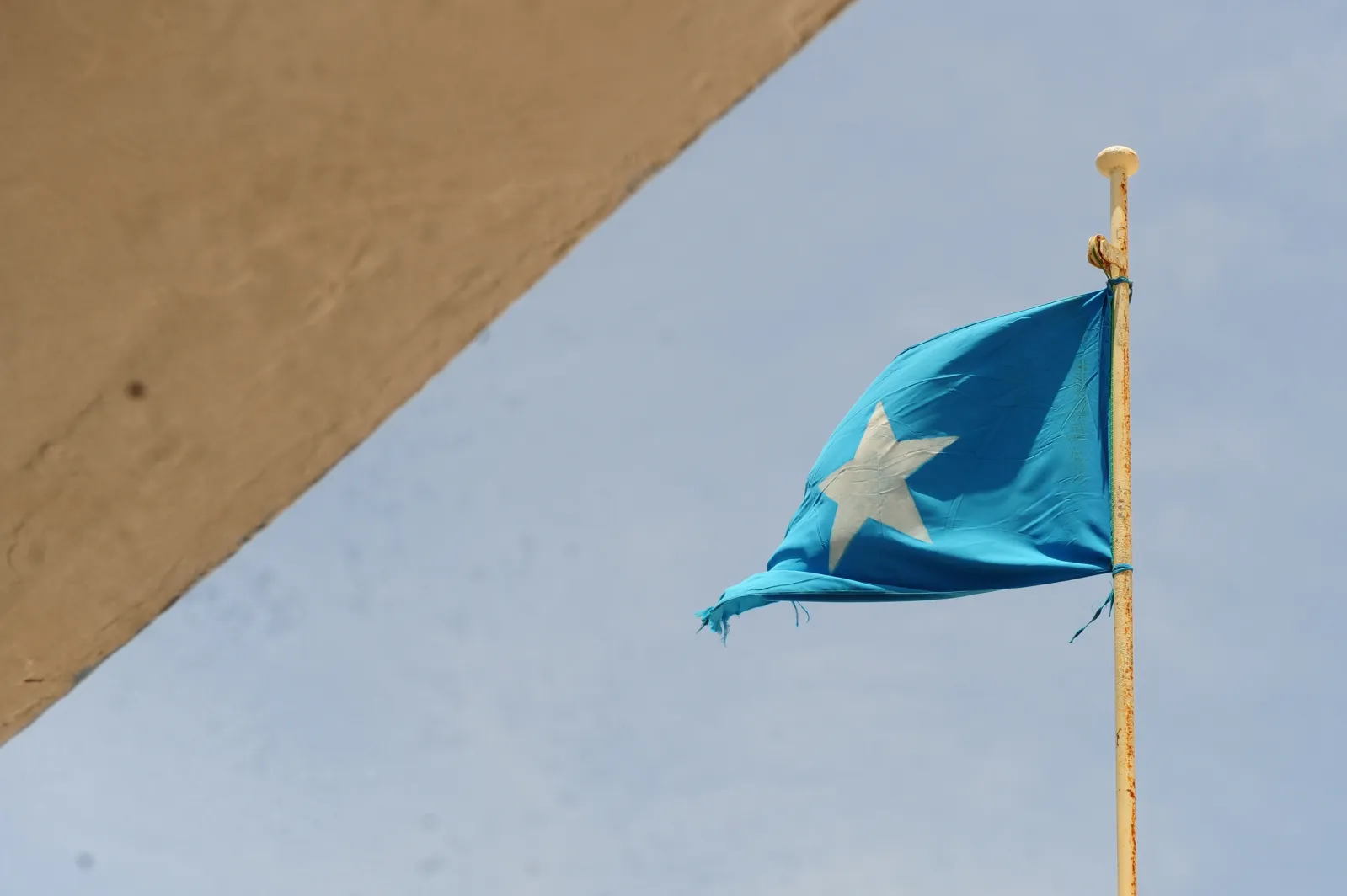
Obama-Appointed Judge Lets Trump Strip TPS From Somalis—‘Life Altering’
Trump's Broader TPS Effort
TPS allows nationals from countries affected by war, natural disasters or other extraordinary circumstances to live and work legally in the U.S. for limited periods without fear of deportation.
When Trump returned to office in January 2025, 17 countries held TPS designations. Since then, his administration has moved to terminate protections for 13 of them, affecting roughly 1 million of the roughly 1.3 million TPS recipients who held the status at the start of his second term.
Administration officials, including former Homeland Security Secretary Kristi Noem, have argued that many TPS designations had been repeatedly extended for years or even decades and that conditions in the affected countries had improved enough to allow migrants to return home.
The administration has consistently maintained that TPS was intended to be temporary and should not become a de facto permanent immigration program.
Immigration advocates have strongly disputed that assessment, arguing that many of the countries remain plagued by political instability, conflict, economic collapse or humanitarian crises. Multiple lawsuits have challenged the terminations, but the Supreme Court's June 2026 decision allowing the administration to proceed with TPS revocations for countries including Haiti and Syria strengthened the government's position.
Which Countries Still Have TPS?
The administration's actions have left only a handful of TPS designations intact.
Countries that still have TPS protections include Ukraine, Sudan, Lebanon and El Salvador. Unlike the countries targeted so far, those designations have not yet been formally terminated by the administration.
Lebanon's status was extended earlier this year because of the ongoing conflict in the Middle East, making it the only country to see its status officially extended by the Trump administration.
However, immigration attorneys and advocacy groups have warned that those protections could face renewed scrutiny as future renewal deadlines approach. The administration has repeatedly argued that it has broad authority to decide whether countries continue to qualify for TPS and has generally prevailed in recent litigation.
What Happens Next
For migrants who lose TPS, the consequences vary depending on their individual immigration circumstances.
Some TPS recipients may have other protections available to them, including pending asylum cases, family-based immigration petitions, employment-based applications or other forms of humanitarian relief. Others may seek to adjust status through marriage to U.S. citizens or other eligibility pathways.
But for many longtime TPS holders, the loss of the designation means losing work authorization and protection from removal, potentially exposing them to deportation proceedings if they do not qualify for another legal status.
“What we would say now is it's closing time, which means you don’t have to go home, but you can’t stay here. The good news is it’s not too late to get a $2,600 check and a free flight home," the DHS spokesperson said Tuesday.
Advocates have argued that many affected migrants have lived in the United States for years, built families and established careers, making a return to their home countries difficult or dangerous.
Even after Tuesday's ruling, the legal fight is not over. Murphy allowed the plaintiffs' Equal Protection claim to move forward, meaning challengers can continue trying to prove that discriminatory motives played a role in TPS terminations. But his ruling reinforces how difficult it has become to stop the administration's broader effort after a series of favorable Supreme Court decisions.
Contact Newsweek editors on this story: Gabe Whisnant and Dave Siminoff.
View 0 Comments
Submit Correction
View Editorial & AI Guidelines