
By Robyn White
Nature Reporter
0
Share
Newsweek is a Trust Project member
See more of our trusted coverage when you search.Prefer Newsweek on Googleto see more of our trusted coverage when you search.
A man who had been "showing off" by wrapping a deadly snake around his neck has died after the reptile bit him.
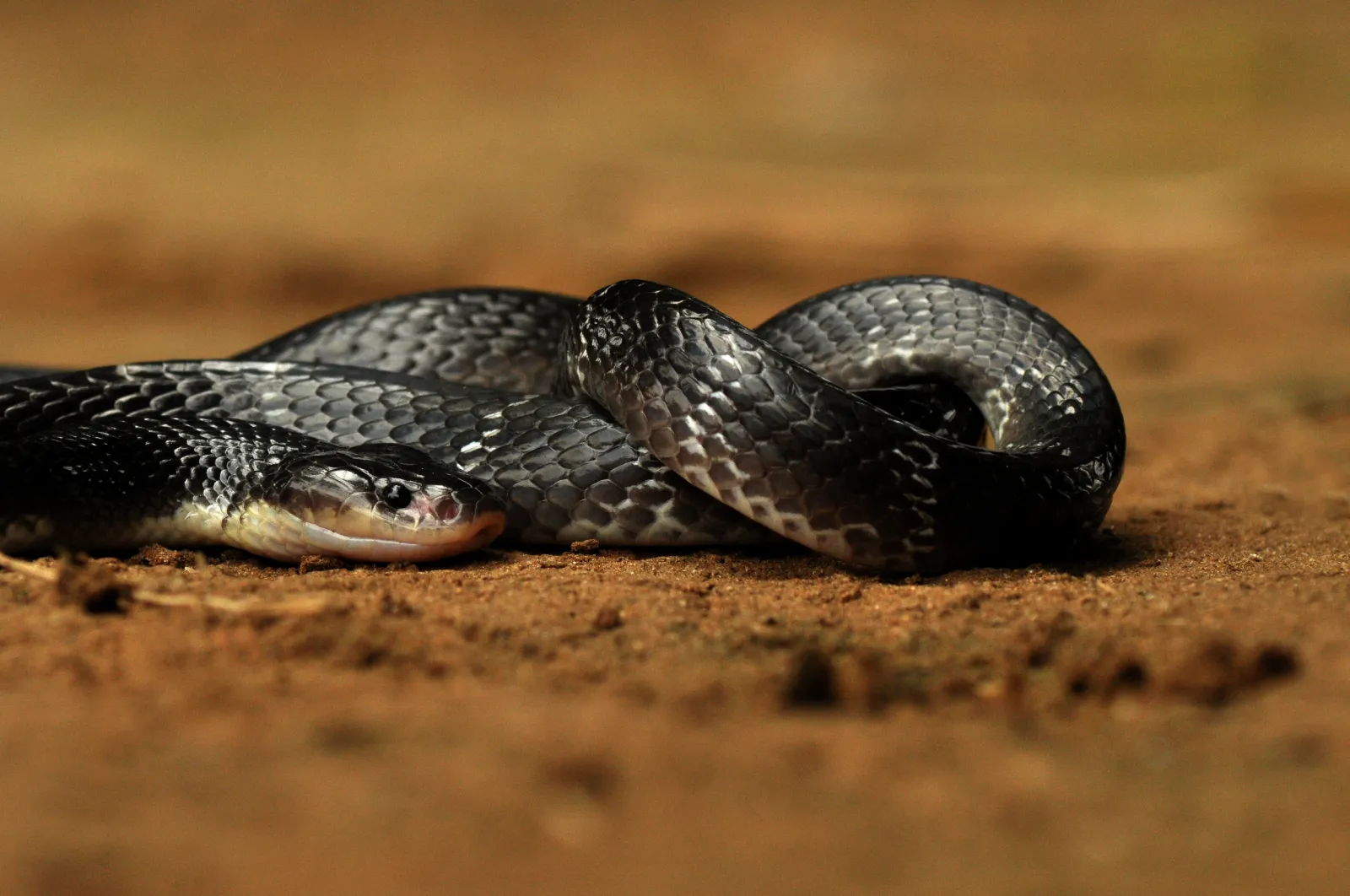
The 50-year-old farmer, Devendra Mishra, had caught the highly venomous common krait snake slithering around a neighbor's house, in Maruajhala village in the Uttar Pradesh district of India, The Times of India reported.
The common krait is a highly venomous species of snake native to India. It has lethal venom which causes muscular paralysis, difficulty breathing and suffocation.
Read More
Burmese Python Bite Would ‘Tear the Skin Wide Open,’ Florida Hunter Says6 min read

Giant Venomous Snake Titan Is One of Biggest in Australia3 min read

Girl, 5, Dies From Snake Bite at Property Where 40 Serpents Were Being Kept3 min read

Mishra was well-known for catching snakes in the village, The Times of India reported. After catching the common krait on August 19, a witness told the newspaper that he had "started showing off and went around the village with the snake wrapped around his neck."
...
The snake catcher filmed himself with the deadly reptile around his neck and even stopped to wrap it around the neck of a 5-year-old girl, according to The Times of India.
The snake bit the farmer an hour after he caught it. Mishra attempted to alleviate the venom with natural herbs, however, he died on the night of August 20.
The farmer had caught around 200 snakes in the village, The Times of India reported.
Common kraits, along with the Indian cobra, russell's viper and saw scaled viper, are responsible for around 90 percent of snake bites in India, according to the World Health Organization (WHO). Snakes will only usually attack if provoked or threatened in some way.
Kraits are shy and elusive and usually only active at night. The majority of common krait bites occur at night, when a victim is sleeping. A bite will sometimes be painless, meaning a victim may not notice what has happened until it is too late.
According to a 2022 study, a very high dose of antivenom is required to treat a common krait bite. However with the right treatment, victims can survive.
A high portion of deaths occur in rural areas where people do not have access to immediate medical treatment.
According to the WHO, about 5 million snakebites occur in India each year, and these are responsible for between 81,000 and 138,000 deaths.
Out of the 5 million snake bites, 2.7 million people receive envenoming treatment. However, antivenom treatment can cause complications—according to the WHO, antivenom is responsible for 400,000 amputations and disabilities every year. Amputations are sometimes necessary to prevent infection caused by snake venom.
Newsweek has contacted the Maruajhala police department for comment.
View 0 Comments
Submit Correction
View Editorial & AI Guidelines