...

By Rachael O'Connor
Reporter
0
Share
Newsweek is a Trust Project member
See more of our trusted coverage when you search.Prefer Newsweek on Googleto see more of our trusted coverage when you search.
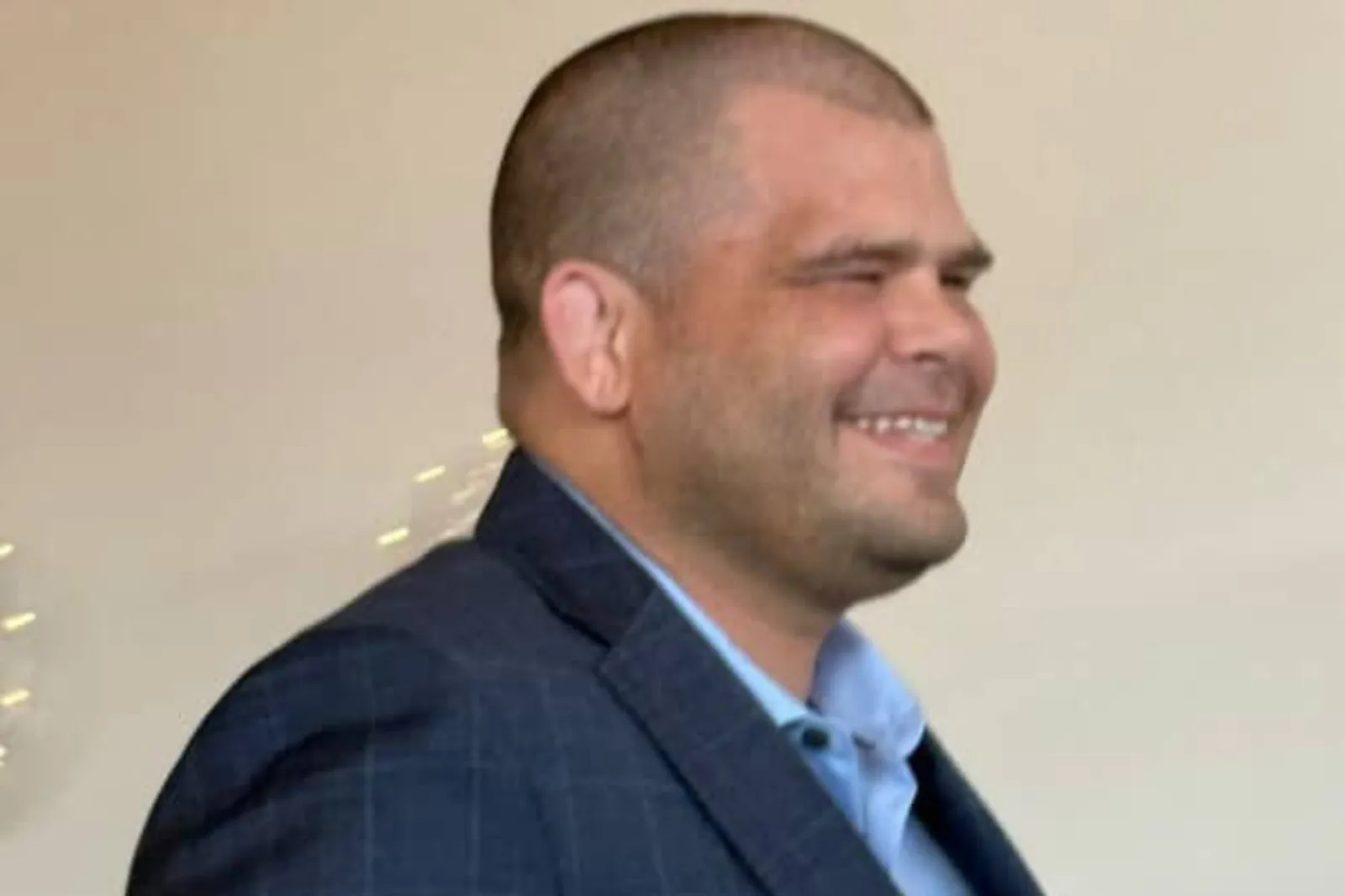
A man who wanted to learn more about his ancestors quickly regretted the decision, and recently got a reminder of how it all started.
Jake lives in North Carolina, where he was raised in a conservative, Christian household, went to a Christian school, and told Newsweek he grew up "enthralled with the idea of the South having this noble history. I believed that slavery was a minor part of the Civil War."
On December 15, on his Threads account @trianglejake, Jake shared a screengrab of a Facebook post he made on that date in 2008, which read: "Is proud of his Southern heritage, but wants to learn more about it."
Read More on Politics
On his new post, Jake wrote: "Update: I learned more, and I'm no longer proud."
Jake told Newsweek he moved to a rural part of North Carolina as a young adult, and went on a "quest" to find proof that "the South were the good guys in 'the war of Northern Aggression.'"
"The problem was that the data didn’t support my desired conclusion," he said. "Every time I looked for evidence that the South was a noble place, I was met with facts saying the opposite."
As Jake met more people from all walks of life, and found himself "grasping at straws" when debating his views. Social media, too, "went a long way towards changing my political beliefs."
"Being exposed to different people and ideas helped me to see the world as a bigger place," he said. "Conservative isolationism gradually gave way to a wider world view. And as my political beliefs changed, it became impossible to feel fondly about the South."
Jake's post had a big reaction on Threads, where it racked up more than 14,000 likes as others shared their own stories.
One wrote: "I also learned more about my Southern heritage. I am also no longer proud."
Another said: "I love that 17 years ago, you wanted to learn more about something that was important to you. I love even more that you let what you learned change your viewpoint. That’s hard to do. Good job, internet stranger. I don’t know if you should be proud of your Southern heritage or not, I just know you should be proud of yourself."
Others highlighted the positives to have come out of the South's history, like New Orleans jazz and bluegrass, as well as the delights of Southern cuisine (including taco trucks).
And as one person put it: "I despise the history of slavery, the Confederacy, and Jim Crow laws. I hate the KKK. I love that I was raised to say sir and ma’am. I love Cajun food and all the spices. Baked macaroni and cheese. Slinging shrimp nets off the pier. It’s up to younger people to define what the South becomes."
...
Jake, who still lives in North Carolina, told Newsweek: "I keep posts like that on my Facebook because every year they pop up and remind me of the things I used to believe.
"The posts make me cringe. They are embarrassing. But they also remind me that people have the capacity to change and to grow."
As he put it: "Me sharing that post was an acknowledgment of where I came from and an example of how we all change and grow over time."
In 2017, a survey from Reuters and Ipsos, which polled more than 2,000 U.S. adults, found that 54 percent of people believed Confederate monuments should remain in public spaces, amid debate on removing them.
Some 27 percent believed they should be removed from public spaces, while 19 percent weren't sure. Democrats and minorities were more likely to support removal; the survey polled 874 Democrats and 763 Republicans.
In 2020, Virginia had the most Confederate symbols, followed by Texas, Georgia and South Carolina. However, a total of 29 states, plus Washington, D.C., have Confederate statues or symbols, according to Statista.
Do you have life stories you want to share? Send them to life@newsweek.comwith some extra details, and they could appear on our website.
View 0 Comments
Submit Correction
View Editorial & AI Guidelines