...

By Suzanne Blake
Reporter
0
Share
Newsweek is a Trust Project member
See more of our trusted coverage when you search.Prefer Newsweek on Googleto see more of our trusted coverage when you search.
A major overhaul of federal student loan limits approved under President Donald Trump’s One Big Beautiful Bill Act could be reversed as Democratic lawmakers in both chambers of Congress have filed a joint resolution.
The resolution looks to overturn the Department of Education’s final student loan regulations implementing OBBBA, which capped how much graduate students and parents can borrow and eliminated several existing repayment plans.
Why It Matters
Federal student loans are a primary way millions of Americans finance higher education. Undoing the OBBBA rule would preserve existing borrowing limits and repayment plans, while allowing it to stand would completely reshape how much students can borrow and how they repay their debt.
Read More on Education
...
What to Know
The Education Department’s final rule, published in early May, makes sweeping changes to the federal student loan system beginning July 1, 2026.
The rule brings along a spree of updates to the federal student loan system, including:
- Capping federal borrowing for graduate and professional students
- Limiting Parent PLUS loans
- Phasing out the SAVE repayment plan
- Replacing existing income‑driven repayment options with new plans mandated by OBBBA
While the Trump administration has framed the changes as a way to rein in runaway borrowing, critics feel they restrict access to higher education.
“Their argument is that this would make repayment more expensive for some borrowers and push more students, especially in graduate and professional programs, toward private loans or potentially out of higher education entirely,” Alex Beene, a financial literacy instructor for the University of Tennessee at Martin, told Newsweek.
“And while it's doubtful we'll see any alterations to these new rules in near term, some could be reconsidered down the line if they prove to provide too much of a financial strain on many borrowers.”
What Democrats Are Trying to Undo
Democrats are using the Congressional Review Act (CRA) to try to nullify the rule before it takes effect.
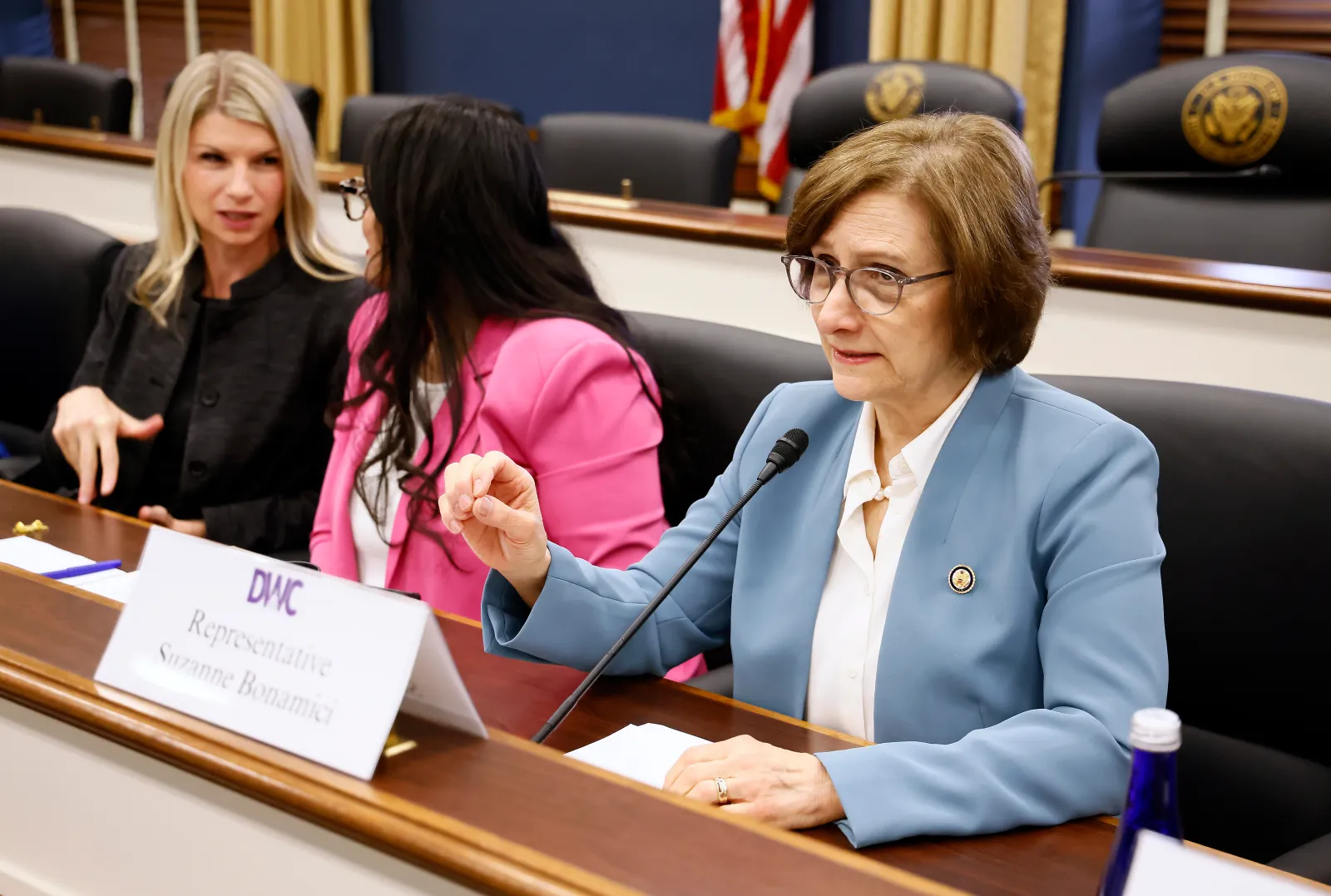
Their resolution, which was introduced by Representative Suzanne Bonamici of Oregon and backed by Democrats in the House and Senate, would block the Education Department from enforcing the final rule and restore prior federal loan limits.
Repayment options eliminated under the new regulations would also be preserved, including the popular SAVE plan, which brought many borrowers’ monthly payments down to zero.
“The Department of Education is moving toward eliminating the SAVE plan and transitioning borrowers into newer repayment structures under the current administration. The goal is simple: reduce forgiveness exposure and increase repayment collections,” Kevin Thompson, the CEO of 9i Capital Group and the host of the 9innings podcast, told Newsweek.
“Democrats are trying to block those changes because SAVE lowered payments and expanded relief options for borrowers, especially those in public service roles like nurses, teachers and firefighters.”
Why Loan Caps Are at the Center of the Fight
Under the final rule, borrowing limits vary based on how programs are classified.
According to the Education Department, some graduate programs would face lower annual and lifetime borrowing caps and only a narrow set of fields qualify for higher “professional student” loan limits.
Other graduate students may need to turn to private loans to cover costs.
Democrats have warned that students pursuing careers in education, healthcare and public service could be disproportionately affected.
“The resolution forces Republicans to take a recorded vote defending loan caps that will directly affect nursing students, occupational therapists, social workers and physical therapists,” Michael Ryan, a finance expert and the founder of MichaelRyanMoney.com, told Newsweek. “They were explicitly excluded from the higher professional program limits.”
What Are Democrats and Republicans Arguing?
When it comes to the new OBBA student loan rules, Democrats’ concerns include:
- Reduced access to higher education
- Increased reliance on private lenders
- Loss of affordable income‑driven repayment options
Republicans and Trump administration officials argue:
- Unlimited borrowing fueled rising tuition
- Caps encourage schools to control costs
- Simplified repayment plans reduce complexity
“Ultimately, it's difficult to say if these changes will lead to a significant change in the enrollment trends for students or in repayment strategies until data over the next year confirms or denies current predictions,” Beene said.
What Happens Next
The Democrats’ CRA resolution faces an uphill battle. It requires a simple majority in both the House and Senate. The president would need to sign it, or Congress would need to override a veto, which experts say is unlikely.
“I don’t think this issue is going away anytime soon. The administration will likely continue battling this through the courts, leaving borrowers stuck in limbo while repayment systems continue changing,” Thompson said. “I do believe higher payments will eventually lead to more defaults and wage garnishments, while forgiveness becomes more targeted toward programs tied to military or public service participation.”
If the resolution fails, the new borrowing caps and repayment changes will take effect as scheduled in July.
View 0 Comments
Submit Correction
View Editorial & AI Guidelines