...

By Daniella Gray
Reporter
0
Share
Newsweek is a Trust Project member
See more of our trusted coverage when you search.Prefer Newsweek on Googleto see more of our trusted coverage when you search.
By Trina Moore, as told to Newsweek
My daughter died in April 2026.
The police came to our house in Minneapolis and told us that Jada had been hit by a car in Austin.
Read More on My Turn
She died unexpectedly, far away from me, and, in that moment, everything collapsed. My chest tightened. I couldn’t breathe. I have now lost two children.
...
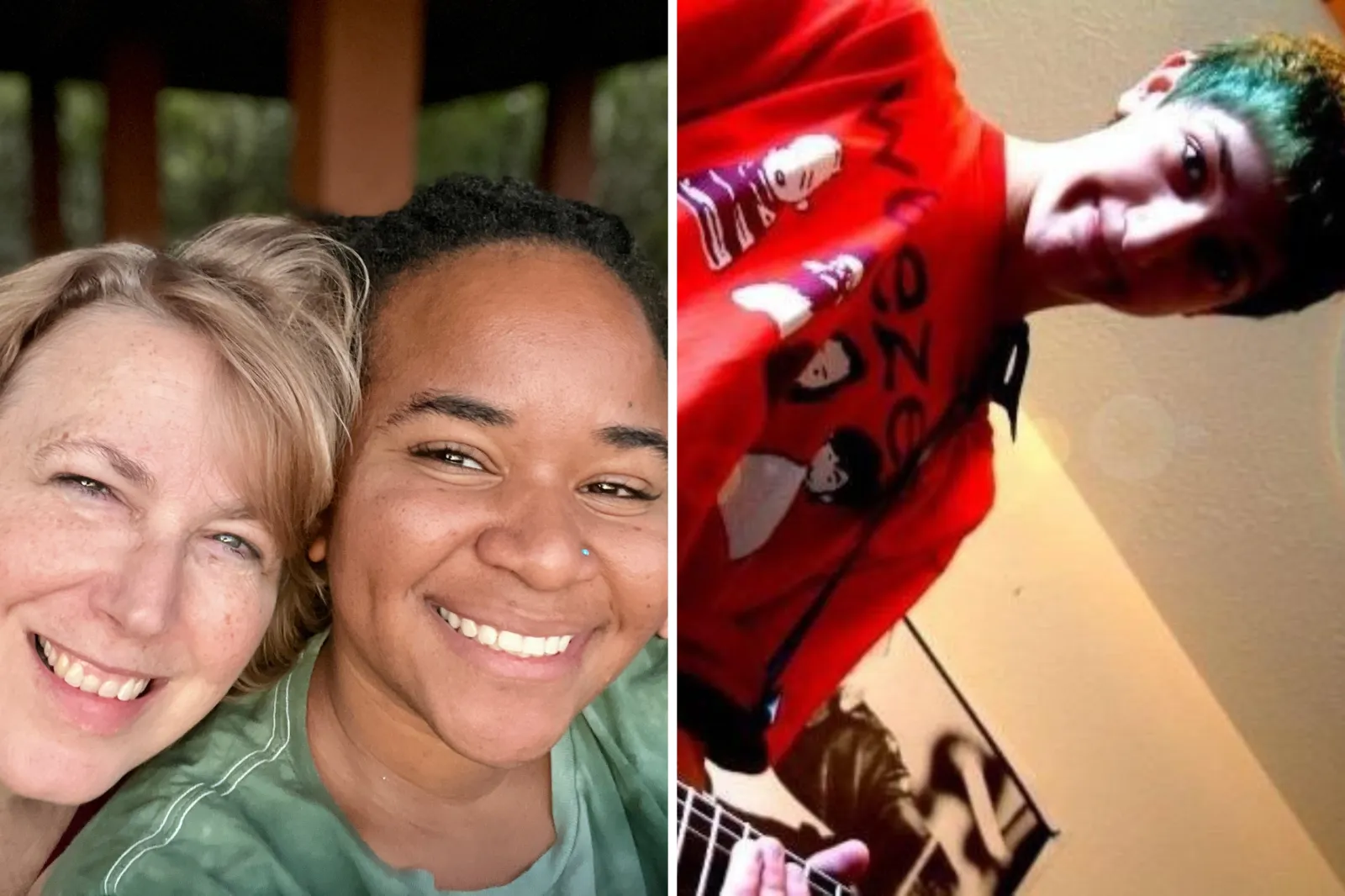
My daughter Jada was 30. My son Zack was 13 when he died in 2004. They were my sun and my star.
Jada came into my life when she was 8 years old, through foster care. The first time I met her was at a foster family’s home filled with kids. The foster mom called out, "Jada, come on out."
After a moment, a small hand popped up from behind the couch and gave a shy little wave. When she came out from behind the couch, I knew I loved her immediately.
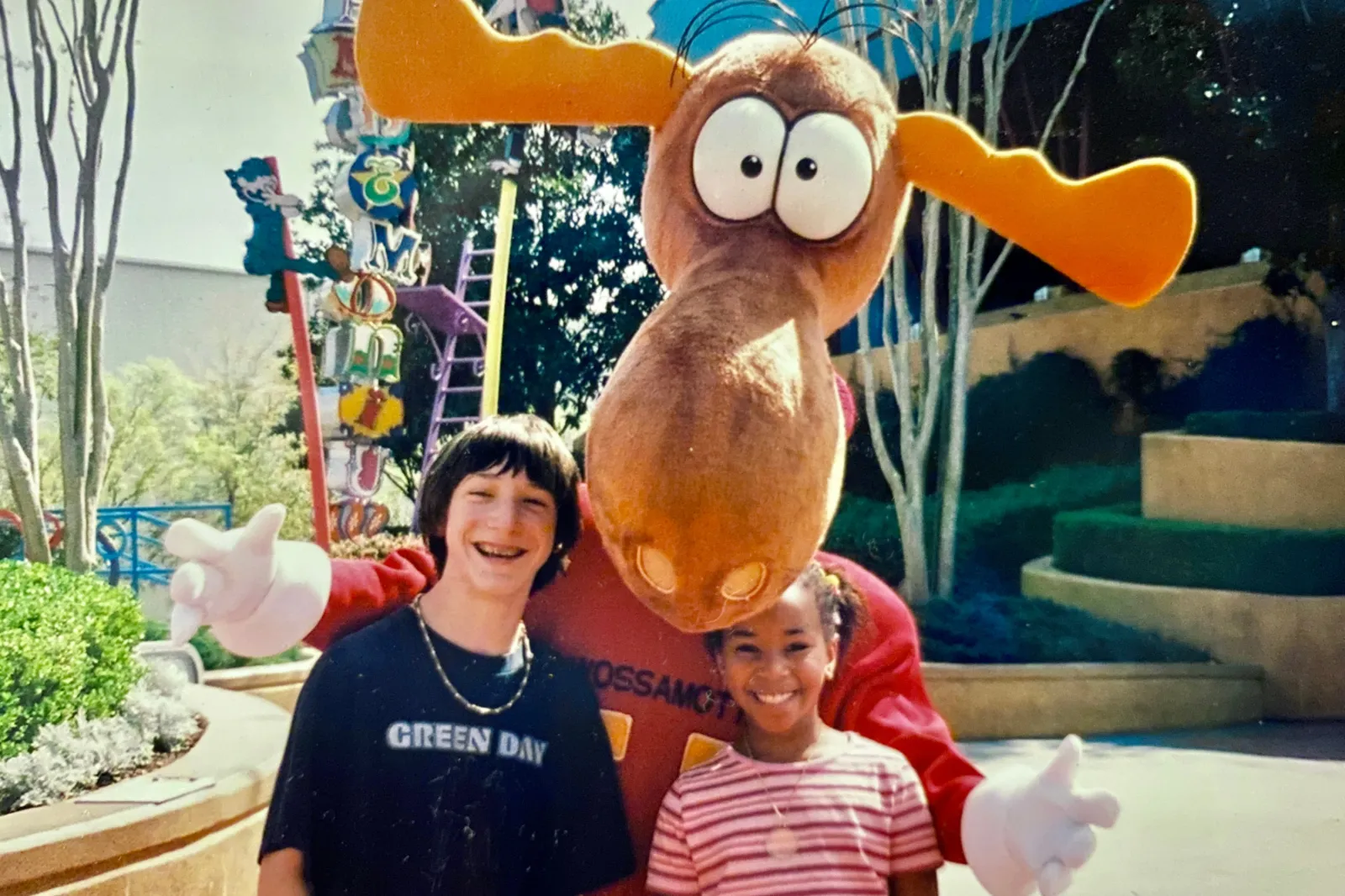
We fostered with the intention of adopting her, and my partner, Scott Hensley, and I did. She joined our family just a few years before Zack died, which meant that, very early on, she experienced another deep loss.
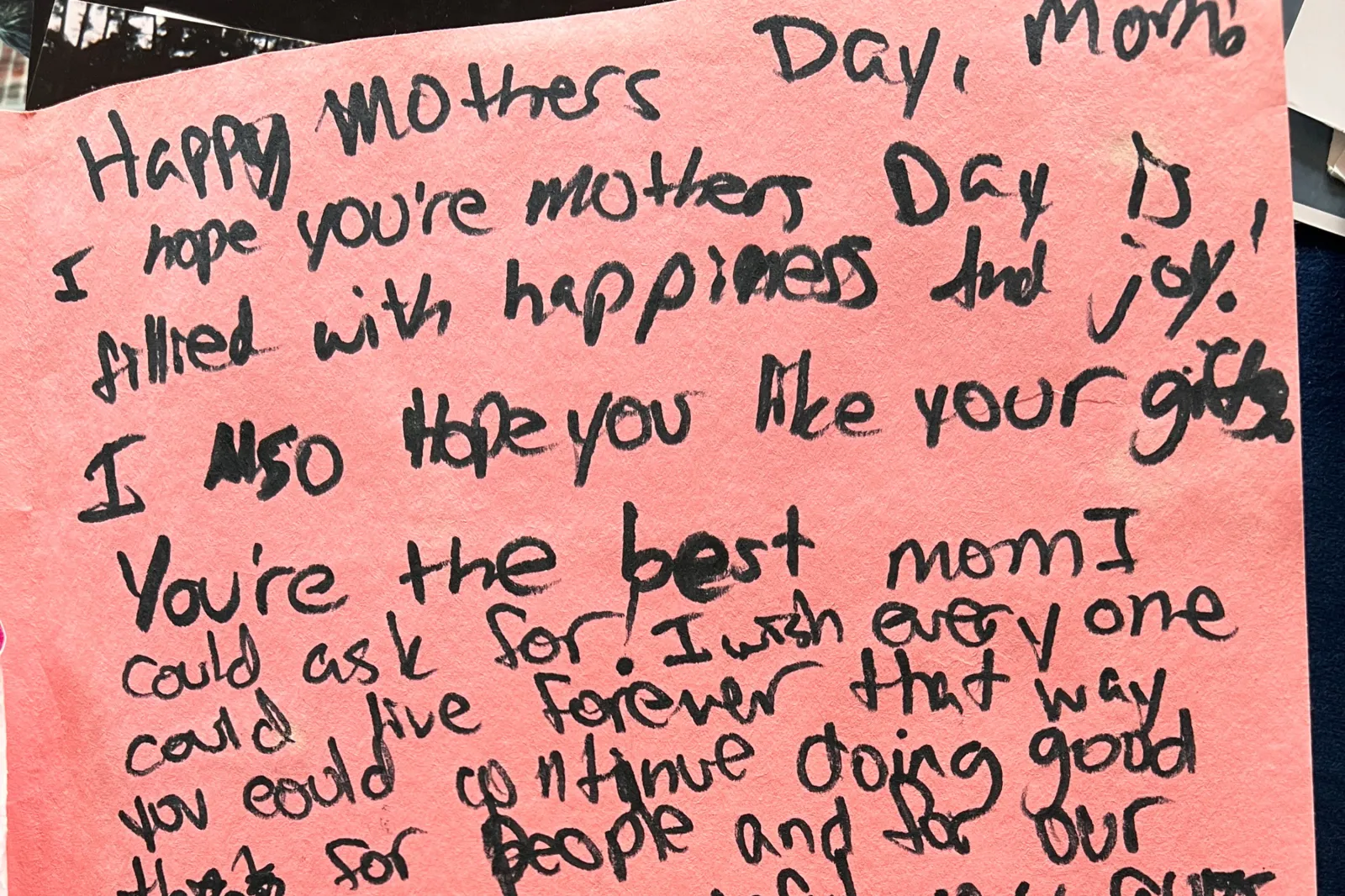
Despite that, Jada remained someone who moved through the world with optimism. She had an infectious laugh and a gift for levity—anytime a moment felt heavy, she could cut through it with a joke.
Jada had real battles later in life, including mental-health struggles, but they never stopped her from dreaming, from believing she could do something meaningful. She loved being outdoors, hiking and canoeing. Anyone who met her remembered her.
...
Zack was my first child. For the first seven years of his life, it was just the two of us; I was a single mom then. He had cerebral palsy, but he walked, played and refused to let it define him.
Doctors told me he might never have fine motor skills, but, at 8 years old, he picked up a guitar and learned to play. In fifth grade, he was class president. He was funny, easygoing, charismatic, and, in many ways, my best friend.
Zack died after a motorcycle accident. He had an asthma attack and then slipped into a coma. He died in the hospital in my arms. For months afterwards, that was the only image I could see when I thought about him: the weight of his body going cold against mine.
With Jada, the ending was different. I had seen her just days earlier. We had brunch, hugged and made plans. She was supposed to travel with me the following week. I thought we had time. It’s a different kind of grief, but it is still my child.
Losing Jada has reopened everything I felt when Zack died. I’m not only grieving her, but the life I imagined for both of them, and for myself. You don’t just grieve your children; you grieve the future you thought you were all going to have together.
Right now, getting through the day is about structure and permission. Mornings are better. Scott—Jada’s stepdad—and I start the day with gratitude cards, something to center ourselves before the weight of logistics sets in.
There is an overwhelming amount of paperwork when an adult child dies without heirs. I focus on completing tasks in the morning, and then, in the afternoons, I allow myself to collapse if I need to. Some days, it feels like weights are attached to every part of my body.
We are now trying to raise $4,000 to help cover unexpected funeral expenses, including cremation, travel to Texas and the cost of a memorial.
After Zack died, I found support through The Compassionate Friends, an organization for grieving parents. It helped to sit in a room where no one expected me to move on or be OK. But I also saw what it looked like when grief turned into a permanent shutdown.
I made a conscious choice then—and I will again—not to numb myself completely or disappear from life. Zack lived with joy, and I fought to honor that by continuing to live. With Jada, I’m not rushing toward joy yet, but I know I don’t want to stop living.
I shared my grief on Threads (@mofo_foto), not expecting anything. The response stunned me—tens of thousands of messages from strangers, many from parents who had also lost children. At night, when the house is quiet, reading those messages has become part of my grieving.
...
What helps most, though, is being allowed to talk about my children—to say their names, to tell stories, to remember who they were, beyond how they died: friends who show up without asking what I need; who bring food because I forget to eat; who sit with me when the rage or sorrow spills out.
If another parent who has lost a child reads this, I want them to know there is no timeline. There is no "getting over it." You don’t owe anyone neatness or strength. You are allowed to grieve messy, loudly, imperfectly. Forgiving yourself—for all the what‑ifs and imagined alternate paths—is part of healing.
My children’s lives were far too short, but they were filled with real joy. I want to allow myself joy again, too. In my mind, that is how I honor them. That is how I keep going.
Kathrina E. Moore, who lives in Minneapolis, Minnesota, is a retired high-school teacher and now works as a Teacher Ambassador for PBS Student Reporting Labs.
All views expressed in this article are the author's own.
Do you have a personal essay you want to share with Newsweek? Send your story to MyTurn@newsweek.com.
View 0 Comments
Submit Correction
View Editorial & AI Guidelines