...

By Pandora Dewan
Senior Science Reporter
0
Share
Newsweek is a Trust Project member
See more of our trusted coverage when you search.Prefer Newsweek on Googleto see more of our trusted coverage when you search.
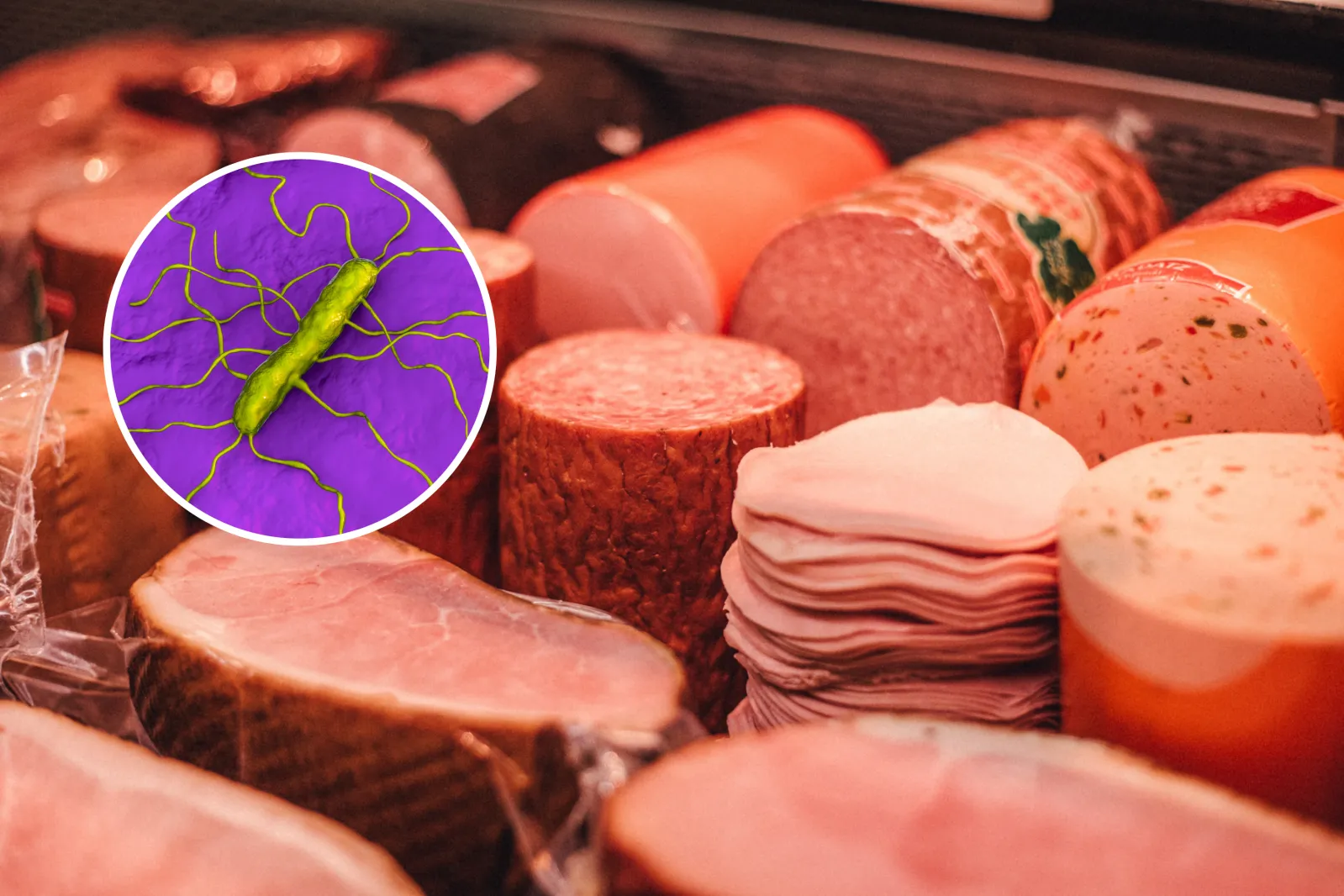
U.S. health officials have issued a public health warning amid a fatal outbreak of listeria food poisoning that has been linked to sliced deli meats. Two people have died and 28 hospitalized across 12 different states. But what are the symptoms of listeria food poisoning and how can you protect yourself?
Listeria are a group of foodborne bacteria that can cause an infection called listeriosis. While the infection is usually mild, newborns, pregnant people, adults over 65 and those with weakened immune systems are vulnerable to more serious infections. Indeed, according to the U.S. Centers for Disease Control and Prevention (CDC), listeria is the third leading cause of death from foodborne illness in the United States.
...
Read More on Health
Signs and symptoms vary depending on the person and the site of the infection. In most cases, the bacteria stay within the gut and cause the stereotypical symptoms of food poisoning, such as diarrhea and vomiting. Usually, these start within 24 hours of eating contaminated food and last for one to three days.
More From Newsweek Vault: What Is a Health Savings Account?
However, in some cases, the bacteria can spread beyond the gut and affect other parts of the body. Symptoms of this so-called invasive listeriosis can be more severe and usually start within two weeks of eating the contaminated food.
Symptoms include:
- Fever
- Flu-like symptoms, such as muscle aches and fatigue
- Headache
- Stiff neck
- Confusion
- Loss of balance
- Seizures.
The CDC says that roughly 1 in 6 nonpregnant people with invasive listeriosis die. Symptoms in pregnant people are usually mild, but the infection leads to a significant risk of miscarriage, stillbirth, premature delivery or life-threatening infection of the newborn child.
More From Newsweek Vault: Compare the Top Health Savings Account (HSA) Providers
The CDC is investigating the current outbreak, which has been linked to eating cold sliced meats from deli counters. However, no mandated food recalls have been issued because it remains unclear which specific products have been contaminated.
In separate investigations, the Food and Drug Administration has reported voluntary recalls of salad cucumbers and packaged walnuts due to potential contamination with Listeria monocytogenes. Other foods that may be at a greater risk of listeria contamination are unpasteurized soft and sliced cheeses, unheated deli meats and meat spreads, premade salads, raw milk, and precut melon.
If you think you have consumed food that may have been contaminated with listeria, the CDC recommends calling your health provider. Listeria outbreaks are not uncommon, but it is important to keep an eye on your symptoms.
The CDC has issued the following advice for those who are most vulnerable to listeria infection:
- Do not eat cold sliced deli meats unless you have reheated them to 165 degrees Fahrenheit.
- Clean your refrigerator, containers and surfaces that may have touched sliced deli meats.
- Avoid foods that are more vulnerable to contamination.
- Follow food-safety guidelines.
Is there a health problem that's worrying you? Do you have a question about listeria? Let us know via health@newsweek.com. We can ask experts for advice, and your story could be featured in Newsweek.
View 0 Comments
Submit Correction
View Editorial & AI Guidelines