...

By Joe Edwards
Reporter
0
Share
Newsweek is a Trust Project member
See more of our trusted coverage when you search.Prefer Newsweek on Googleto see more of our trusted coverage when you search.
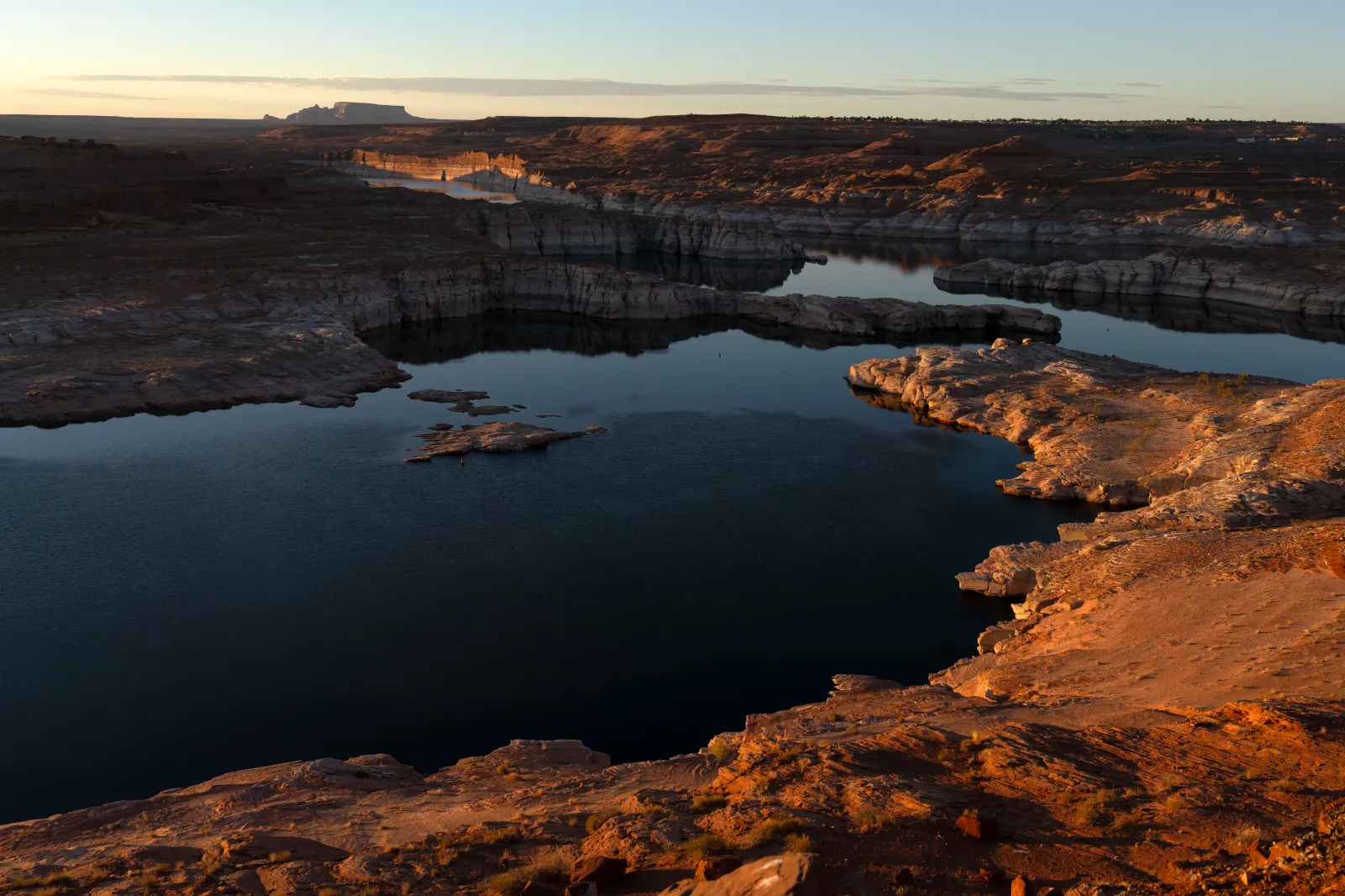
Amid worrying outlooks for water levels at Lake Powell, Glen Canyon National Recreation Area officials are undertaking new ramp work and warning of potential summer bottlenecks for boaters—even as they say access shouldn’t be lost.
Why It Matters
Visitors and boaters have been advised to plan ahead and prepare for longer lines, as well as congestion at boat ramps and docks, namely during the upcoming summer, especially if water levels fall further. Recent federal projections have indicated Lake Powell could hit a record low level by March 2027 amid worsening forecasts and decades of drought conditions.
Read More on News
What To Know
As of March 1, Lake Powell’s elevation was 3,530.89 feet, the National Park Service (NPS) said, listing operational impacts across ramps and services at Wahweap, Antelope Point, Bullfrog, Halls Crossing, and Hite.
Federal data from the end of February showed the reservoir—which is the second largest by capacity in the U.S.—was 24 percent full, with less than half of average storage.
NPS said it has funding and is finalizing plans for long-term ramps at Antelope Point Public, Stanton Creek at Bullfrog, and Hite North to function at lower lake elevations, though construction is to extend beyond the summer of 2026.
Until then, the park will coordinate with concessioner Aramark to extend the Stateline Auxiliary Ramp, and Utah is collaborating with NPS on a temporary North Wash ramp near Hite for river rafters, according to a February 27 news release.
NPS warned boaters to expect heavier congestion at Stateline Auxiliary Ramp later this season if lake levels fall further and to allow extra time for launching and retrieval.
Aramark and Antelope Point Holdings, another concessioner, are preparing contingency plans for marinas and infrastructure, and NPS said slip renters and houseboat customers will be contacted directly as plans are finalized.
NPS emphasized that Lake Powell remains open for water-based recreation and asked visitors to check current water levels, ramp status, and operational updates before traveling.
...
What People Are Saying
The National Park Service said in an advisory on its website: “Since 2001, declining water levels due to climate change and 20 years of drought have reshaped Lake Powell’s shoreline. Today we are experiencing low lake levels and their effects on boat ramp access points, on-lake facilities, and the landscape.
“Significant changes to the shoreline will affect usability of boat launch ramps throughout the year, especially in warmer months.”
It added: “On Lake Powell, boaters should be aware that as water levels change, channels may narrow leading to increased boat congestion. Boaters should exercise caution in all areas of Lake Powell.”
What Happens Next
Declining reservoir levels also carry regional energy implications at Glen Canyon Dam, where hydropower output depends on adequate lake elevation. In February, Newsweek reported that updated federal projections showed Lake Powell could reach the minimum power pool—the threshold below which the dam can no longer generate electricity—as soon as December 2026.
View 0 Comments
Submit Correction
View Editorial & AI Guidelines