...

By Anna Skinner
Associate News Editor
0
Share
Newsweek is a Trust Project member
See more of our trusted coverage when you search.Prefer Newsweek on Googleto see more of our trusted coverage when you search.
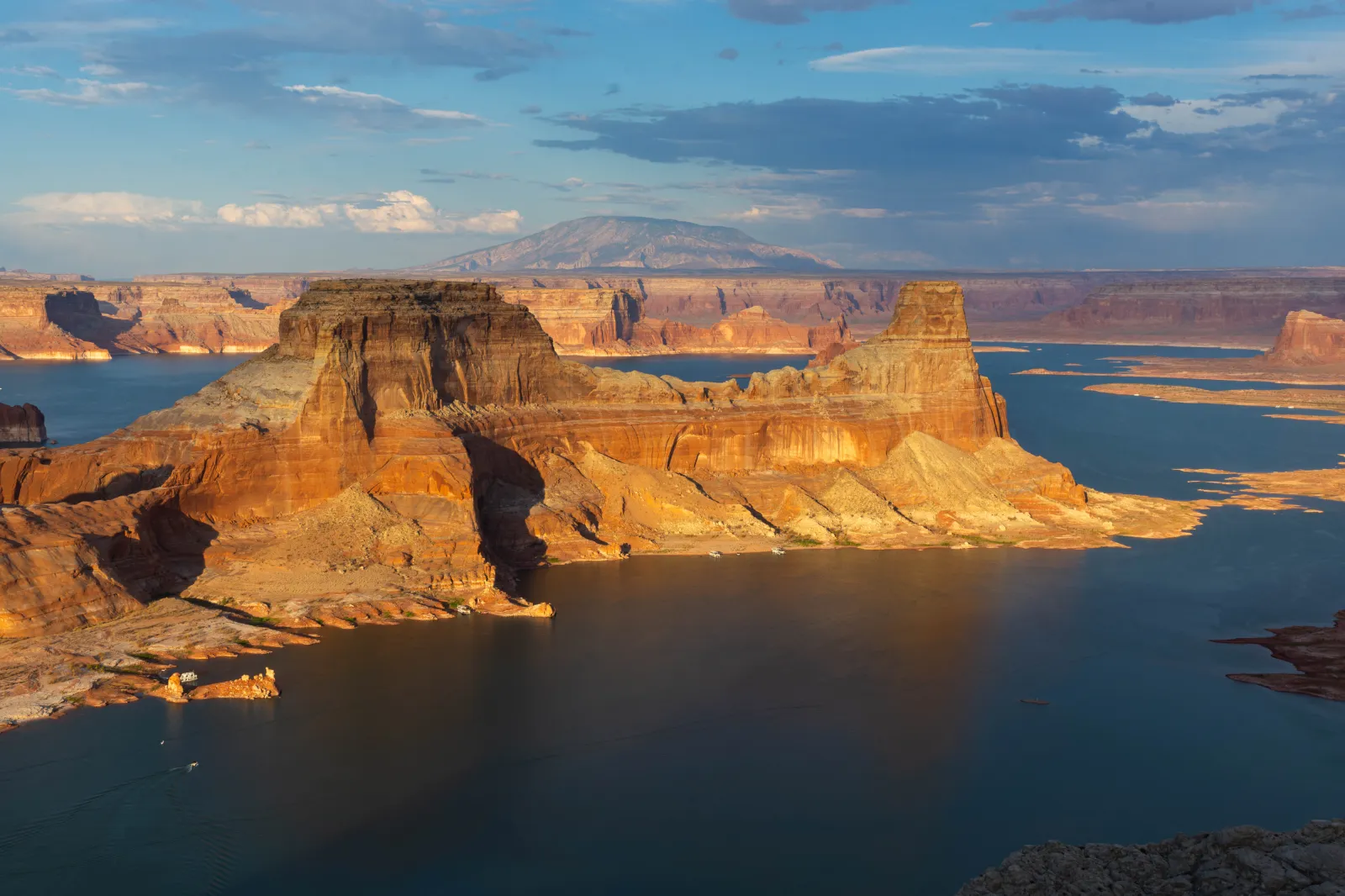
Lake Powell water levels continue dropping as National Weather Service (NWS) meteorologists in Phoenix sound the alarm about "concerning" snowpack in the Upper Colorado River Basin that could affect the lake's performance this summer during hot, dry weather and high water demand.
A major reservoir on the Colorado River straddling the Utah-Arizona border, Lake Powell was created by the construction of Glen Canyon Dam and serves as a critical water storage buffer for the Upper Basin as well as a key source of hydropower for the region. It plays a central role in regulating river flows, generating electricity for millions of people and helping fulfill water delivery obligations across the West. In recent years, the reservoir has faced severe strain from an unprecedented decades‑long drought.
Very little snow has fallen across the region, which could hinder Lake Powell's water levels come spring, when lakes and rivers in the area are usually supplemented by melting snow. Without adequate snowfall, lake water levels might fail to reach the marks required to usher the region through the dry months.
Read More on U.S.
Newsweek reached out to NWS Phoenix via phone for comment.
...
Lake Powell Water Levels
As of Monday, Lake Powell water levels were measured at 3,533 feet, which is more than 166 feet below the lake's full pool capacity. It has seen a steady drop in its water levels since October, according to data from lakesonline.com.
The lake is more than 30 feet below its water levels during this time last year and in 2024.
'Concerning' Data Revealed
NWS Phoenix on Monday shared two social media posts highlighting the "concerning" snowpack levels across the region.
"The warm weather & limited storm systems have been extremely detrimental to the Arizona snowpack this winter. For basins below Lake Powell, snow water equivalent sits at the 7th percentile & near the worst years on record (records since mid 1980s)," the first post said.
"The lack of snow cover is even more concerning across the Upper Colorado basin which feeds into Lake Powell & provides water to much of the Southwest. Snow water equivalent over this massive basin is the lowest recorded (records since the mid 1980s) in the beginning of Feb.," the second one read.
The posts come as water officials across the region have also issued warnings about the state of Lake Mead, which faces water levels so low, conditions could trigger the breaching of a 104-year-old water contract between seven states.
Precipitation outlook
Meteorologists are hopeful that a changing weather pattern could bring more moisture across the region. "After such a prolonged warm & dry pattern, changes are finally on the horizon," NWS Phoenix posted on X. "We will see a weak system move through on Friday, followed by a cooler and wetter pattern setting up early next week, which will result in periodic chances of accumulating precipitation."
The region also could experiencing above-average precipitation from February 18 to February 24, according to NWS Climate Prediction Center's eight- to 14-day precipitation outlooks, although it remains to be seen if this falls as rain or snow.
View 0 Comments
Submit Correction
View Editorial & AI Guidelines