...

By Amanda Greenwood
Associate News Editor
0
Share
Newsweek is a Trust Project member
See more of our trusted coverage when you search.Prefer Newsweek on Googleto see more of our trusted coverage when you search.
Forecasters have warned that a record warm and dry winter across the Colorado River Basin could mean that the amount of water flowing into Lake Powell between April and July will be lower than in any year over the past 25 years, according to sources including the Arizona Republic and Castle Country Radio.
Why It Matters
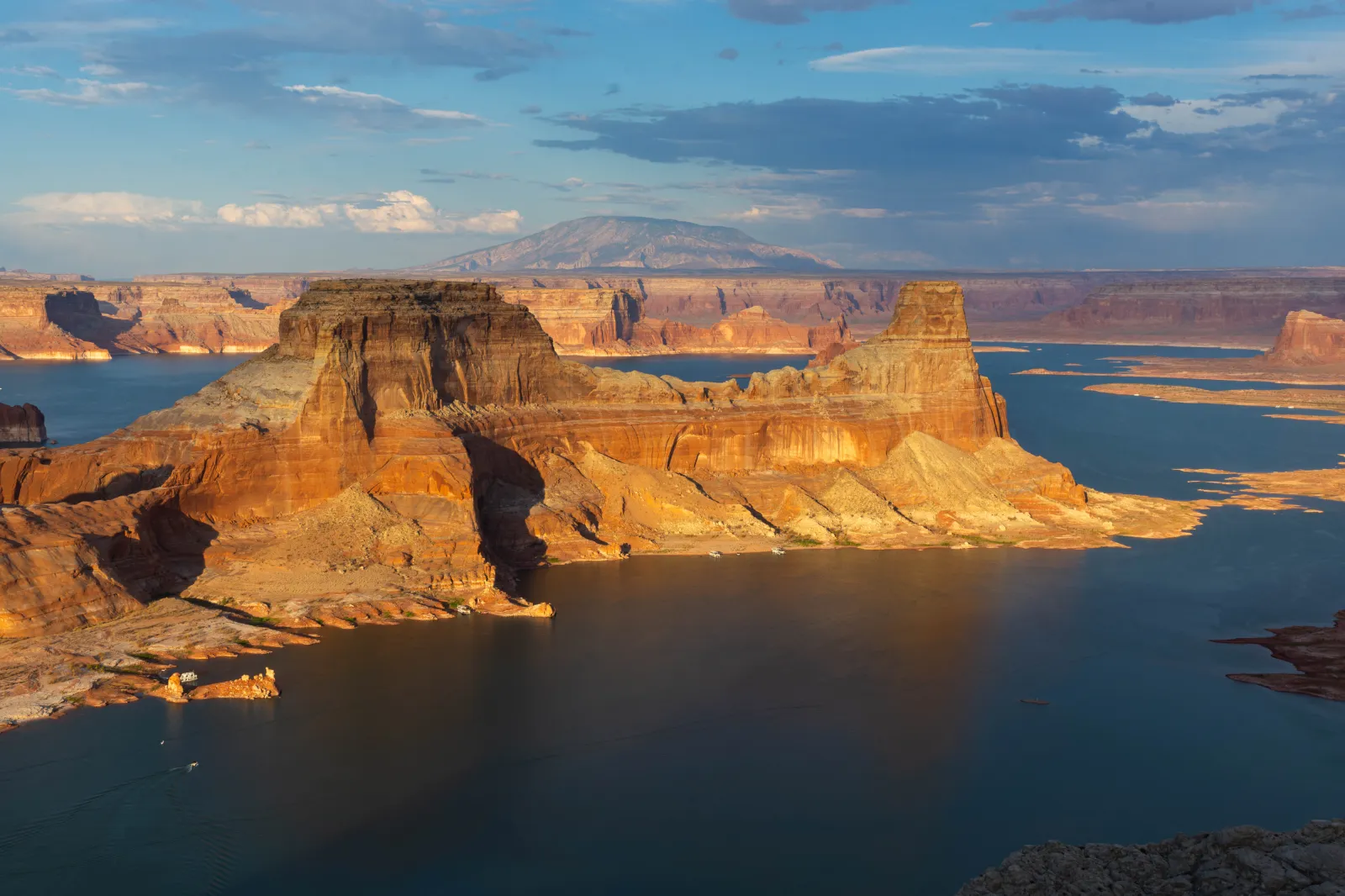
According to the Arizona Republic, Lake Powell began March at roughly 24 percent of capacity after decades of aridification—meaning the region has been gradually shifting toward more desert‑like conditions—and new forecasts show the reservoir could receive just 36 percent of its average April–July inflows.
Read More on News
Castle Country Radio reports that if levels fall below the minimum power pool—which is the minimum water level a reservoir needs to keep its hydropower turbines running—Glen Canyon Dam could be forced to halt electricity generation for utilities serving communities across the Southwest, including parts of Arizona and the Navajo Nation.
What To Know
The U.S. Bureau of Reclamation’s most recent outlook indicated that Lake Powell could fall below the “power pool” elevation of 3,490 feet by December, and its minimum probable forecast showed the reservoir dropping under that threshold by the end of August, jeopardizing turbine operations.
As of early March, hydrologists projected about 2.3 million acre‑feet of Colorado River inflow into Lake Powell between April and July—approximately 36 percent of the 1991 to 2020 average—marking the lowest seasonal boost since 2002.
Federal analysts said much of the basin—particularly the mountains in Colorado and Utah—recorded their lowest snowfall since at least 1981, as record‑warm winter temperatures caused snow to melt early or fall as rain, reducing the runoff available to replenish reservoirs.
According to Castle Country Radio, Salt Lake City recorded its warmest winter on record, with average temperatures running 2°F above the previous high, while Utah as a whole also experienced its warmest winter—conditions that contributed to a snow‑water outlook forecasters described as well below normal.
What People Are Saying
The Castle Country Radio reported that Gene Shawcroft, Utah’s Colorado River Commissioner, said: “Right now the hydrology that we have in front of us puts us in a very, very precarious situation.”
During a recent Glen Canyon Dam meeting, Wayne Pullan, Upper Colorado Regional Director for the Bureau of Reclamation, said: “It’s safe for us to assume that, unless Mother Nature is uncharacteristically generous, that Lake Powell elevations are going to fluctuate at elevations that we’re not comfortable with.”
Jack Schmidt, Director of the Center for Colorado River Studies at Utah State University, said: “This summer might be a glimpse into what our future world is going to be, and that’s going to be really limited water use.”
What Happens Next
If dry conditions persist, Lake Powell could breach the power pool as soon as late summer or fall under minimum‑probable scenarios, potentially curtailing hydropower production and forcing utilities in parts of the rural West to rely on more expensive replacement power.
View 0 Comments
Submit Correction
View Editorial & AI Guidelines