...

By Anna Skinner
Associate News Editor
0
Share
Newsweek is a Trust Project member
See more of our trusted coverage when you search.Prefer Newsweek on Googleto see more of our trusted coverage when you search.
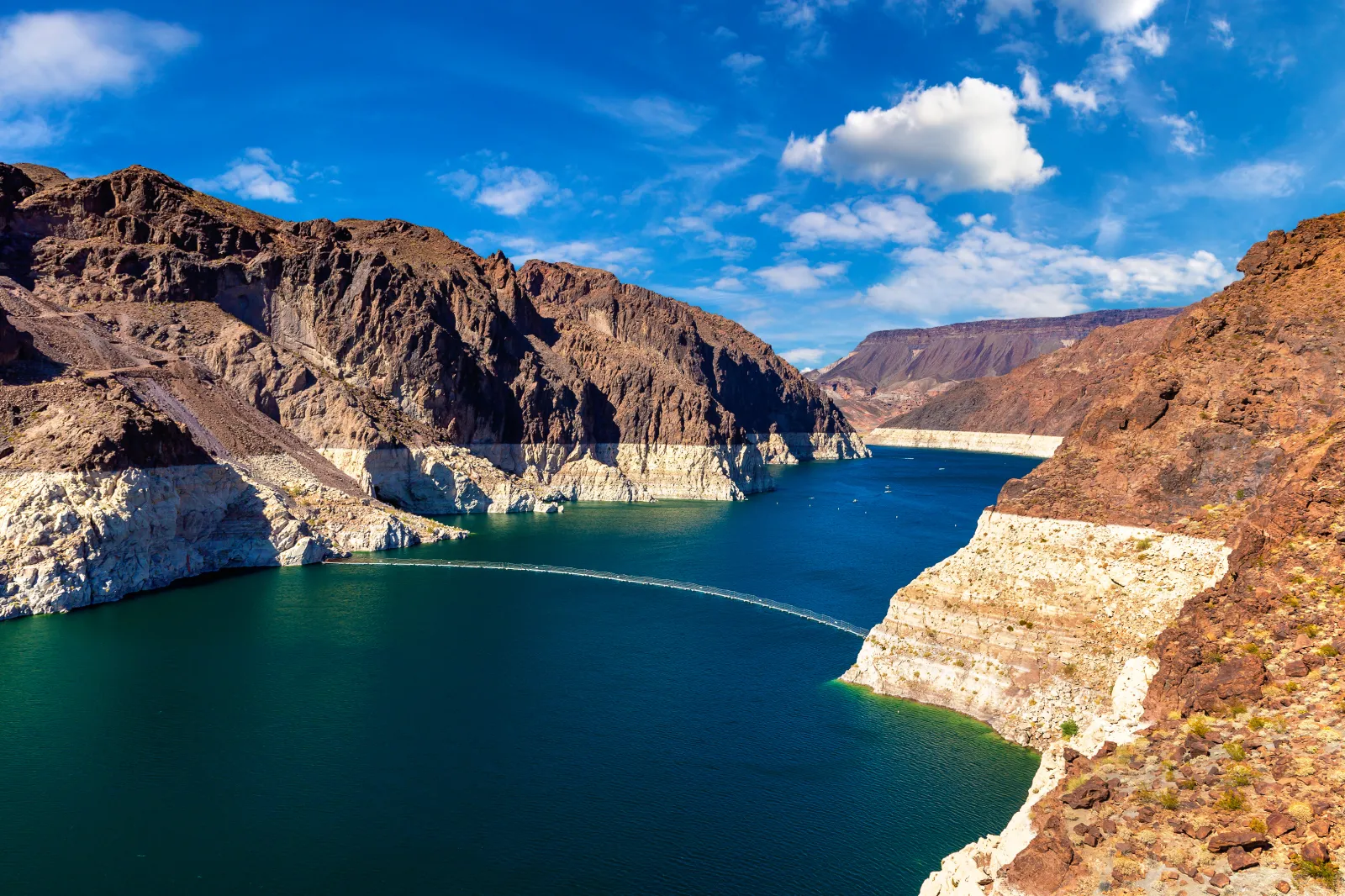
Lake Mead is once again under close scrutiny as new federal projections warn of worsening water conditions at the nation’s largest reservoir, as a major city upstream begins tightening the screws on water use.
The reservoir, which is located in Nevada and Arizona and formed by the Hoover Dam on the Colorado River, continues to face mounting pressure from prolonged drought, extreme heat and declining inflows, raising fresh concerns for the tens of millions of people who depend on the river system across the West.
Lake Mead’s long-running battle with drought has left water levels highly vulnerable heading into the hottest months of the year. Recent federal forecasts indicate the reservoir could fall below its previous record lows by late 2027, following years of diminished runoff linked to persistent drought and warming temperatures. That outlook is being compounded by an anemic mountain snowpack this winter, particularly in Colorado, where snow-water equivalent levels have plunged to some of the lowest levels on record, reducing the amount of spring and summer melt expected to replenish the Colorado River system.
Read More on U.S.
The strain is already rippling beyond the desert Southwest: Denver Water recently approved drought pricing that will raise outdoor water bills for roughly 1.5 million customers, underscoring how shortages tied to poor snowpack and river stress are increasingly translating into higher costs for urban water users.
Water prices could rise even further should conditions worsen, a Denver Water spokesperson told Newsweek.
...
Lake Mead Water Levels
As of Thursday, the most recent data show Lake Mead's water level at around 1,060 feet in elevation. At this level, Lake Mead is roughly around a third of its full capacity.
The levels have plunged steeply since their spring peak around March 1, when they were at about 1,066 feet in elevation. The reservoir's current level is around 5 feet below the level in 2025, at the same time and 14 feet below the level in 2024. The water levels are still around 15 feet above where they were during this time in 2023.
While the Colorado River system depends heavily on snowmelt from the Upper Basin states, this year’s snowpack has offered little relief.
In Colorado, statewide snowpack has collapsed to roughly 29 percent of normal after a warm, dry winter and a record-breaking spring heat wave, with many basins likely already past their seasonal peak. Water managers have warned that such conditions sharply limit runoff potential, increasing the likelihood that reservoirs like Lake Mead and Lake Powell see further declines through summer.
Those upstream conditions are now directly affecting household budgets. Earlier this week, Denver Water approved temporary drought pricing—the first time it has done so in more than two decades—after declaring a Stage 1 drought.
The new pricing structure raises rates for outdoor water use while exempting essential indoor consumption, a move officials say is necessary to curb demand during what could be one of the driest years on record. The utility serves about 1.5 million people across the Denver metro area and depends on mountain snowpack for roughly 90 percent of its supply.
With summer heat still ahead and limited runoff expected, officials across the West are warning that Lake Mead’s condition remains fragile, and that consumers may increasingly feel the financial impact of a river system under strain.
View 0 Comments
Submit Correction
View Editorial & AI Guidelines