...


By Dan Gooding and Joshua Rhett Miller
0
Share
Newsweek is a Trust Project member
See more of our trusted coverage when you search.Prefer Newsweek on Googleto see more of our trusted coverage when you search.
FBI Director Kash Patel filed a $250 million lawsuit against The Atlantic on Monday after the news outlet published allegations that he was "conspicuously inebriated" and engaged in "erratic" behavior while leading the bureau, while The Atlantic told Newsweek it "will vigorously defend" its reporting.
In a 19-page civil complaint filed in the U.S. District of Columbia, Patel's team listed what it deemed successes by the FBI chief under President Donald Trump, adding, "Defendants are of course free to criticize the leadership of the FBI, but they crossed the legal line by publishing an article replete with false and obviously fabricated allegations designed to destroy Director Patel’s reputation and drive him from office," the complaint read.
After the lawsuit was filed, Patel attorney Jesse R. Binnall took to X, saying, "Defamatory speech is not free speech, and it is an honor to represent Kash Patel in this lawsuit seeking accountability for The Atlantic article's malicious falsehoods."
Read More on Politics
Patel had promised the lawsuit would come after the magazine on Friday published the article alleging the FBI director had been intoxicated numerous times while at work. After the piece was published, Binnall shared a letter he said had been sent to The Atlantic beforehand, outlining why he believed its reporting was false.
"We stand by our reporting on Kash Patel, and we will vigorously defend The Atlantic and our journalists against this meritless lawsuit," a spokesperson for The Atlantic told Newsweek on Monday.
Newsweek also reached out to writer Sarah Fitzpatrick directly for comment Monday morning.
...
What Does The Atlantic Article on Kash Patel Allege?
The Atlantic's report alleged Patel was "conspicuously inebriated" on multiple occasions, that briefings were rescheduled early in his tenure and that his security detail once needed to request "breaching equipment" to reach him behind locked doors.
The article, published online Friday, discussed an alleged incident in which Patel had a "freak-out" over being unable to access an internal computer system. According to "more than two dozen people" interviewed by The Atlantic, Patel was "erratic, suspicious of others, and prone to jumping to conclusions before he has necessary evidence."
The report is not the first time Patel's conduct has drawn attention. In February, he faced criticism after he was seen celebrating with Team USA at the Olympics following the national hockey team's gold medal win, raising questions about his whereabouts and priorities while leading the bureau.
Kash Patel Lawsuit: What to Know
In the complaint, Patel took aim at The Atlantic and Fitzpatrick, accusing them of seeking out anonymous sources with "an ax[e] to grind and also not in a position to know the facts." Patel said the outlet had published its article despite warnings hours before publication that the allegations made in it were false.
The complaint alleged this was part of a long-running campaign by the magazine against him, saying, "Defendants cannot evade responsibility for their malicious lies by hiding behind sham sources."
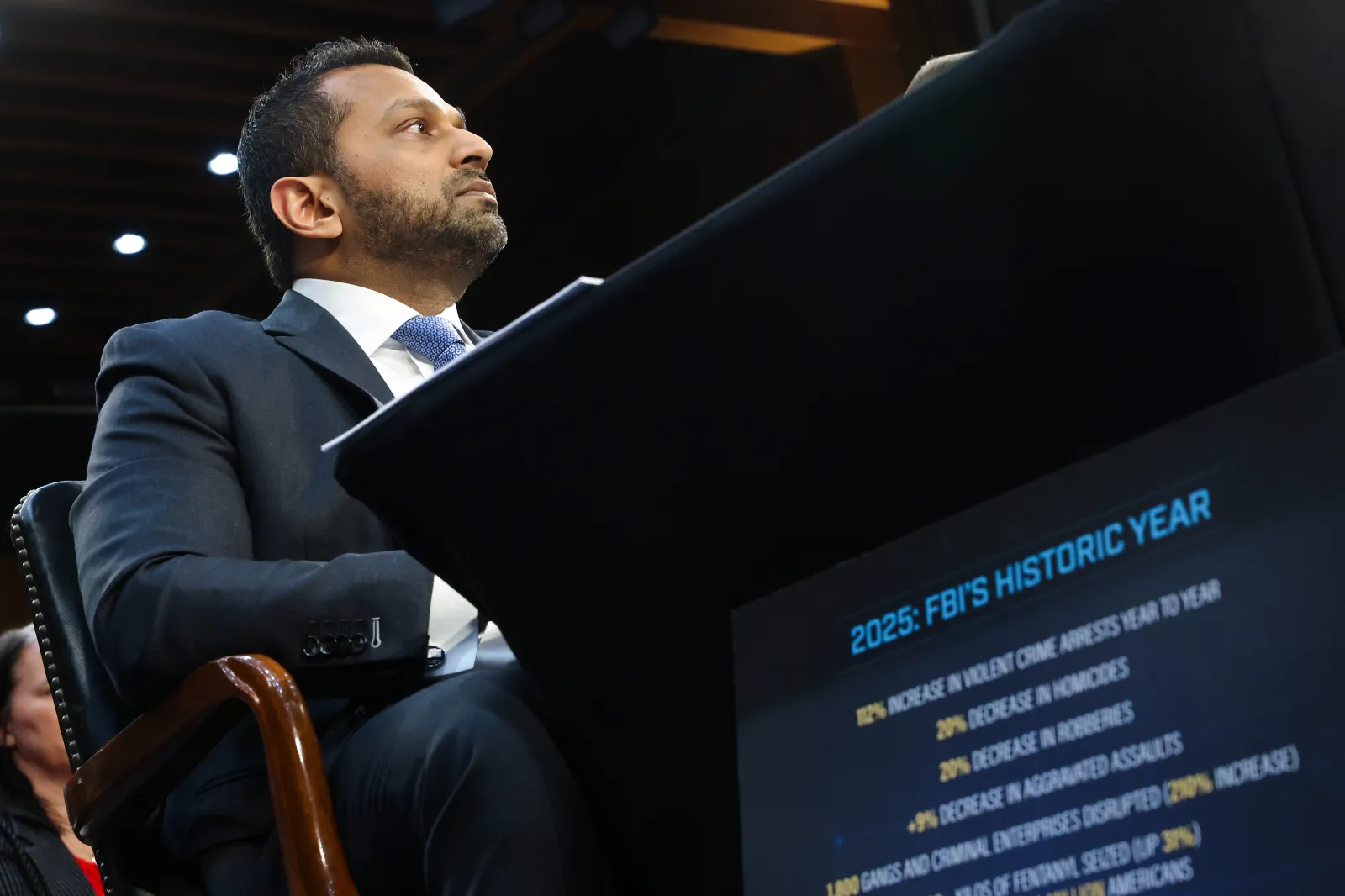
The third page of the complaint goes on to list the "historic law enforcement results" achieved under Patel's leadership. The list includes more than 40,000 violent crime arrests and the seizures of illegal drugs, including fentanyl. The FBI director had taken to social media and TV interviews over the weekend to offer similar messaging.
Patel accused The Atlantic and Fitzpatrick of defamation, saying their article was a deliberate effort to damage his reputation and force him from his position.
The complaint listed multiple lines from the article that spoke of alleged drunken incidents during meetings, as well as instances where his behavior had impacted investigations, including into the death of Charlie Kirk.
"None of these events occurred," the complaint said.
Again, the complaint went on to tout Patel's work ethic and achievements, including the claim that he had taken fewer personal days than his two predecessors.
What Happens Next
Patel is demanding $250 million in compensation, as well as any the magazine and Fitzpatrick earned as a result of the piece in question.
Update 4/20/26, 4:37 p.m. ET: This article and its headline were updated with additional information.
View 0 Comments
Submit Correction
View Editorial & AI Guidelines