...


By Anna Commander and Gabe Whisnant
0
Share
Newsweek is a Trust Project member
See more of our trusted coverage when you search.Prefer Newsweek on Googleto see more of our trusted coverage when you search.
A federal judge on Friday blocked the Trump administration from enforcing parts of a new Pentagon policy that limits reporters’ access to the Defense Department, ruling that key provisions unlawfully restrict press credentials.
U.S. District Judge Paul Friedman in Washington sided with The New York Times, which challenged the policy after reporters were told they would lose their credentials if they left the Pentagon rather than agree to the new rules. Friedman, nominated by former Democratic President Bill Clinton, ruled that the policy illegally penalized journalists for refusing to comply with the restrictions.
When reached for comment by Newsweek, the Pentagon forwarded chief spokesperson Sean Parnell's comment on X: "We disagree with the decision and are pursuing an immediate appeal."
Read More on Politics
Why It Matters
The court’s decision implicated core First Amendment protections and due process safeguards at a time when the Pentagon’s access rules affected who could report from inside the building during ongoing U.S. military operations.
The Times argued—and Friedman signaled agreement in earlier hearings—that the rules chilled traditional news-gathering by allowing officials to revoke press badges based on subjective determinations if a reporter sought unauthorized information, as reported by Reuters.
What To Know
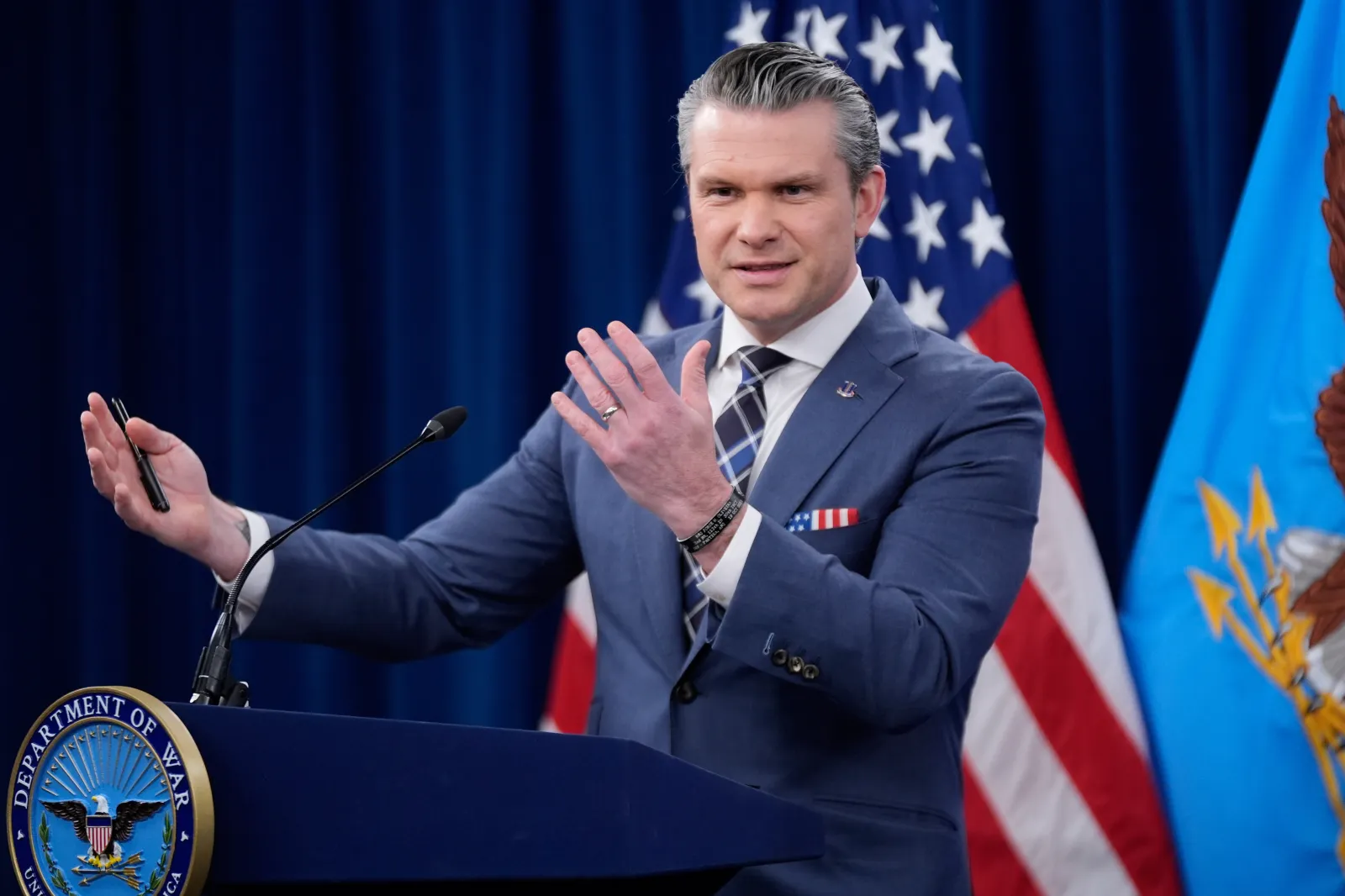
The newspaper sued the Pentagon and Defense Secretary Pete Hegseth in December, arguing that the credentialing changes violated reporters’ constitutional rights to free speech and due process. The judge agreed that the policy, as applied to reporters who declined to accept the new terms, could not be enforced.
The Pentagon’s current press corps is now largely made up of conservative outlets that agreed to the policy. Reporters from organizations that refused to consent to the new rules, including the Associated Press, have continued covering the military despite the dispute.
The Pentagon maintained the policy was necessary to protect national security and that credential decisions would rely on neutral, objective criteria, the Justice Department said, per Reuters.
The order comes down nearly three weeks after U.S. and Israeli forces waged the war against Iran. Ongoing threats to energy facilities in the region and uncertainty surrounding the Strait of Hormuz remain.

...
What People Are Saying
Friedman, in part, in his conclusion on Friday: "The Court recognizes that national security must be protected, the security of our troops must be protected, and war plans must be protected. But especially in light of the country’s recent incursion into Venezuela and its ongoing war with Iran, it is more important than ever that the public have access to information from a variety of perspectives about what its government is doing—so that the public can support government policies, if it wants to support them; protest, if it wants to protest; and decide based on full, complete, and open information who they are going to vote for in the next election. As Justice [Louis] Brandeis correctly observed, 'sunlight is the most powerful of all disinfectants.'"
What Happens Next
The Justice Department can seek an appeal or propose policy changes that address the court’s concerns, as the administration previously defended the rules as necessary for national security.
Update 3/20/26, 8:12 p.m. ET: This article has been updated with additional information.
This article includes reporting by the Associated Press.
In a polarized era, the center is dismissed as bland. At Newsweek, ours is different: The Courageous Center—it's not "both sides," it's sharp, challenging and alive with ideas. We follow facts, not factions. If that sounds like the kind of journalism you want to see thrive, we need you.
When you become a Newsweek Member, you support a mission to keep the center strong and vibrant. Members enjoy: Ad-free browsing, exclusive content and editor conversations. Help keep the center courageous. Join today.


View 0 Comments
Submit Correction
View Editorial & AI Guidelines