10
Loading video...
By Emma Marsden
Reporter
0
Share
Newsweek is a Trust Project member
See more of our trusted coverage when you search.Prefer Newsweek on Googleto see more of our trusted coverage when you search.
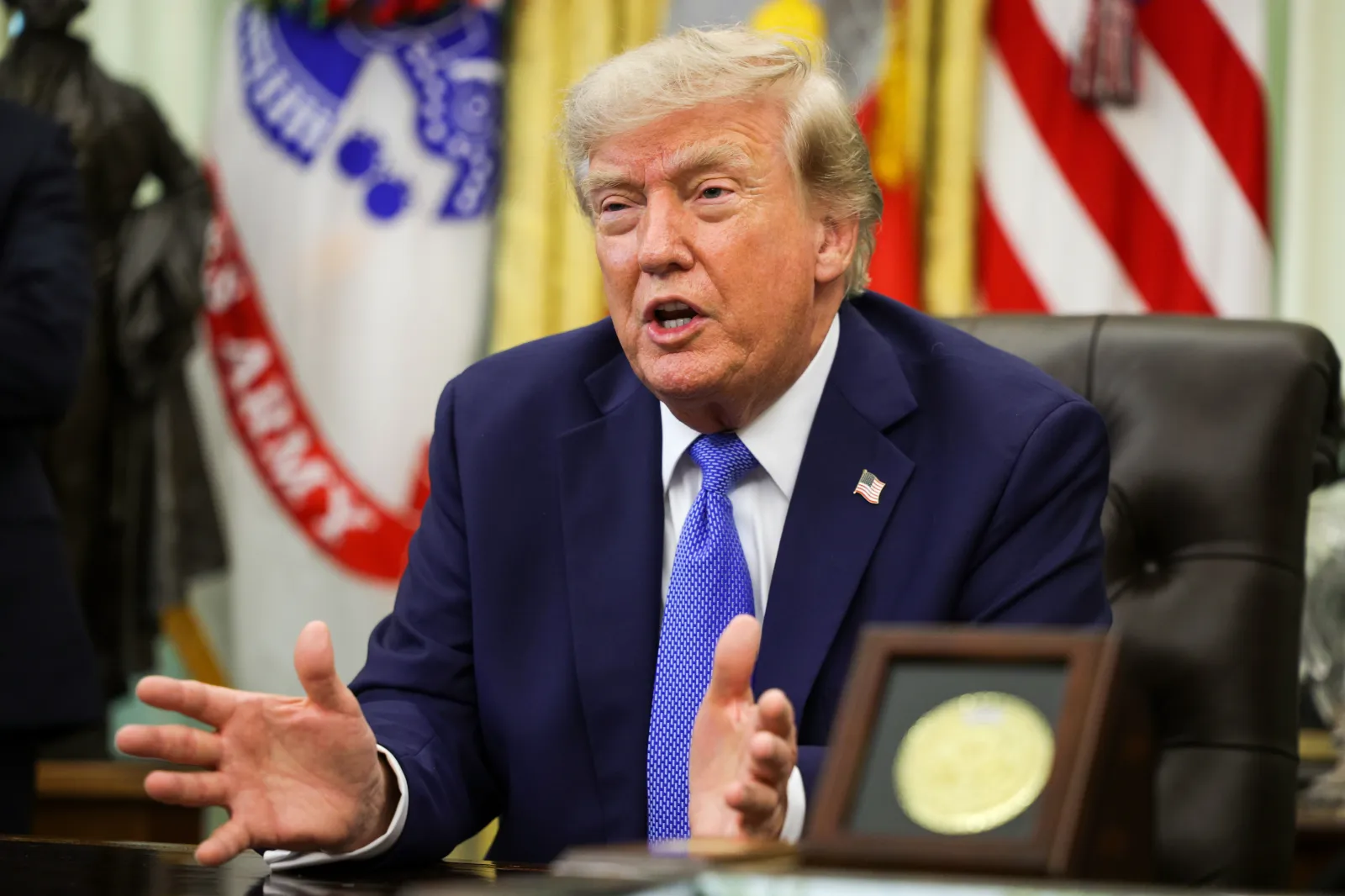
A judge has blocked Donald Trump’s latest attempt to force Rupert Murdoch to sit for a deposition as part of the president’s defamation lawsuit against the owner of The Wall Street Journal and several of its journalists.
Judge Darrin P. Gayles granted a request from lawyers representing Murdoch and other defendants to pause discovery in the case, meaning Trump’s efforts to gather evidence, including a deposition from Murdoch, will be put on hold while the court considers the defendants’ motion to dismiss the lawsuit.
Trump's lawyers have argued that Murdoch should be asked to depose swiftly, on account of his age, he is 95 years old, and because he "is believed to have suffered recent significant health scares".
Read More on U.S.
The order was issued after a hearing on Wednesday, August 5, where lawyers returned to court over Trump’s legal battle with The Wall Street Journal and Murdoch.
“Defendants’ Motion to Stay Discovery” was granted, according to the judge’s order, which stated: “All discovery in this matter is stayed pending the Court’s ruling on Defendants’ Motion to Dismiss the First Amended Complaint.”
The ruling marks the third time discovery has been paused during the course of the case.
Newsweek reached out to representatives for Murdoch via email and Trump via online form on Friday for comment.
...
In a filing by Murdoch's legal team, his lawyers said: "Allowing an invalid claim to proceed to discovery “does nothing but waste the resources of the litigants in the action before the court, delay resolution of disputes between other litigants, squander scarce judicial resources, and damage the integrity and the public’s perception of the federal judicial system.”
The filing also stated that: "More broadly, because this case centers around Defendants’ First Amendment protected speech, Defendants would suffer significant prejudice if forced to commence discovery prematurely. Indeed, both Florida’s and New York’s anti-SLAPP laws recognize that 'the very filing and continuation' of lawsuits—like this one—concerning 'speech in connection with public issues' has a 'chilling effect on constitutional rights.'"
Trump’s Lawsuit Previously Dismissed Before Being Refiled
As previously reported by Newsweek, Trump issued a statement on Truth Social last year saying he filed a "powerhouse" lawsuit over a Wall Street Journal story revealing the details of a "bawdy" letter Trump allegedly sent the disgraced financier and sex offender Jeffrey Epstein.
Trump denied the claims and sued the newspaper, its parent company and Murdoch, accusing them of defamation.
The lawsuit seeks at least $10 billion in damages and accuses the publication of engaging in a "malicious" effort to "malign" the president with a story based on a "nonexistent" letter.
The case was initially dismissed after the judge found Trump’s complaint failed to meet the high legal standard required for defamation claims involving public figures. The court said the allegations were “nowhere close” to showing actual malice—a requirement that a plaintiff prove a defendant knowingly published false information or acted with reckless disregard for the truth.
Related Story
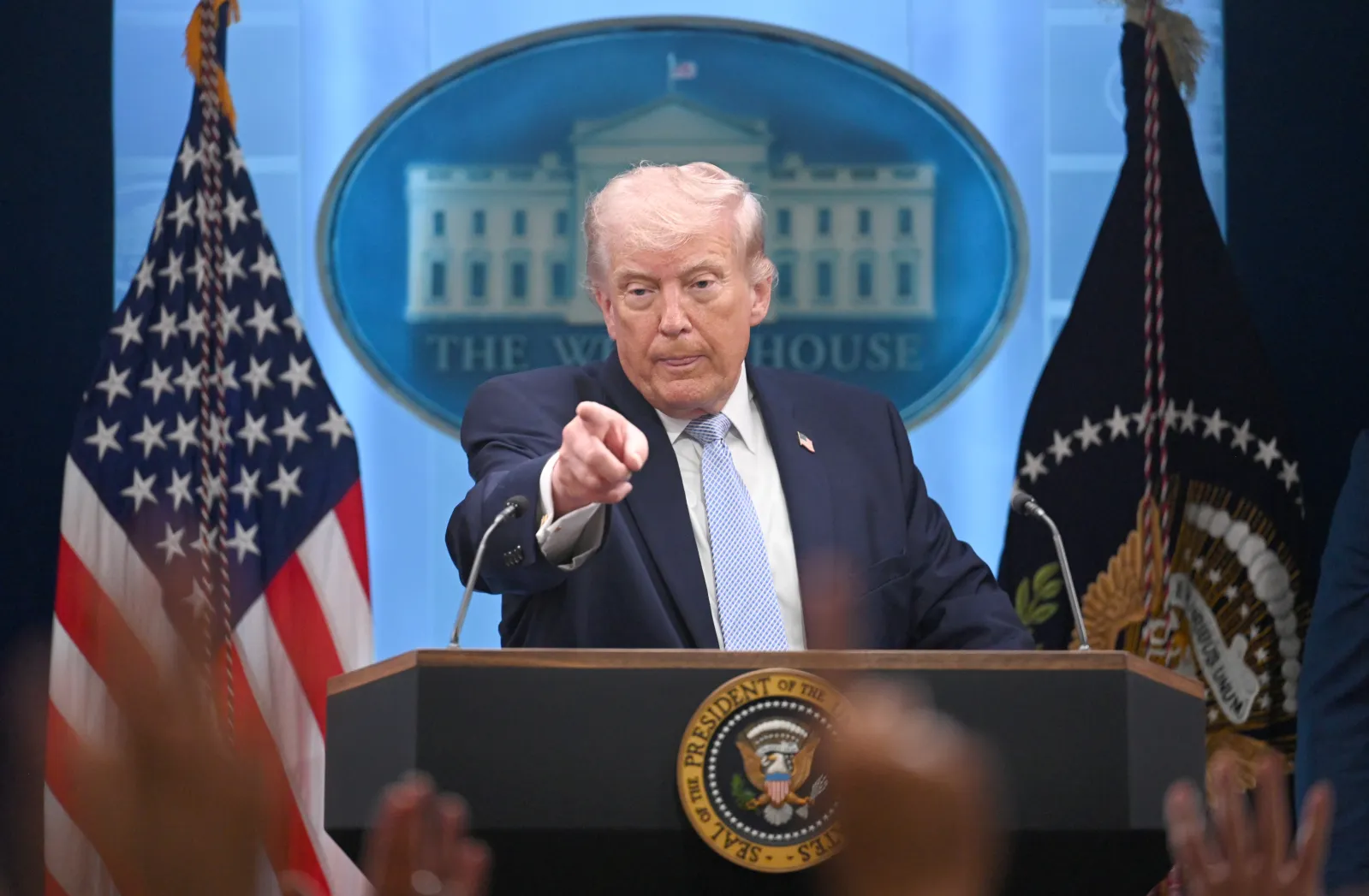
Donald Trump’s $10B Lawsuit Over Epstein Letter Dismissed by Federal Judge
Trump later refiled an amended complaint earlier this year, prompting renewed legal proceedings.
As part of the latest round of litigation, Trump’s team sought discovery that included questioning Murdoch under oath. Murdoch’s lawyers argued that discovery should not proceed while their motion to dismiss remains unresolved.
The judge sided with the defendants, temporarily preventing Trump from moving forward with the requested discovery.
The Legal Teams Respond
Representing the president, attorney Alejandro Brito—who is also leading Trump's $10 billion defamation lawsuit against the BBC—argued that The Wall Street Journal failed to meet accepted journalistic standards before publishing the article, as reported by The Guardian.
"The defendants did not and could not have [done] the investigations to make the definitive statements in this article," Brito told the court during Wednesday's hearing in Miami.
Lawyers for Murdoch, The Wall Street Journal and its parent company, News Corp, argued that Trump's legal team had failed to show the president was defamed by the article, headlined: "Jeffrey Epstein’s Friends Sent Him Bawdy Letters for a 50th Birthday Album. One Was From Donald Trump."
"The amended complaint is no better than the original complaint," Andrew J. Levander, an attorney representing the defendants, told the court, according to The Guardian. "It is time for this baseless lawsuit to come to an end. You gave the plaintiff a roadmap to fix this case, and he couldn’t do it."
Katherine M. Bolger, another attorney representing the defendants, argued that The Wall Street Journal's case was strengthened by its inclusion of Trump's denials, The Guardian reported. She said the reporters behind the story, Khadeeja Safdar and Joe Palazzolo, made clear to readers "what they know and what they don’t know."
"That’s not actual malice; that’s good journalism," Bolger said.
Contact Newsweek editors on this story: Matthew Cannon and Sam Wilson.
View 0 Comments
Submit Correction
View Editorial & AI Guidelines