10
Loading video...

Vanessa Hickle, as told to Rheana Murray
0
Share
Newsweek is a Trust Project member
See more of our trusted coverage when you search.Prefer Newsweek on Googleto see more of our trusted coverage when you search.
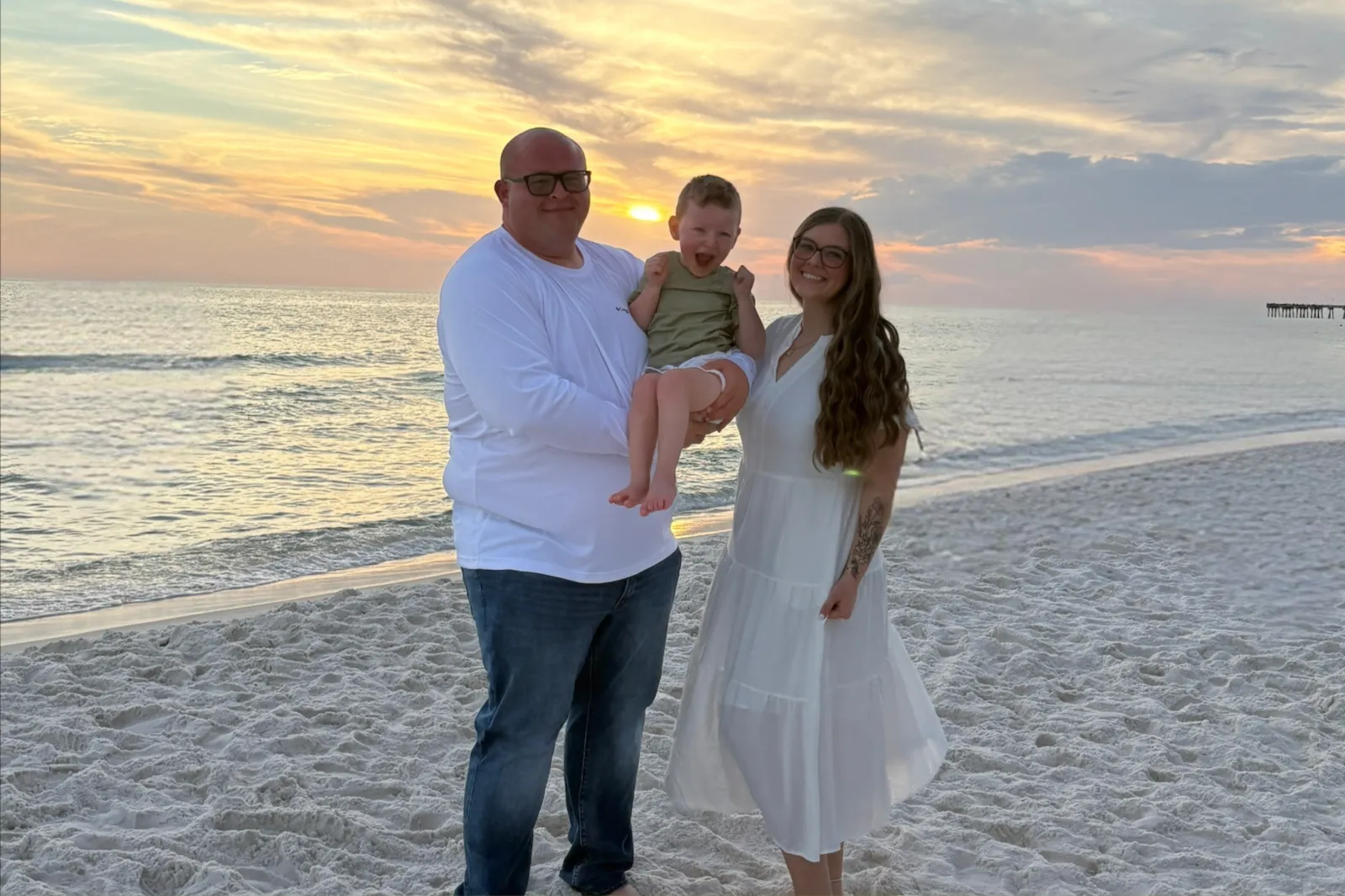
I was 19 when I got pregnant with Easton. I was nervous—I wanted to be a good mom, but I didn’t know anything about being a mom. I didn’t have the best childhood, and I didn’t have much family. But I was excited and ready to give my child what I didn’t have growing up.
I had a healthy pregnancy. I gave birth to Easton at 37 weeks and there were no complications. We even left the hospital a day early—everything was perfect. When we got home, I had postpartum anxiety. I was so concerned about whether he was breathing, whether he was OK. But he was still perfect, and there were no signs that anything was wrong.
Then, when Easton was around a month old, I noticed that his legs would sometimes turn purple, like he was losing blood circulation. If I moved him into a certain position, it would go away. And his legs would shake. We told his pediatrician; he said that Easton’s legs were just immature.
Read More on My Turn
I Had Parental Controls on My Daughter’s iPad. An ‘AI Friend’ Still Found Her7 min read

My Neck Hurt After a Massage. 10 Days Later Terrifying Truth Was Revealed7 min read

I Gave My Nephews a Bow and Arrow for the Holidays—With One Condition. I Didn’t Expect Their Reaction7 min read

Around three months, I noticed that he wouldn’t use his hands. He wouldn’t grab at things. He was very stiff and had poor head control, and still had the issues with his legs. Every time we went to the doctor, I brought a list of notes. I told the doctor all the symptoms he was having and the doctor said, “He just needs time.” Around six months, he was still having the same problems, and he hadn’t met any milestones. He wasn’t rolling over. He wasn’t grabbing for things. He wasn’t babbling. At our next checkup, the doctor said he wasn’t rolling over because he was “too chubby.” He also said we had “new-parent anxiety.” I thought, “Maybe I’m just stressing. I am a new mom. I don’t know much.”
...
At nine months, we knew this wasn’t just “new-parent anxiety.” Something was very wrong. He hadn’t met any milestones. He still wasn’t babbling or making any noises. We went to the 9-month checkup, and we were frustrated at this point. The doctor said, “So how are things? Is he sitting up?” We said, “No, he’s not even rolling over! He’s not grabbing things. He’s not using his hands.” The doctor took Easton from my husband and placed him on the bed seat and tried to sit him up, and Easton flopped over. He caught him, and said, “Oh, Easton just needs therapy.” And I thought, “No.”
We left that doctor’s office and I made an appointment with another pediatrician at the same practice, for the same week. Within five minutes of being in the new pediatrician’s office, the doctor said, “Something is wrong with Easton’s brain. You need to see a specialist.” He referred us to Cincinnati Children’s Hospital, about two and a half hours from where we live in central Kentucky.
...
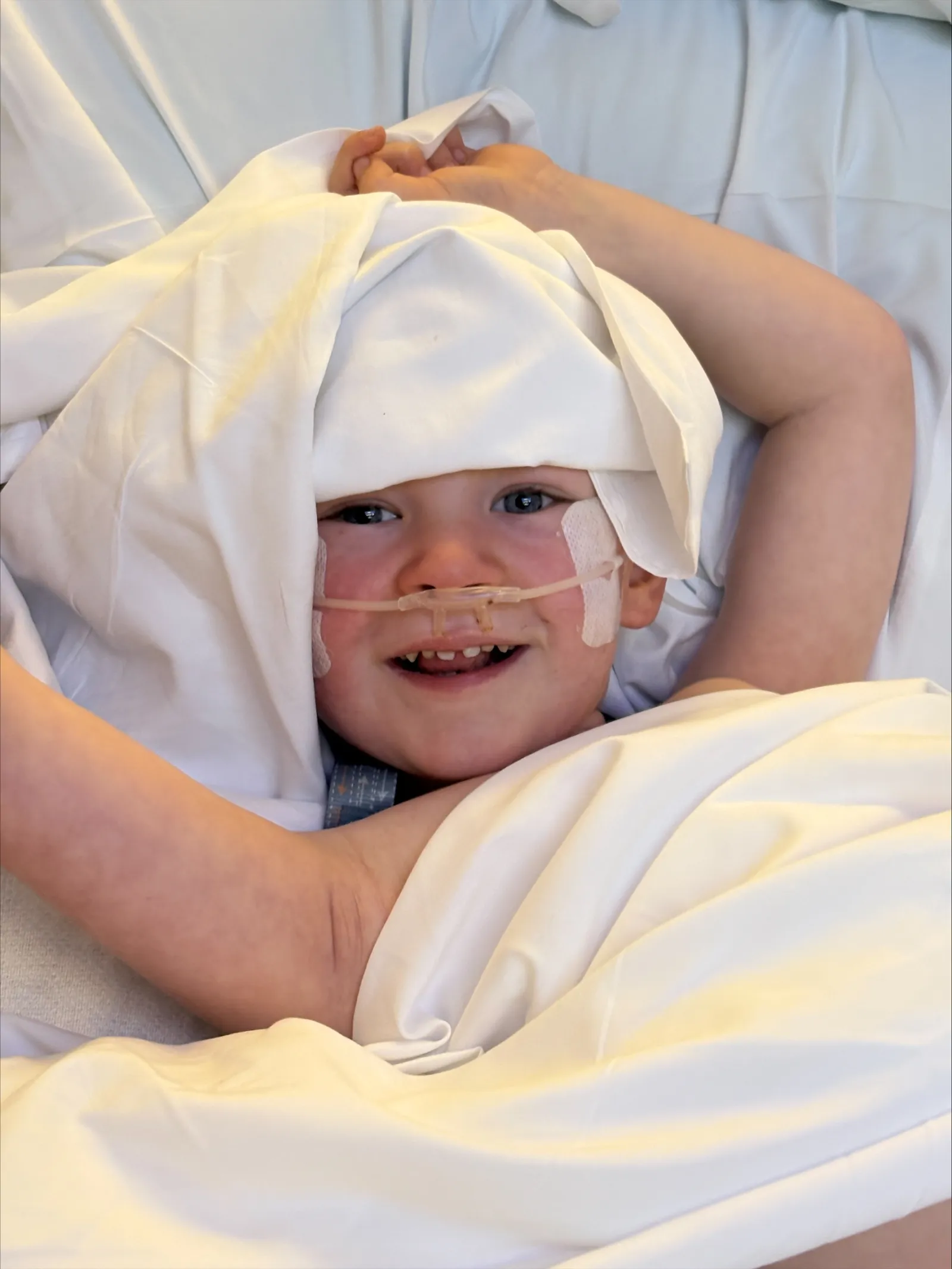
When we finally got an appointment, Easton was about 13 months old. They did bloodwork, an MRI and an EEG. The next day, results came back and showed us that he had cortical dysplasia; his brain hadn’t formed properly. A doctor explained that as Easton gets older, he’ll start having seizures. That night, we went to sleep and woke up at 1 a.m. to Easton having his first seizure. The ambulance took us to the hospital, and doctors stabilized him and then sent us home, telling me that he shouldn’t have another seizure in the same 24-hour period. At home, I wouldn’t go to sleep. Easton slept in my arms, but I felt like something was off. Then he woke up and started having another seizure. I called 911 and when I was on the phone, Easton stopped breathing. I had to give him CPR. His color came back, and then the ambulance arrived. Within 40 minutes of being at the hospital, he had another seizure. After the third one, they admitted us. They diagnosed Easton with epilepsy and started him on seizure medication, and his seizures have been controlled since that day.
The next month, a geneticist called and said Easton’s bloodwork showed that he has Joubert syndrome, a rare genetic disorder that affects brain development. My husband and I couldn’t believe it. We couldn’t stop crying. I was a mess. We had a therapy appointment immediately after getting the diagnosis, and at one point, I looked at Easton, and I thought, “He’s still the same. The only difference is that now we know. Now it’s time for me to change into the person he needs me to be.”
My husband and I did testing and discovered that we’re both carriers of Joubert syndrome. It’s a rare condition—to be a carrier is rare, and to marry someone else who’s a carrier is even rarer.
...
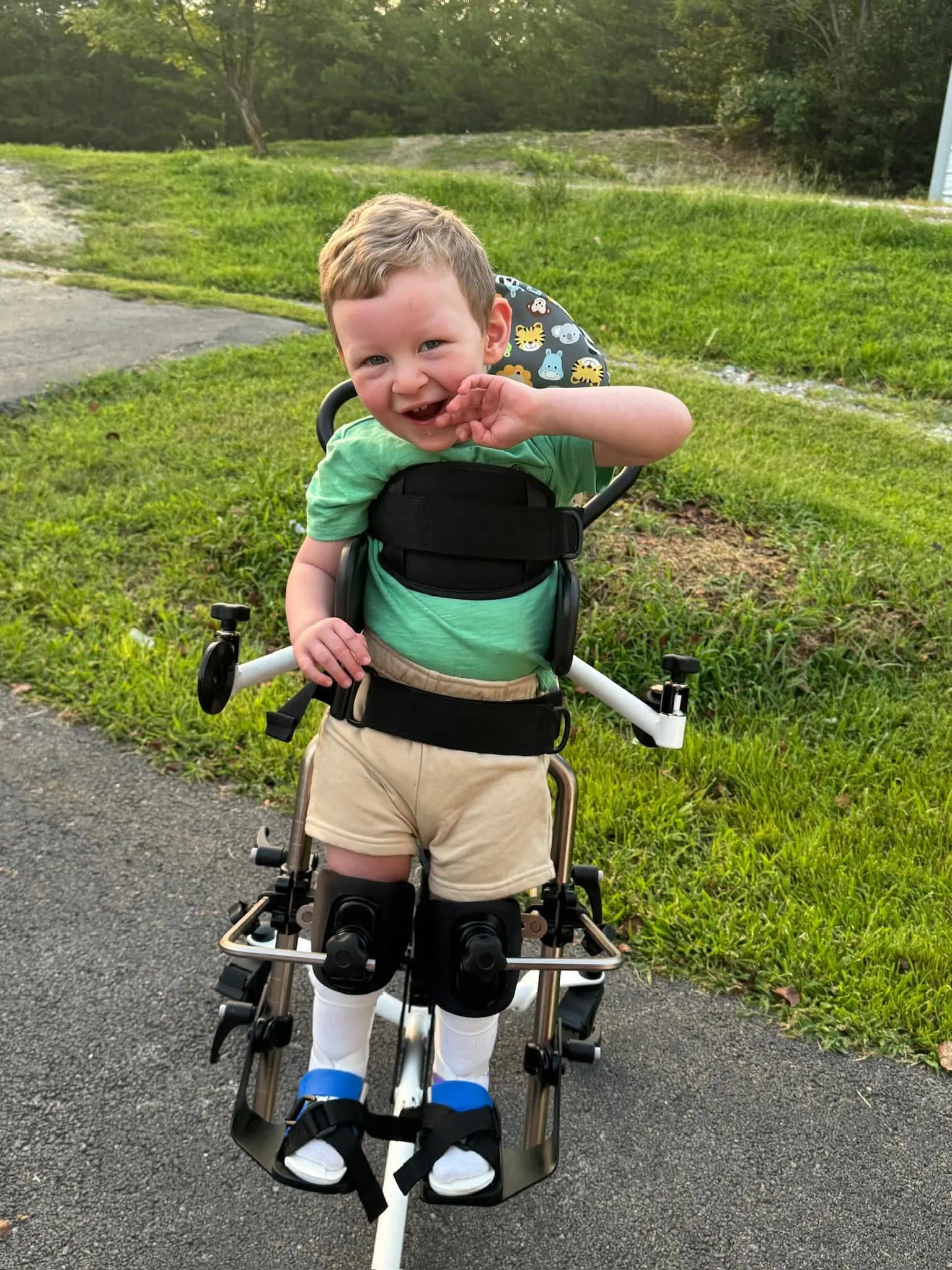
Easton is now 3 years old and I’m his attendant caregiver. I clock in on my phone. Each day, I let him decide what’s going to happen. He might want to sleep all day. He might be sick—he gets sick a lot because his immunity is low. He has cerebral palsy. We have therapy weekly: physical therapy, occupational therapy, speech. He still isn’t able to sit up or roll over. He’s the same as he was as a baby, just in a bigger body. But he can say “mama,” which gives me hope that he’ll be able to say more words in the future.
There are some days that grief takes over my body. I didn’t imagine this being my child’s life. I didn't imagine hospital stays being our normal. It’s sad to see other children doing things that my child should be doing, the things we miss out on.
But throughout everything, Easton is happy. His whole personality is joy. Each morning, he wakes up smiling. That smile alone keeps me going. I’ll be crying, and he’ll be smiling. That changes everything. I started sharing my story on TikTok because we don’t talk about disability enough, and I wanted people who are going through what I’m going through to know that they’re not alone. And I want to encourage parents to listen to their instincts—you know your child best. We have to advocate for our children. Until Easton is able, I’ll be his voice.
This interview has been edited and condensed.
Do you have a personal essay you want to share with Newsweek? Send your story to MyTurn@newsweek.com.
View 0 Comments
Submit Correction
View Editorial & AI Guidelines