...

By Suzanne Blake
Reporter
0
Share
Newsweek is a Trust Project member
See more of our trusted coverage when you search.Prefer Newsweek on Googleto see more of our trusted coverage when you search.
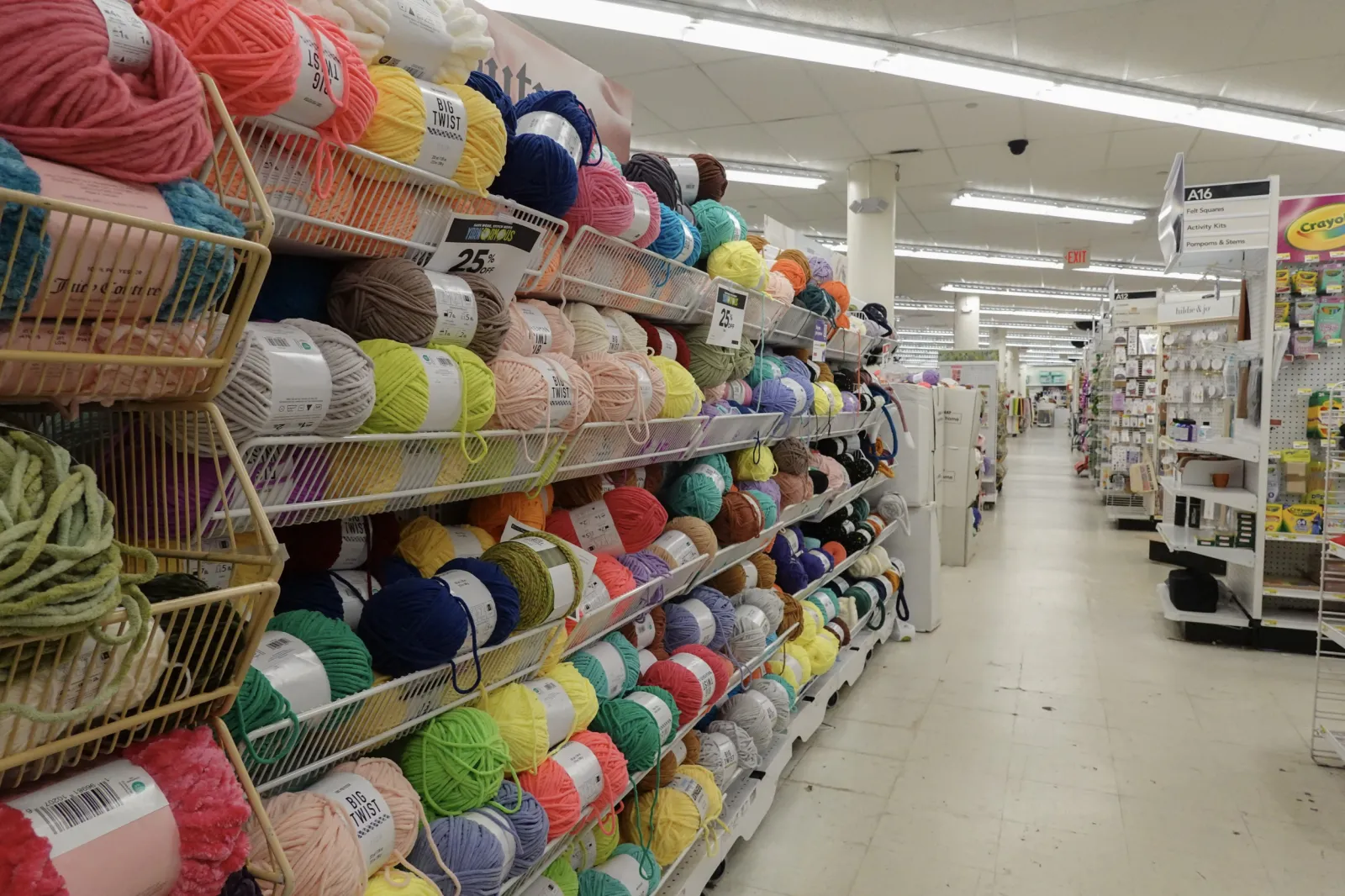
Joann Fabrics has announced it will be closing all its remaining locations just a month after the crafts store filed for Chapter 11 bankruptcy.
Newsweek reached out to Joann Fabrics for comment via email on Monday.
Why It Matters
Joann Fabrics has been in operation for roughly 80 years, serving as a supplier for all crafts supplies.
Read More on U.S.
Earlier this month, the chain said it would be closing around 500 of its remaining 800 stores as the company attempted to become more profitable.
Many chains have faced economic uncertainty since the COVID-19 pandemic, which pushed many consumers toward online shopping over brick-and-mortar.
What To Know
All remaining Joann Fabrics stores will close this year, the company announced Monday, roughly a month after filing for bankruptcy.
Financial services company GA Group, as well as Joann's lenders, will acquire the company's assets as the chain goes out of business, according to the Associated Press.
Shoppers can likely expect major store closing sales in the weeks leading up to the closures. The closing dates for locations have not been released so far, but Joann's previously said it will likely take a number of weeks for closing sales to be finalized.
Joann has struggled to pay suppliers on time, according to recent Creditsafe data.
At the start of last year, roughly 30 percent of the company's outstanding bills were overdue, with 40.22 percent being 1 to 30 days late in April 2024.
...
What People Are Saying
A spokesperson for Joann Fabrics previously said in a statement: "As part of the ongoing Chapter 11 process and our efforts to maximize the value of the business, JOANN has filed a motion seeking court authority to begin closing approximately 500 stores across the nation. This was a very difficult decision to make, given the major impact we know it will have on our Team Members, our customers and all of the communities we serve. A careful analysis of store performance and future strategic fit for the Company determined which stores should remain operating as usual at this time. Right-sizing our store footprint is a critical part of our efforts to ensure the best path forward for JOANN."
Ragini Bhalla, head of brand and spokesperson for Creditsafe, told Newsweek: "Late payments likely contributed to Joann supplier delivery issues. Court documents stated that Joann's second bankruptcy was due in large part because it was receiving unpredictable and inconsistent deliveries of yarn and sewing items from its suppliers – and this was making it tough to keep its shelved stocked with items that customers wanted. But I can't help but wonder if suppliers may not have been as keen to deliver items on time if they couldn't count on Joann to pay them on time. Is that the right thing to do in a business relationship? No. But you have to remember that suppliers have a business to run – just like Joann does."
Kevin Thompson, a finance expert and the founder and CEO of 9i Capital Group, told Newsweek: "The pandemic was the first blow—falling revenue and rising debt put Joann in a tough spot. When you hear the word 'leverage; just know that is synonymous with increased risk. When a company is acquired using borrowed money and interest rates start rising, debt becomes harder to service."
Alex Beene, a financial literacy instructor for the University of Tennessee at Martin, told Newsweek: "When it comes to the several store chains that are currently planning to or have filed for bankruptcy, the paths that are taken will largely depend on how each entity plans to handle struggling stores and future performance. In the case of Joann's, a new ownership group has decided based on the data available they would be best to just go ahead and close the remaining retail outlets."
What Happens Next?
Joann's financial woes could reflect a larger reality for other retail stores.
"It's not to say this will happen with other retailers that are in jeopardy, but it should serve as a warning that mass closures are possible if leadership sees the road to profitability is nearly impossible, if not non-existent," Beene said.
Almost 25 percent of America's largest shopping malls are anticipated to close by 2027, according to research from real estate services firm Green Street Advisors.
View 0 Comments
Submit Correction
View Editorial & AI Guidelines