...

By Shannon Power
Pop Culture & Entertainment Reporter
0
Share
Newsweek is a Trust Project member
See more of our trusted coverage when you search.Prefer Newsweek on Googleto see more of our trusted coverage when you search.
Jeopardy! fans weren't happy when a contestant's answer was accepted as correct, but they thought he had got it wrong.
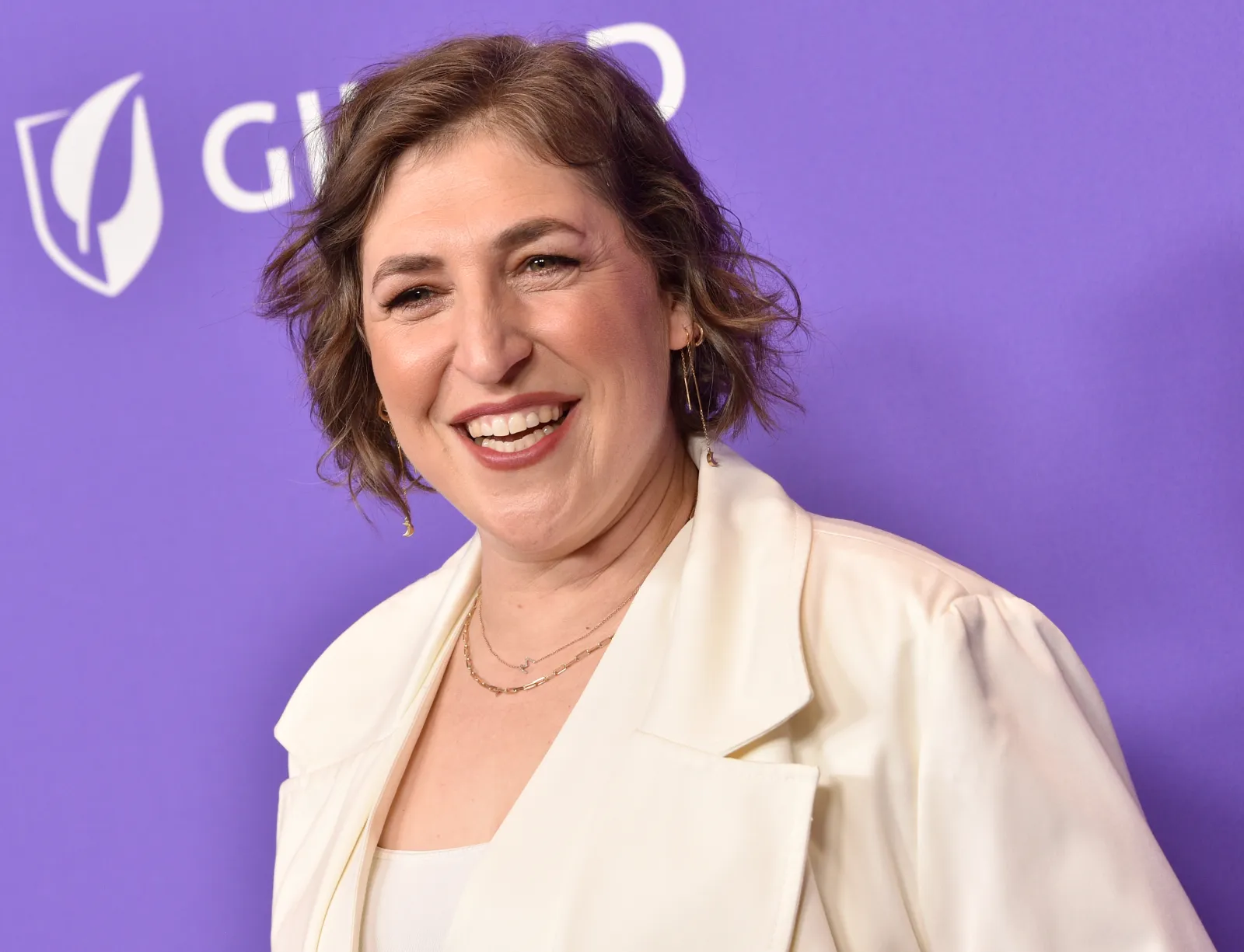
Mayim Bialik was in the hosting seat for the June 1 episode, when Jared Watson, a quality control specialist from Greenville, Texas, was tasked with responding to a question in the Sweet Spots category.
The clue appeared on the screen and Bialik read it out to Watson.
Read More
Unexpected 4-Letter Word Correct Answer Leaves Game Show Contestant In Shock3 min read

‘Jeopardy!’ Writer Posts Pic of Staff on Strike After Ken Jennings Backlash5 min read

‘Jeopardy!’ Contestants’ Lack of Black History Knowledge Called Out5 min read

...
"Founded in Paris, Laduree offers these filled cookies in a rainbow of colors and flavors, including orange blossom," she said.
Watson responded: "What are macaroons?"
Bialik accepted his answer, but corrected his pronunciation using a French accent.
"Yes! Or Macaron," she told him.
Jeopardy! viewers then flocked to Twitter to express their outrage over granting Watson a correct answer. Many pointed out that while macaroons and macarons are both French sweet biscuits with similar ingredients, they are different altogether.
"Macarons... are delicate meringue and almond-flour based sandwich cookies with buttercream, jam, or ganache filling that comes in a variety of flavors," according to Martha Stewart's website.
Whereas macaroons are made when shredded coconut is mixed into a base of whipped egg whites and sugar. They tend to be bigger and denser than macarons.
"#Jeopardy! is really getting inconsistent with their rulings, esp. pronunciations. A MACAROON is not the same as a MACARON. Ask Solzhenitsyn. #gameshow," tweeted one angry fan.
Another added: "Akshually, 'macaroon' and 'macaron' are different. [sic]"
The decision was also controversial because the same episode saw the end of the winning streak of Ben Chan who was toppled over a spelling mistake.
Chan lost his nine-game winning streak when he misspelled a word in his Final Jeopardy answer.
The clue read: "Both of the names of these two lovers in a Shakespeare play come from the latin word for 'blessed.'"
Chan wrote: "Who are Beatrice and Benedict?" but lost out when Bialik revealed to him the character from Much Ado About Nothing was actually "Benedick."
Fans thought Chan should have still been awarded a right answer because he was very close and also because of Watson's pass for saying "macaroon" earlier in the show.
"If macaroon = macaron, then Benedict can = Benedick. #notthesamething #jeopardy 😒," tweeted one person.
And chef Ally Farmer wrote: "a big difference between a macaroon and a macaron. If a guy can lose with one t, this guy should lose with one letter too."
According to Jeopardy! rules, contestants are allowed to spell their answers incorrectly, but they must always align "phonetically" with the correct response.
"Written responses to the Final Jeopardy! clue do not have to be spelled correctly, but they must be phonetically correct and not add or subtract any extraneous sounds or syllables," is the rule, according to the Jeopardy! website.
"For example, "Jepurdee!" would probably be an acceptable spelling in a Final Jeopardy! response."
Watson went on to win the entire episode and $14,000. He remains the reigning champion with a three-game winning streak after taking out Monday's episode.
View 0 Comments
Submit Correction
View Editorial & AI Guidelines