...

By Marni Rose McFall
Reporter
0
Share
Newsweek is a Trust Project member
See more of our trusted coverage when you search.Prefer Newsweek on Googleto see more of our trusted coverage when you search.
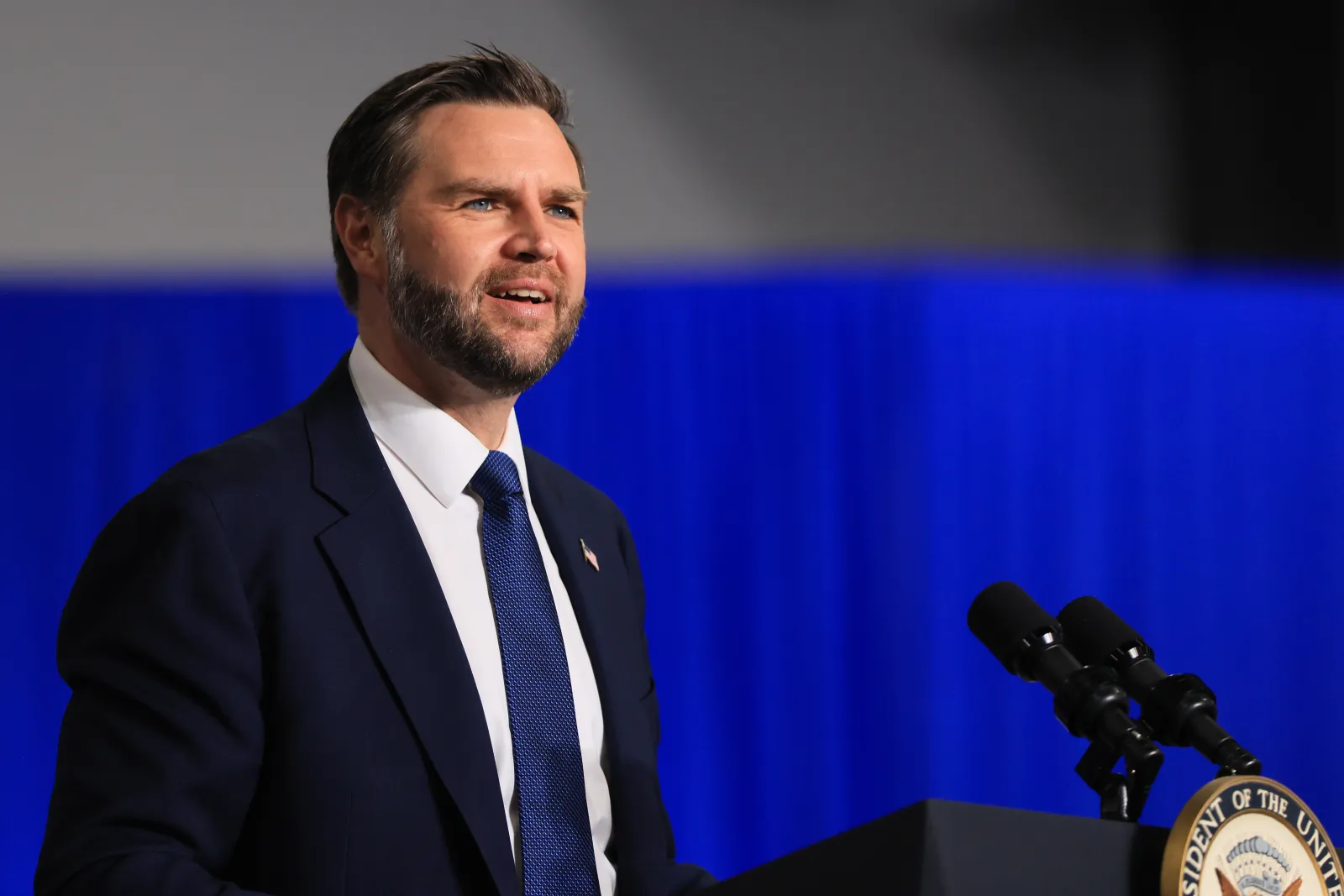
Vice President JD Vance said he is "almost embarrassed," of his previous criticism of President Donald Trump during an appearance on The Diary of A CEO podcast with entrepreneur Steven Bartlett.
Vance, who is currently on a press tour for his new memoir, Communion: Finding My Way Back to Faith, as part of a wider discussion about his life and journey into politics that was published on Thursday.
Bartlett read to Vance quotes from a piece he wrote for The Atlantic back in 2016, and he replied "You always have to be able to acknowledge when you're right and when you're wrong."
Read More on News
He said that reading it now, he is "Almost embarrassed that I wrote it 'cause it was so obviously absurd." He added, "The fact that Donald Trump was misaligned with the military experts and the military leadership of 2016 was a good thing, not a bad thing."
Newsweek breaks down the key moments from Vance’s interview.
Why It Matters
...
As Vance promotes his new memoir, he has made a series of media appearances that come at a critical time for the vice president, amid rampant speculation that a presidential bid may be in his sights for 2028.
During a recent appearance with conservative commentator Megyn Kelly, Vance addressed the growing interest in his political future, telling Kelly that he expects to decide whether to run for president in 2028 after the midterm elections.
“After the midterms, I will eventually have to make that decision," he said.
The promotional tour for his book has also seen the vice president make forays into unfamiliar media territory, including making a debut on The View.
And Bartlett’s podcast is also different media terrain for the vice president. Previous guests on the show include former First Lady Michelle Obama, former Vice President Kamala Harris and California Governor Gavin Newsom.
In recent months though, Bartlett has faced growing criticism, finding himself at the center of a series of controversies including over health misinformation, population decline and remarks on alcohol consumption.
...
On His Previous Criticism of Trump
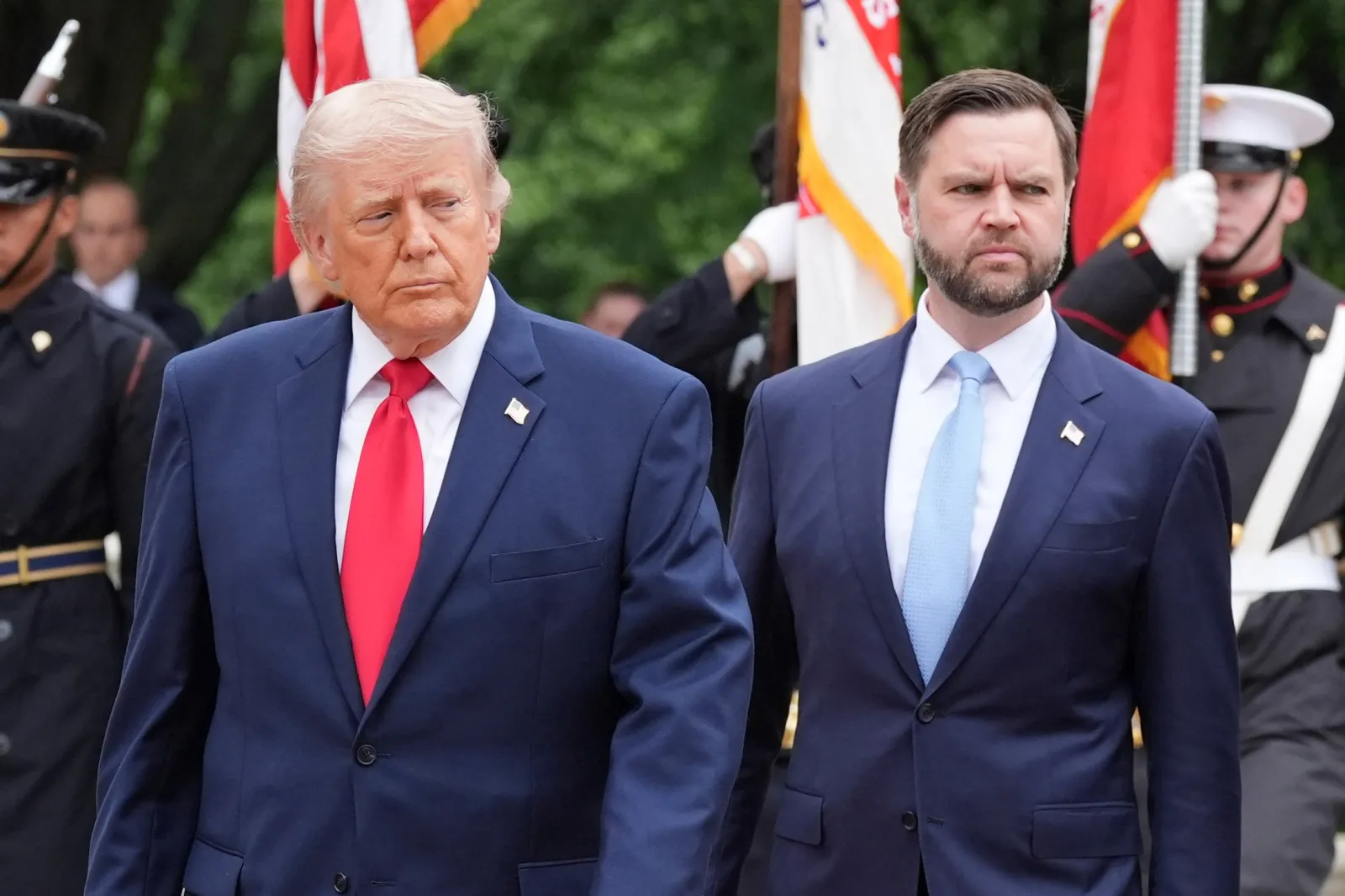
Prior to becoming Trump's vice president, Vance had an extensive record of criticizing the president.
For example, in 2016 during Trump's first presidential campaign, in an interview with Charlie Rose, Vance described himself as a "never Trump guy," and said that he "never liked him."
In the aforementioned article in The Atlantic, he argued that Trump "feels good," to many people but "can't fix America's growing social and cultural crisis," and said in a private message to a law school class mate that Trump was either a "cynical a******," or "America's Hitler."
Referencing these comments, Bartlett asked Vance: "How do you go from that position to Vice President of the same person? What is that journey?”
“A crazy journey, man," Vance replied. "I thought Donald Trump would be a failed president if he got elected. He was not. I thought that America's institutions were fundamentally functioning. They were not. I thought the military leaders who told us this about a war or the scientific experts who told us this other thing about a pandemic were fundamentally, maybe not always right, but fundamentally wise people who were mostly right. I was wrong."
Vance then spoke about the more general perceptions of Trump, and said he is "much different as a human being than the media makes him out to be."
"He's very warm. He's a very, like, loving person to his kids, to his grandkids. He's incredibly generous," he said, adding "He really likes making other people happy. I had no understanding of that from him from the outside. What I would see is, you know, clips of him arguing with a journalist and that was it, and that gives you a very, very one-dimensional view of a person."
On Whether Aliens Are Real
Bartlett asked Vance directly if aliens are real. That possibility is something that has captivated the American public for decades, and in May, the Trump administration released more than 160 files relating to UFOs and UAPs.
The question on this came as part of a regular segment on the show, whereby the last guest leaves a question for the next guest, without knowing who they are.
Vance replied to Bartlett, “It’s interesting,” adding, “Answer is, I don’t know.”
Vance added that he had sworn to himself that he would go through “all of the highly classified information about everything that we know about UFOs", but “I just haven’t done it yet.”

...
Vance then spoke about his religious beliefs and said, “I recognize, that sounds a little out there, but I think that it’s true. And I 100 percent believe that people have mystical experiences.”
Bartlett then asked Vance again directly, “So do you think aliens could be real?” Vance then replied, “I do.”
On Trump and Immigration Policy
Bartlett asked Vance about the administration and its immigration policy, referencing specific comments previously made by Trump.
“That kind of narrative about those individuals, that broad strokes sort of demonization of them, would make people's lives harder and feels unnecessary,” Bartlett added.
Then, speaking more directly on immigration, Bartlett said, “Even if you agree that immigration is a problem, the sort of like, skin color or religion or like ‘Mexicans, rapists, and murderers’ is, might galvanize in the near term, but in the long term, is probably going to sow division and that's probably net negative for society."
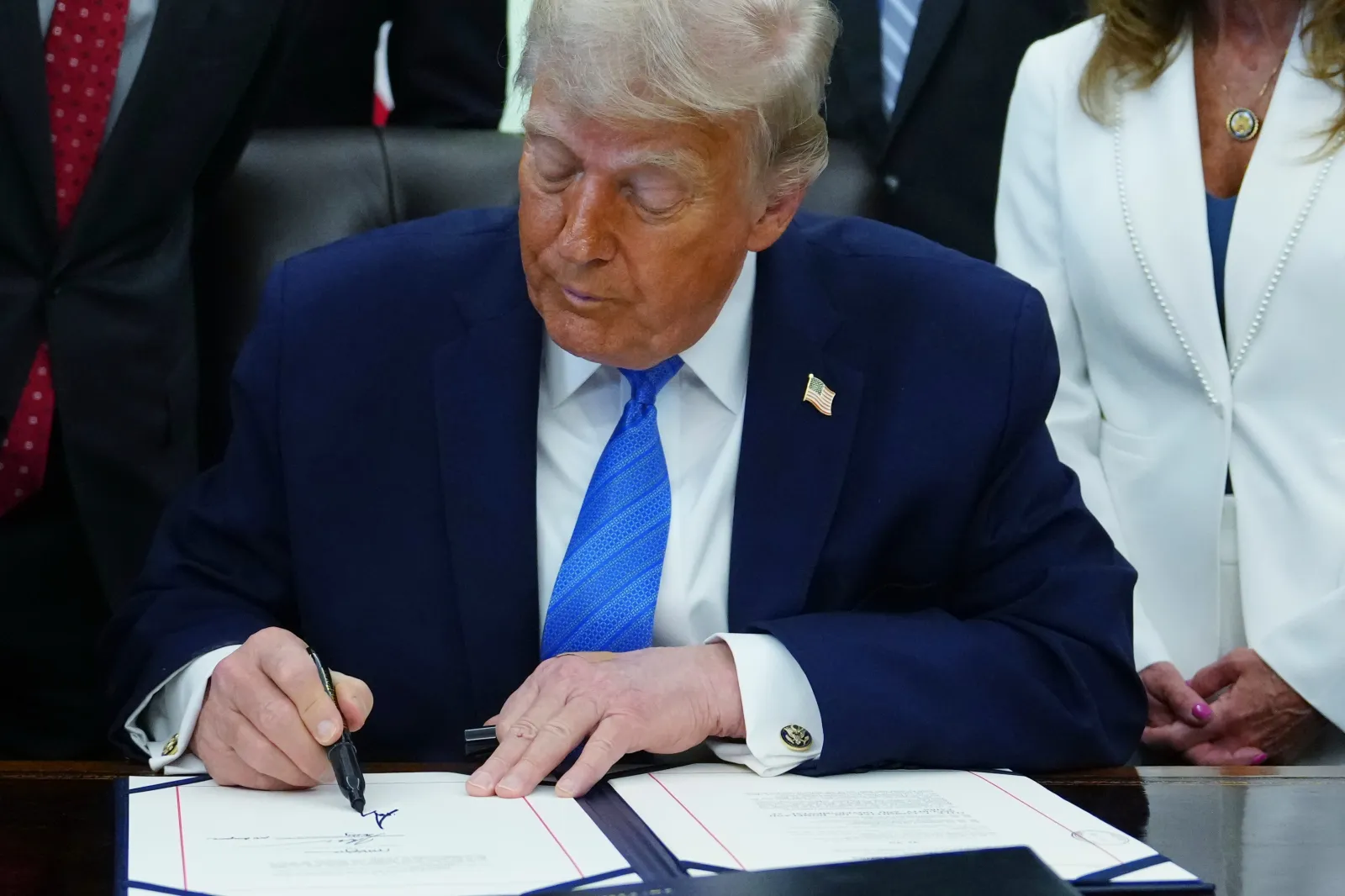
To this, Vance responded that the president's remarks often get taken out of context. "One thing I’d say, just about anything I’ve ever heard the president say, that’s then refracted through the lens of social media or non-social media, is very often what he is accused of saying, he didn’t say it, or he said it in a totally different way, or there is much greater context."
“I do try to understand, fundamentally, like why did a person say that? What are they actually thinking? What are they trying to get across? And again, if you disagree, that's fine.”
...
Bartlett then said that Vance himself wouldn’t have said that, to which he replied, “The president and I certainly have way different styles. Absolutely, we have different styles.”
He added that he and Trump are “extremely closely aligned” on the issue of immigration.
Bartlett then asked about divisive rhetoric and narratives across the West. To this, Vance replied, “What if division is not the result of politicians demonizing certain groups, but what if division is the inevitable consequence of when the population changes too quickly, too fast in a given society?”
Then, speaking more broadly about immigration, Bartlett said that if his family was struggling or in danger, he would move for the sake of his family. Asked if he would do the same, Vance said “No, I don't think I would.”
On the Iran War
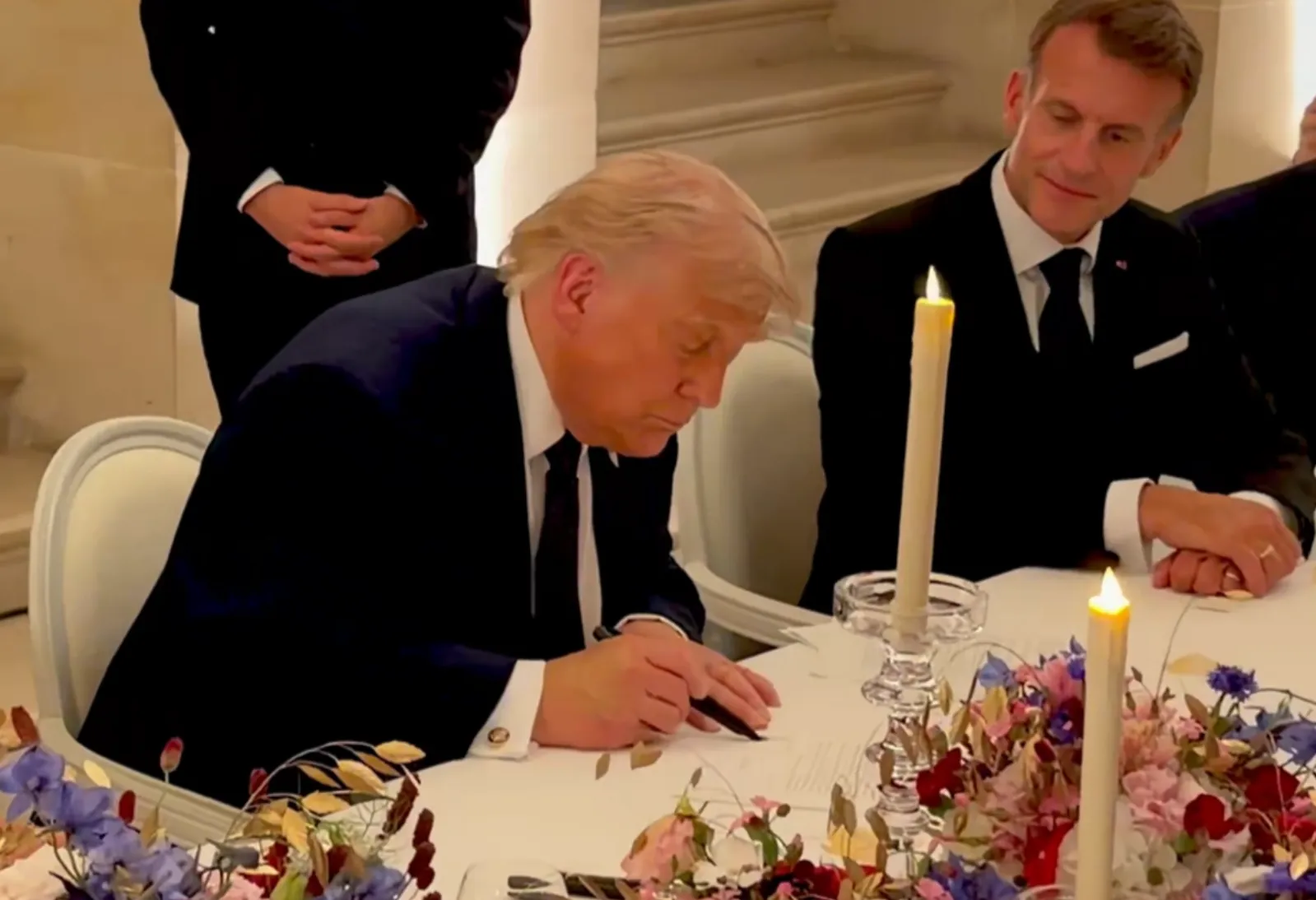
Vance and Bartlett also discussed the Iran war at a critical moment in peace negotiations, with U.S. officials expected to sign a peace deal to end the war in Iran on June 19.
Asked about the deal and how negotiations have been ongoing, Vance said: “This one’s real.”
“People can always change their minds,” he added, “but this one is real.”
...
Vance then outlined what is in the term sheet. The first term outlined was that the Strait of Hormuz be immediately opened.
Then, Vance said the deal “contemplates the Iranians giving up their highly enriched stockpile of material, committing to a long term inspections regime on their nuclear programme and in exchange, having a totally different economic relationship with the United States of America.”
“What this agreement provides is that if the Iranians take significant steps to behave like a normal country, they're gonna get significant reintegration into the world economy,” he added.
Vance also spoke directly about the relationship between Israel and the U.S. He said that Israel is “a good partner,” but “sometimes people mischaracterise it and say that Israel and the United States are fundamentally always aligned.”
“It’s just not true,” he said.
Then, asked by Bartlett if he trusts Israel, said: “You know, I don't trust anybody.”
...
View 0 Comments
Submit Correction
View Editorial & AI Guidelines