10
Loading video...

By Suzanne Blake
Reporter
0
Share
Newsweek is a Trust Project member
See more of our trusted coverage when you search.Prefer Newsweek on Googleto see more of our trusted coverage when you search.
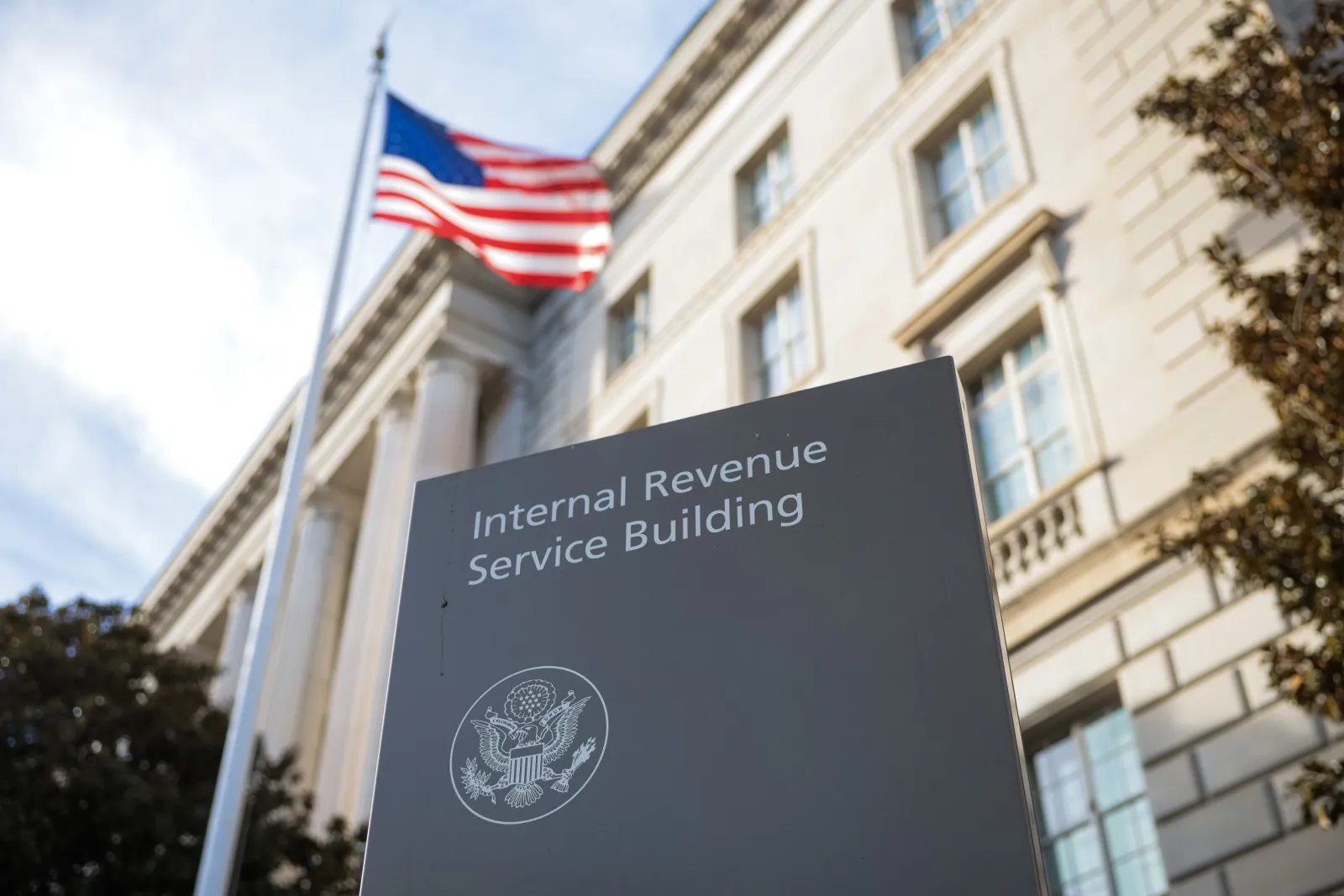
Scams pretending to be the Internal Revenue Service have surged in recent weeks as Americans begin filing their taxes for 2024.
According to cybersecurity company Guardio, Americans experienced a 77 percent increase in IRS-related scam messages in January.
Why It Matters
Americans lose billions of dollars each year to scammers. According to the Federal Trade Commission, roughly $8.8 billion was stolen due to fraud in 2022 alone.
Read More on U.S.
...
What To Know
Guardio noted the spike in IRS-related scam messages in January, noting that the scammers are increasingly "sophisticated" in their schemes.
Victims often fall for the scams as the bad actors pretend to work for the IRS and use scare tactics, telling targets that they need to click on links to solve problems with a tax return, or to obtain unclaimed refunds.
These links are often malicious and allow the scammers to gain access to and steal personal information that could lead to getting into bank accounts and stealing identities.
If taxpayers click on the malicious links, they might be at risk of exposing their Social Security number, bank details or payment credentials.
Experts say the scams typically use language designed to create panic or excitement, with common phrases such as "Your tax return has an error. Act now to avoid penalties!" or "The IRS has flagged your account. Verify your information immediately to avoid legal action."
One specific scam tactic this year leaves Americans under the false impression they could get paid a $1,400 "economic impact payment."
Some of the scam texts read: "You are eligible to receive a $1,400 Economic Impact Payment. Please provide your accurate personal information. We will deposit the amount into your bank account or mail a paper check within 1 to 2 business days."
Urgent messages, requests for sensitive information, misspellings or grammatical errors in the message should be a warning sign that it may be from a scammer.
Taxpayers should avoid clicking on any link sent via message and contact the IRS directly through their website or phone number. The IRS does not contact taxpayers unless you have initiated a request or process with them first.
What People Are Saying
Nati Tal, head of Guardio Labs, told Newsweek: "Scammers are becoming increasingly sophisticated, and with so many distractions in our daily lives, it's more important than ever to stay protected."
Tal added: "If you were prompted to log in to a service like your Google account or bank account after receiving a suspicious message, immediately change the passwords for any accounts that might have been compromised. If you suspect a financial account may have been compromised, notify your bank or credit card provider immediately so they can monitor for fraudulent transactions."
Kevin Thompson, a finance expert and the founder and CEO of 9i Capital Group, told Newsweek: "The surge in these scams is largely due to tax season, as criminals take advantage of the heightened awareness around IRS communications. Many people unknowingly click on fraudulent links or open attachments, believing they are from legitimate sources, only to end up exposing their personal information. The IRS will never email, text, or call you without first sending official correspondence through the mail. Your tax professional should always communicate with you directly and use secure channels to handle sensitive information."
What Happens Next
Those who have been scammed can report the incident to the Federal Trade Commission (FTC) at ReportFraud.ftc.gov.
For tax year 2024, the deadline to file taxes is April 15 unless you have an exemption.
View 0 Comments
Submit Correction
View Editorial & AI Guidelines