...


By Matthew Robinson and Ellie Cook
0
Share
Newsweek is a Trust Project member
See more of our trusted coverage when you search.Prefer Newsweek on Googleto see more of our trusted coverage when you search.
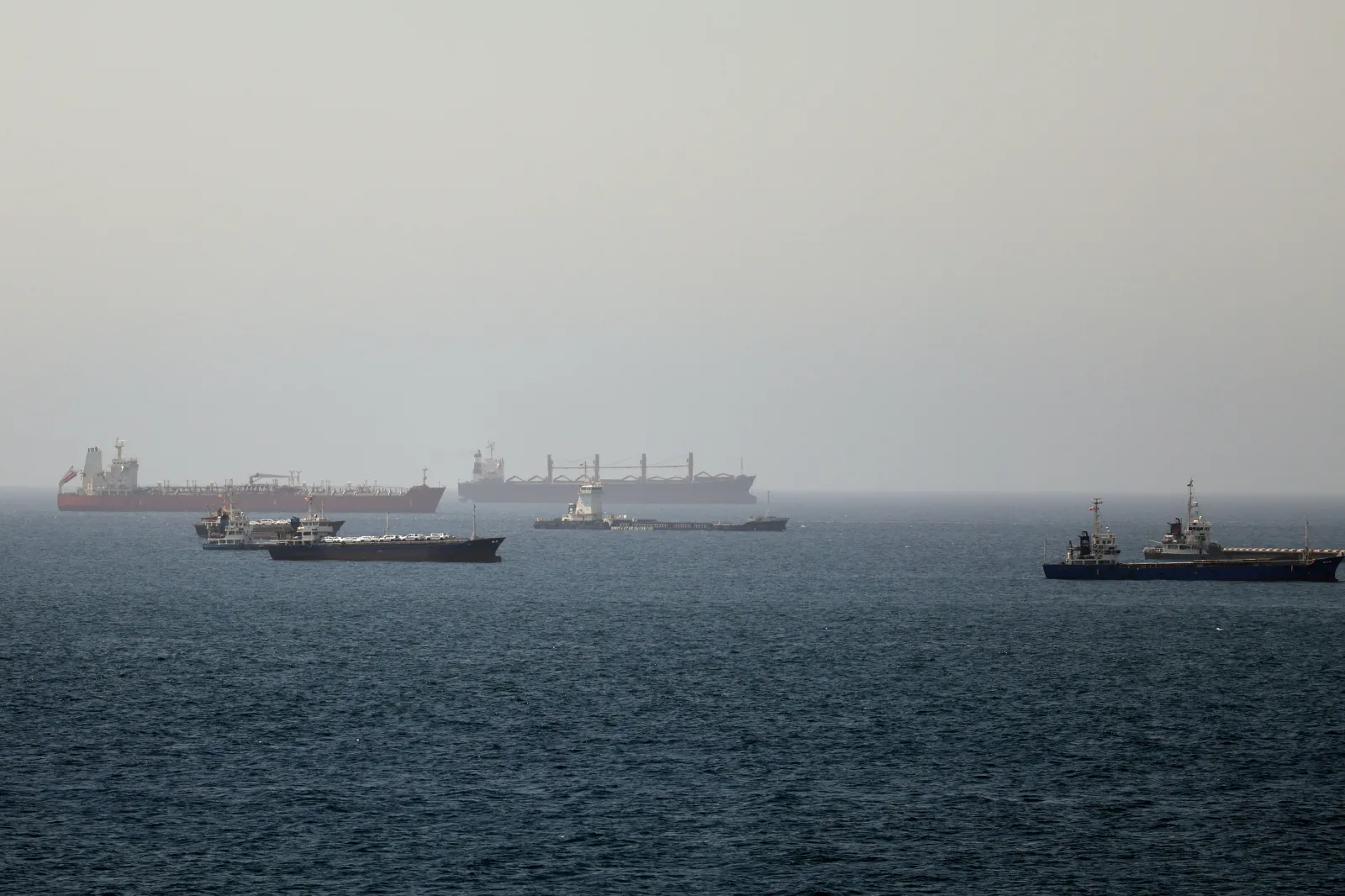
Iranian tankers carrying millions of barrels of crude oil have passed through the U.S. blockade in the Strait of Hormuz shipping route, just days before the details of the U.S.-Iran peace deal are set to be unveiled.
Two Iranian tankers**,** the Diona and Hero II—which are both under U.S. sanctions—made it through the U.S. blockade that has been in place since mid-April, according to marine tracking data.
A third Iran-flagged oil tanker, the Sonia 1, then passed through the strait, trackers show. All three broadcast their locations in the northern Arabian Sea, west of India, within the past 24 hours.
Read More on News
Combined, the vessels were carrying close to 5 million barrels of Iranian crude oil, according to maritime platform, TankerTrackers.
...
The U.S. announced it would prevent ships leaving Iranian ports in April after Pakistan-brokered negotiations disintegrated, in a move designed to economically pressure Iran by cutting off its ability to export oil.
The U.S. military said on Sunday it had "redirected" 142 commercial ships since the blockade started and "disabled" nine other vessels that had not complied with the U.S.-imposed restrictions.
The American blockade has been layered over Iran's own control of the vital Strait of Hormuz shipping lane, with Tehran threatening to attack any ships it deems unfriendly in response to the U.S.-Israeli strikes that started the Iran war in late February.
Pressure has mounted on the U.S. as President Donald Trump and his administration failed to loosen Iran's chokehold on the strait, through which a fifth of the world's oil and gas typically travels, as well as fertilizer supplies needed to ensure food sources for swathes of the global population.
The U.S., Iran and Pakistan said Sunday a deal had been reached, although officials have not yet released the text of the agreement and media leaks make up much of the detail currently known about the accord. U.S. lawmakers on both sides of the aisle have clamored to see the draft page-and-a-half document, while conflicting information has emerged from U.S. and Iranian sources on the terms of the deal.
But Trump has said the strait will be "completely open," and said Monday ships loaded with oil had started to pass through the waterway.
At least three Iranian oil tankers, as well as two cargo ships, made it through the U.S. blockade, Iranian state-controlled media reported on Tuesday.
Iran's PressTV outlet said the vessels had sailed through the strait late on Monday, marking the first "victory" of the U.S. and Iran's memorandum of understanding, which has been signed by both countries and will be ceremonially inked in Switzerland on Friday.
Update 6/17/2026 at 9:01 a.m. ET: This article was updated with additional information.
View 0 Comments
Submit Correction
View Editorial & AI Guidelines