
...

Brendan Cole
Senior Reporter
0
Share
Newsweek is a Trust Project member
See more of our trusted coverage when you search.Prefer Newsweek on Googleto see more of our trusted coverage when you search.
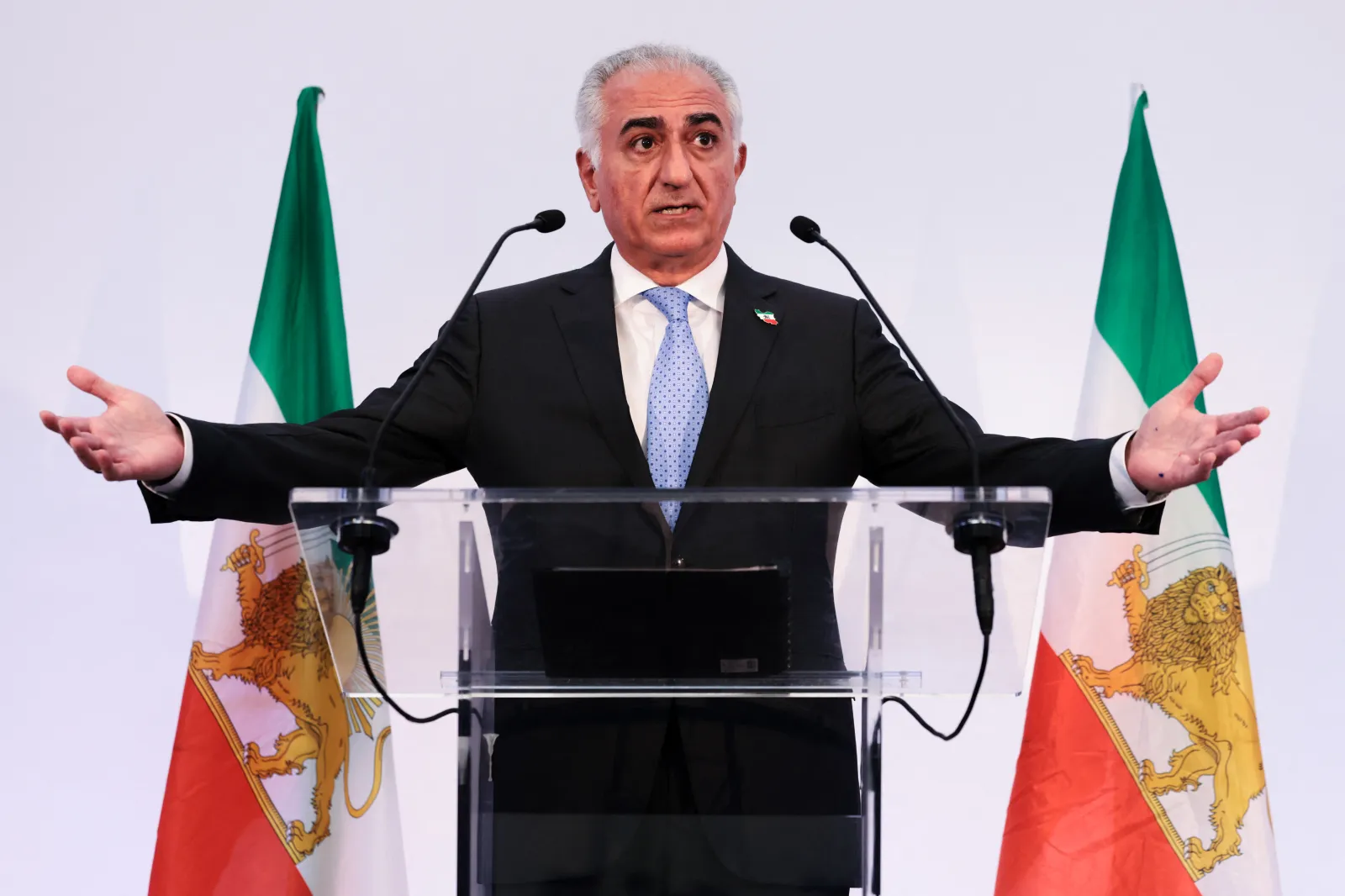
Iran’s exiled opposition leader, Reza Pahlavi, his issued a New Year's message to his compatriots that “the current regime has reached the end of the road" in comments that come as protests in the country have escalated and turned fatal.
Pahlavi, the son of the last Shah of Iran, Mohammad Reza Pahlavi, who was toppled in the 1979 Islamic Revolution that brought clerical leaders to power, referred to demonstrations in recent days that followed the collapse of the currency, the rial.
Several people were killed overnight into Thursday, according to Iranian media and rights groups, marking the first reported deaths in the unrest. Pahlavi posted on X that “the tide of history is turning” as it called on the international community to stand with the country.
Read More on News
Newsweek has contacted the Pahlavi and the Iranian Foreign Ministry for comment.
...
Why It Matters
The son of Iran’s last monarch, Pahlavi is a key figure pushing for a secular, democratic country. Pahlavi’s New Year’s message comes on the heels of anti-government protests months after the ruling regime was shaken by a 12-day war with Israel and strikes on its nuclear facilities.
What To Know
Pahlavi’s posted on X a message suggesting there could be change in Iran noted how people risked their lives in protests against the government’s handling of the economy.
“The dawn of a new era in Iran is upon us,” he wrote, adding that “brave compatriots are on the streets in cities and towns across our country—fighting for their freedom.”
He said that the regime in Tehran was at its most fragile and as such, “unable to suppress the courage of a rising nation” as he said that the growing protests show “this year will be the definitive moment for change.”
He called on the international community to stand with the people of Iran to push for a new, democratic Iran which will usher in “an era of prosperity and security.”
“The tide of history is turning,” he wrote, “I invite you not only to witness the birth of a new Iran, but to stand by our side as we achieve it.”
His post came amid unrest that poses a problem for Iran's clerical rulers as Western sanctions hurt an economy already facing 40 percent inflation. Merchants, shop owners and students have been demonstrating for days and closing major bazaars.
The semi-official Fars news agency and rights group Hengaw reported overnight Wednesday there were deaths in the cities of Lordegan, Kuhdasht, and the central province of Isfahan. Protests also took place on Thursday in Marvdasht in the southern Fars province, Reuters reported, citing the activist news site HRANA.
The escalation of protests poses a problem for a government already weakened by Israeli and U.S. airstrikes in June which targeted the country's nuclear infrastructure.
Iran expert Hamidreza Azizi told Newsweek on Wednesday, before the latest unrest, the authorities have turned to more indirect and relatively passive measures to contain the unrest compared with previous waves of protests.
He said that the government is aiming to prevent the protests from turning violent and has shown greater restraint than in past episodes of repression, at least for now, so as to prevent openings for foreign intervention.
What People Are Saying
Exiled Iranian opposition figure Reza Pahlavi on X: “The current regime has reached the end of the road. It stands at its most fragile: weak, deeply divided, and unable to suppress the courage of a rising nation.”
Hamidreza Azizi, research fellow at German think tank SWP Berlin: “The authorities have turned to more indirect and relatively passive measures to contain the unrest. These include canceling university classes and moving them online, citing cold weather, air pollution, and related concerns.
Azizi added: “That said, the possibility of harsher and more violent measures cannot be ruled out if the leadership begins to feel increasingly threatened by the protests.”
What Happens Next
Tehran has responded to the protests with an offer of dialogue. Government spokesperson Fatemeh Mohajerani said Thursday that the authorities would hold discussions with trades unions and merchants, without specifying when.
View 0 Comments
Submit Correction
View Editorial & AI Guidelines