...

By Dan Gooding
Associate News Editor
0
Share
Newsweek is a Trust Project member
See more of our trusted coverage when you search.Prefer Newsweek on Googleto see more of our trusted coverage when you search.
Iranian officials warned Wednesday that they would fully block exports and imports across the Persian Gulf region if the United States does not lift its blockade on the Strait of Hormuz.
The country's state media reported that the commander of Iran's joint military command issued the threat, which covered the Sea of Oman and the Red Sea.
“Iran will act with strength to defend its national sovereignty and its interests,” Ali Abdollahi said, per the Associated Press.
Read More
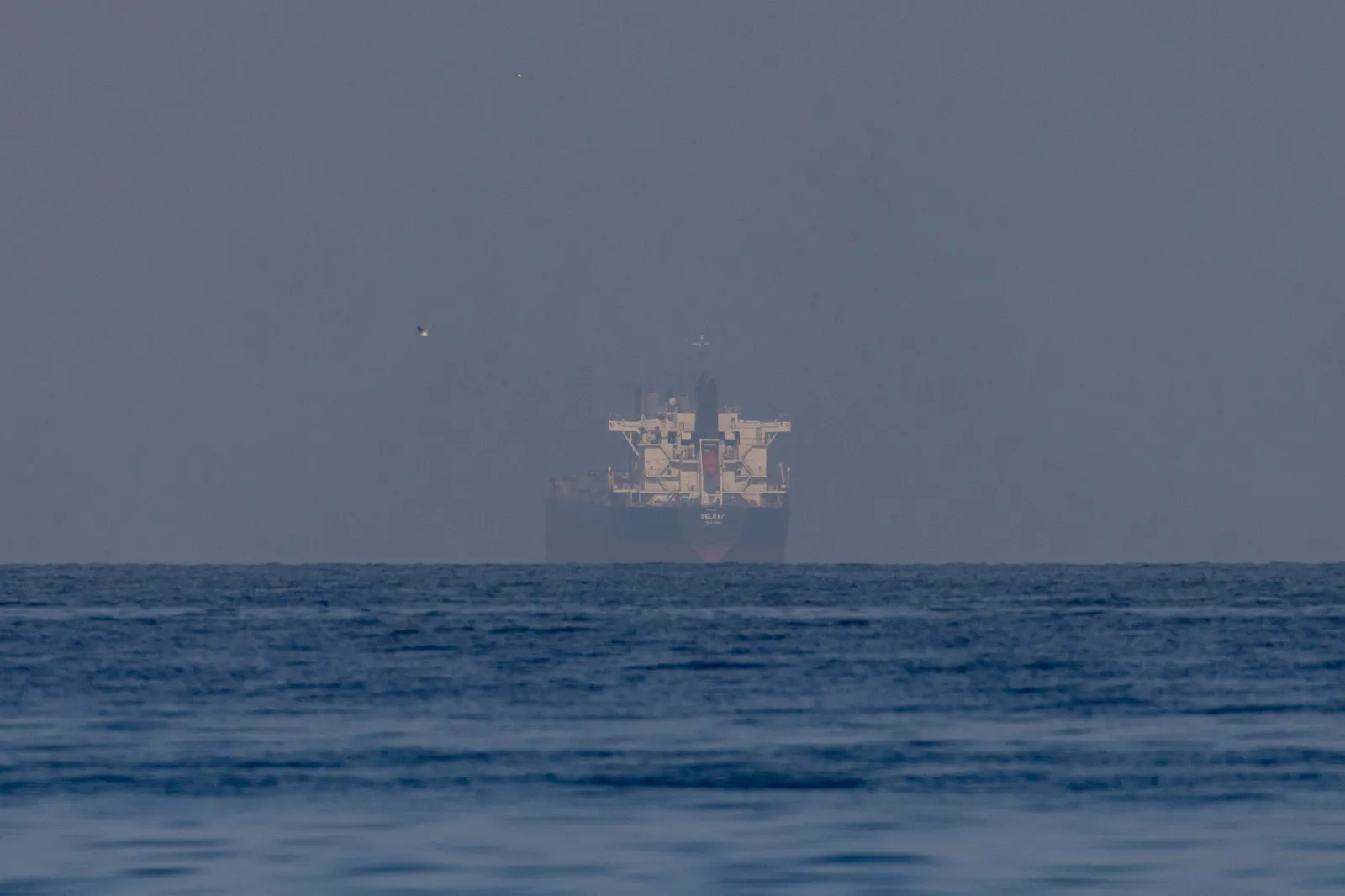
Iran had effectively closed the Strait of Hormuz, a key shipping route, when the U.S. and Israel began their strikes at the end of February. After a brief opening following a ceasefire deal, the strait was closed off again, before the U.S. then blockaded ships trying to enter or leave Iranian ports beginning Monday.
Iran's Response to US Blockade
...
In his statement broadcast by Iranian state television, Abdollahi said Iran would move to disrupt shipping routes in the Red Sea and elsewhere if the U.S. continued its blockade, initiated by President Donald Trump.
"The powerful armed forces of the Islamic Republic will not allow any exports or imports to continue in the Persian Gulf, the Sea of Oman, and the Red Sea," the commander of the Khatam al-Anbiya Central Headquarters said.
The U.S. blockade had created insecurity for Iran's commercial vessels and oil tankers, Abdollahi said, accusing the U.S. of using the tactic to violate the ongoing ceasefire.
Newsweek reached out to the Pentagon for comment via email Wednesday morning.
Is the Strait of Hormuz Open?
The situation in the Strait of Hormuz remains complicated. When a ceasefire was brokered, Iran agreed to reopen the shipping route crucial for a large share of the world's oil supply. When Israel continued to strike Lebanon, Iran closed it off again.
Trump threatened to impose the blockade after talks to further a fragile ceasefire ended without a deal this past weekend. Iran had previously halted nearly all tanker traffic through the waterway, allowing only some ships perceived as friendly to pass while charging considerable fees.
Vessel traffic through the Strait of Hormuz is less than 10 percent of its pre-Iran war average of about 138 transits per day, with the U.S. blockade—and the potential for Iranian retaliation—adding more uncertainty for shipping lines and their insurers, despite U.S. calls to return to business as usual.
Enforcing the blockade is likely to demand significant resources from the U.S. Navy and could prompt concerns about military force and international law, experts say. Supply chain analysts, meanwhile, stress that the restrictions could undermine the flow of oil, fertilizer, food and other goods to consumers already facing higher prices.
What Happens Next
A U.S. official told the Associated Press on Wednesday that the U.S. had not officially agreed to extend the ceasefire with Iran, and that engagement continued. Iran, for its part, said it needed to be able to continue enriching uranium as part of any future deal.
This article contains reporting by The Associated Press.
Update 4/15/26, 10:26 a.m. ET: This article was updated with additional information.
View 0 Comments
Submit Correction
View Editorial & AI Guidelines