10
Loading video...

By Jordan King
Reporter
0
Share
Newsweek is a Trust Project member
See more of our trusted coverage when you search.Prefer Newsweek on Googleto see more of our trusted coverage when you search.
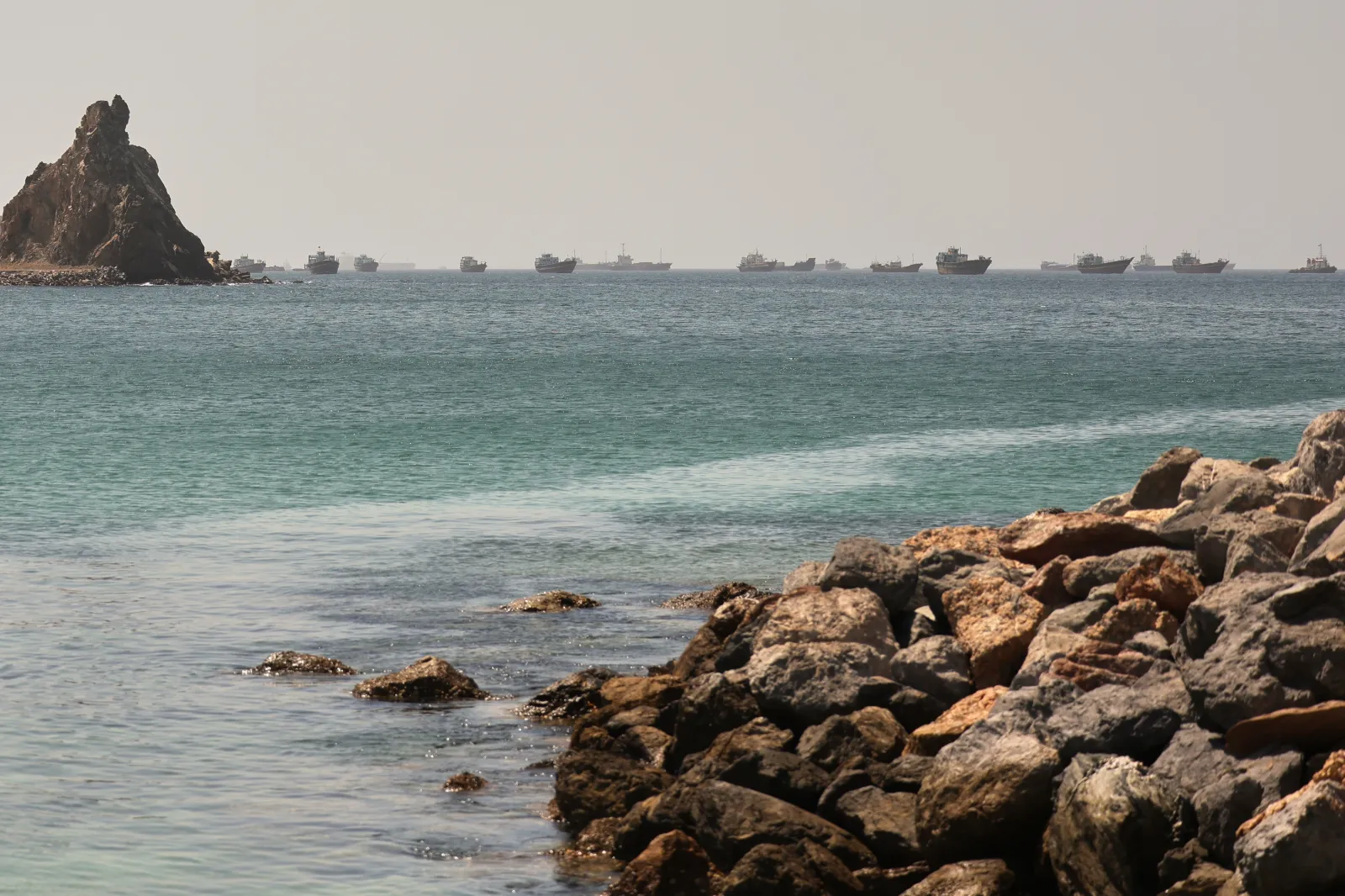
Iran has warned that it will not reopen the Strait of Hormuz unless the United States meets six sweeping demands, including lifting sanctions, withdrawing military forces from around the country and paying compensation for two wars.
Mohammad Bagher Zolghadr, secretary of Iran’s Supreme National Security Council, said Saturday that the strategically important waterway would remain closed until Washington "corrects its behavior." His statement was published by Iran’s state-run news agency, IRNA.
Zolghadr described the conditions as demands of the Iranian people and said the council would not back down "either in war or in negotiations."
Read More on News
The warning casts fresh uncertainty over efforts to restore commercial shipping through the strait.
It comes despite Reuters reporting on Friday that an unnamed U.S. official had said Iran and neighboring Oman were nearing an agreement on new shipping arrangements.
Newsweek has contacted the U.S. State Department and the White House, outside of normal working hours, for a response.
...
Iran’s Six Demands
Zolghadr said "correcting" Washington’s behavior would require the U.S. to take the following six steps:
- End threats and insults: The U.S. must never threaten Iran "in any language" or insult what the Iranian people consider sacred.
- Permanently end military action: Washington must end warfare and aggression against Iran and its allies in Lebanon, Palestine, Yemen and Iraq.
- Lift the naval blockade and withdraw forces: The U.S. must end its naval blockade and remove its naval and air forces from the area surrounding Iran.
- Pay compensation for two wars: Washington must fully compensate Iran for the damage caused by what Zolghadr characterized as two imposed wars of aggression.
- Remove sanctions: The U.S. must lift what Zolghadr called "unjust and illegal" sanctions imposed on the Iranian people.
- Release frozen Iranian assets: Washington must unconditionally release assets belonging to the Iranian people that have been frozen or seized.
What Is the Latest in the Strait of Hormuz Standoff?
Iran’s demands come as Tehran and Oman attempt to finalize a temporary arrangement governing shipping through the strait. The Associated Press, citing two people familiar with the negotiations, reported that the proposal would see vessels enter through a route close to Iran and leave through one near Oman without paying fees or tolls during the interim period.
The arrangement is intended to revive an earlier U.S.-Iran agreement and restart a 60-day period for negotiations over Tehran’s nuclear program. Oman said the discussions were proceeding in a "positive and constructive atmosphere," while condemning attacks on vessels in the strait.
However, tensions remained high after the United Arab Emirates accused Iran of firing a missile at a vessel belonging to the state-owned Abu Dhabi National Oil Company. No casualties were reported. The company said 15 of its vessels had been targeted since the U.S. and Israel went to war with Iran in February.
Iran appears to be betting that its leverage over the strait, through which about one-fifth of the world’s traded oil and gas passed before the war, will force Washington to make concessions. Formalizing Iranian control over part of what was previously treated as an open international waterway would represent a significant strategic victory for Tehran and challenge established norms governing freedom of navigation.
The strategy also carries risks for Iran. U.S. and Israeli strikes have damaged the country’s military and industrial infrastructure, while the American blockade has restricted oil exports.
Contact Newsweek editors for this story: Matthew Robinson and Robert Greenall
View 0 Comments
Submit Correction
View Editorial & AI Guidelines