
Dean_Fikar/Texas farm

By Sam Stevenson
Associate News Editor
0
Share
Newsweek is a Trust Project member
See more of our trusted coverage when you search.Prefer Newsweek on Googleto see more of our trusted coverage when you search.
A new pest is invading Texas and destroying pastures in the region, according to the Lone Star State’s Department of Agriculture (TDA).
Why It Matters
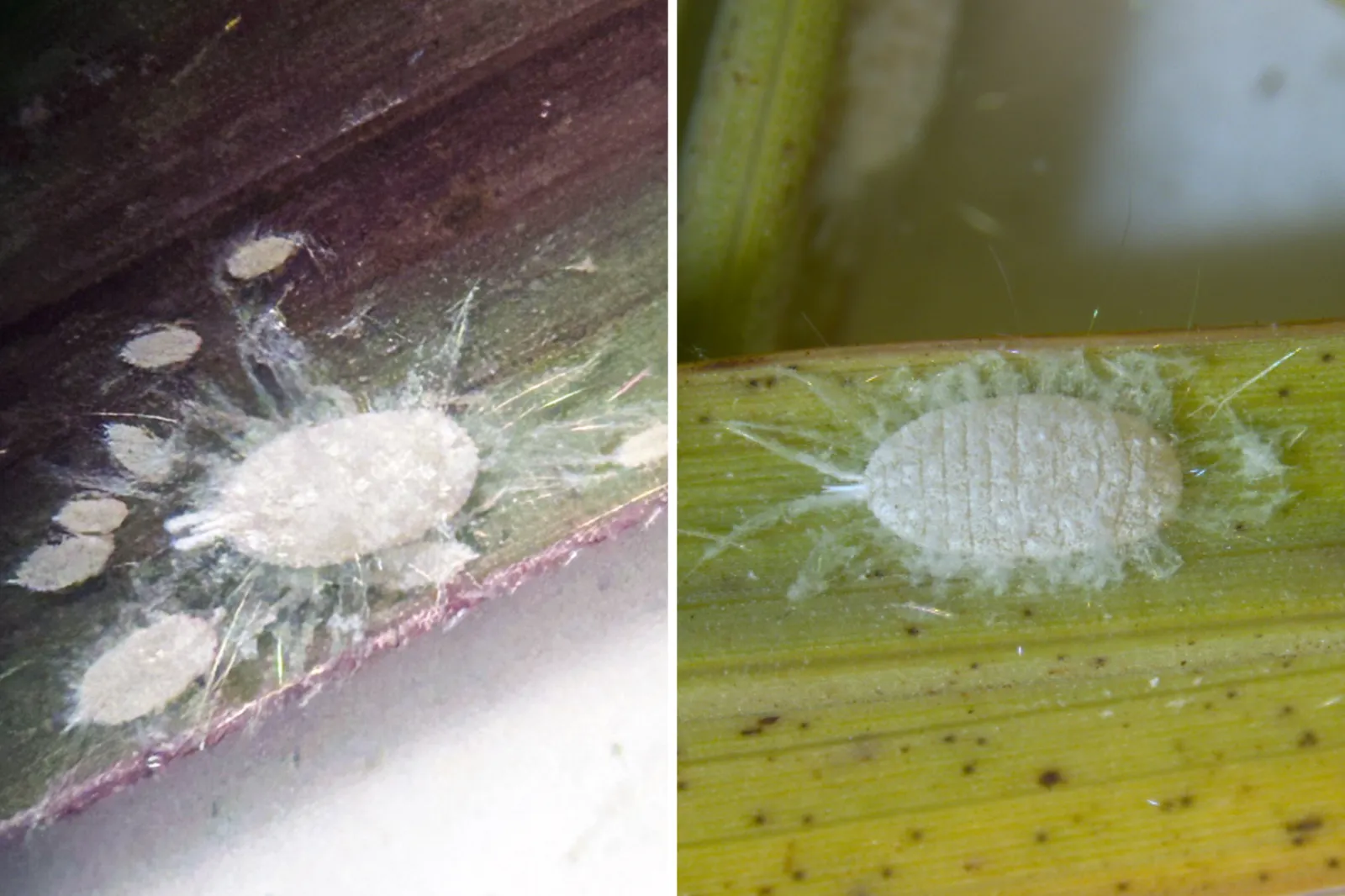
An outbreak of the pasture mealybug (Heliococcus summervillei), previously undocumented in North America, is "already causing significant damage to pasture acreage", Texas Commissioner of Agriculture Sid Miller has warned.
Read More on Environment
Texas leads the U.S. in cotton production and relies heavily on grazing lands, making rapid response crucial for the state’s agricultural economy and rural communities.
Damage from these pests can significantly reduce crop yields and livestock capacity, with broader implications for the national food supply and commodity markets.
...
What To Know
The TDA has confirmed detections of the invasive pasture mealybug in at least 20 counties, including areas in and around Houston.
The pests, which are not native to North America, have previously caused significant agricultural damage in other parts of the world, such as Australia.
"This is a completely new pest to our continent, and Texas is once again on the front lines," Miller said in an official statement.
The 20 counties already reporting infestations include Cameron, Hidalgo, Willacy, Refugio, Calhoun, Victoria, Goliad, Dewitt, Lavaca, Fayette, Jackson, Matagorda, Brazoria, Galveston, Wharton, Colorado, Austin, Washington, Burleson, Brazos, and Robertson.
What Is The Pasture Mealybug?
Pasture mealybugs attack grazing lands, leaving pastures yellowed, weakened, and eventually dead.
Adult females are approximately 2-5 mm long, covered in a white, waxy coating. They are capable of producing nearly 100 offspring within 24 hours, resulting in several generations per season.
While adult females can live for up to 100 days, most damage is inflicted by the youngest nymphs, which feed on plant sap and inject toxic saliva that causes grass to yellow, weaken, and die.
Affected pastures often exhibit patches of dead or drought-stressed grass, which can appear within a week of infestation.
The bugs primarily attack tropical and subtropical grasses such as Bermudagrass, Bahia grass, Johnsongrass, and various bluestem species. Broadleaf plants, including legumes and brassicas, are not targeted.

...
What People Are Saying
Miller said: "If the pasture mealybug spreads across Texas grazing lands like it has in eastern Australia, it could cost Texas agriculture dearly in lost productivity and reduced livestock capacity. TDA is working hand-in-hand with federal and university partners to respond swiftly and protect our producers from this unprecedented threat."
What Happens Next
Experts urge ranchers to report suspected infestations and to clean equipment before moving between pastures to limit the bug's spread.
The TDA is actively collaborating with Texas A&M AgriLife Extension, the U.S. Department of Agriculture Animal and Plant Health Inspection Service, and local producer organizations to "coordinate a rapid response and protect Texas producers."
View 0 Comments
Submit Correction
View Editorial & AI Guidelines