10
Loading video...

By Daniella Gray
Reporter
0
Share
Newsweek is a Trust Project member
See more of our trusted coverage when you search.Prefer Newsweek on Googleto see more of our trusted coverage when you search.
For millions of Americans taking GLP-1 medications, eating less comes naturally. Ensuring they get enough protein, fiber and other key nutrients is where the challenge begins.
With roughly one in eight U.S. adults reporting that they take a GLP-1 medication, according to data from KFF, experts say paying close attention to nutrition is increasingly vital.
Helene Konsker, a bariatric dietitian at White Plains Hospital in New York, encourages her patients to adopt a simple "protein-first" shopping strategy.
Read More on Health
"Instead of planning meals around carbohydrates or convenience foods, build your shopping list by choosing a protein source for every meal and snack before adding fruits, vegetables and whole grains," she told Newsweek.
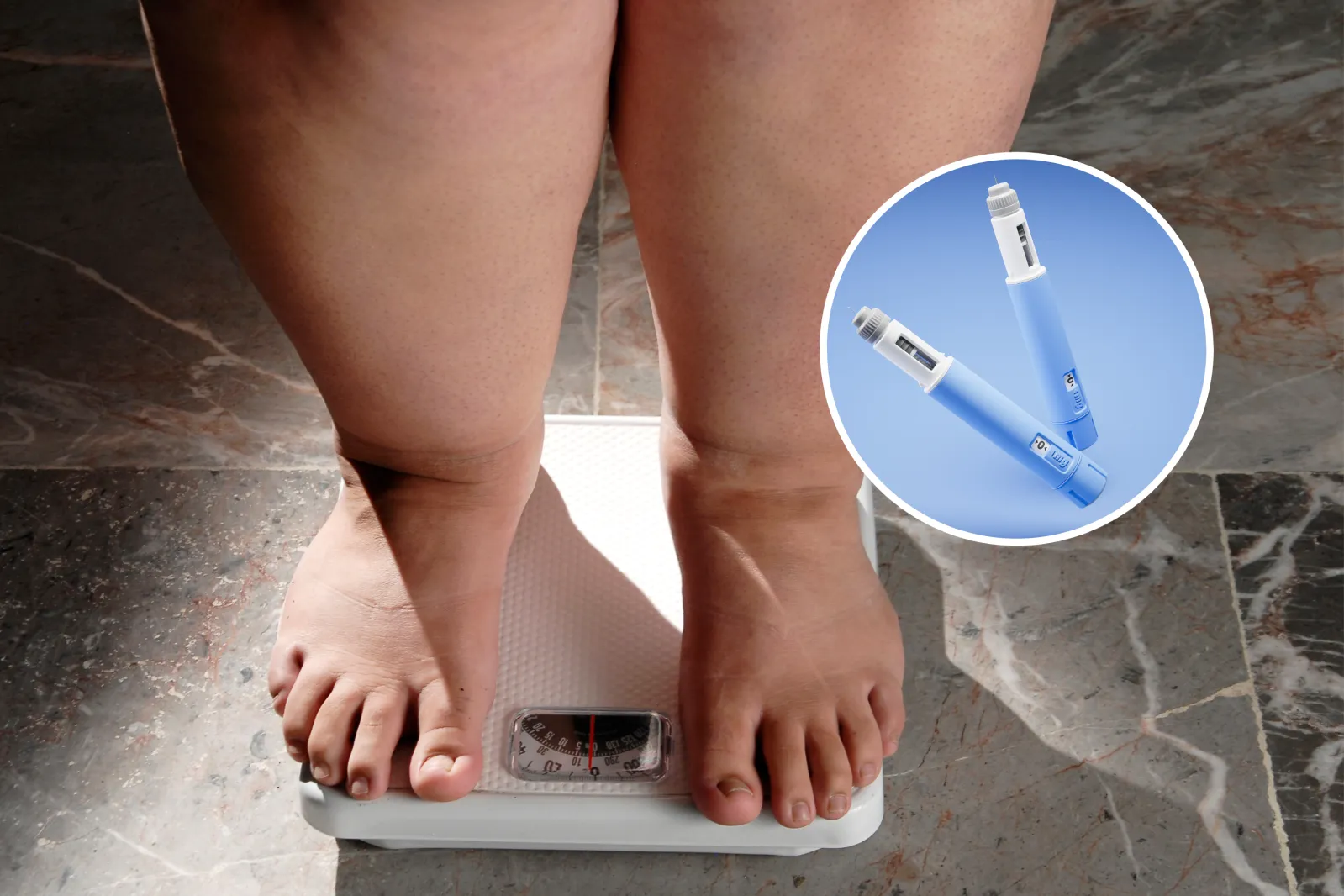
GLP-1 medications mimic a hormone involved in appetite regulation, helping people feel fuller for longer, reducing hunger and slowing the movement of food through the stomach. As a result, many users naturally eat less and lose weight.
"Once protein needs are covered, fill the rest of your cart with fiber-rich produce, whole grains and healthy fats to support digestive health and overall nutrient intake," Konsker said. "When appetite is limited, every bite should provide meaningful nutrition."
Related Story
Why Some People Shed More Pounds on Weight Loss Drugs
Related Story

You Lost the Weight. So Why Are You Ashamed of the Ozempic?

...
Here are the 15 foods she recommends most often to patients taking GLP-1 medications.
1. Greek Yogurt
Plain, high-protein Greek yogurt provides roughly 15 to 20 grams of protein per serving and is often easy to tolerate during periods of nausea.
It can be eaten as a meal or snack and helps patients meet protein goals even when appetite is low, Konsker said.
2. Cottage Cheese
"Cottage cheese is high in casein protein, which supports muscle maintenance," Konsker said.
Its soft texture also makes it easier to eat on days when solid meals seem unappealing.
3. Eggs
Small but nutrient-dense, eggs provide complete protein, meaning they contain all nine essential amino acids the body cannot make on its own and must get from food.
"They are quick to prepare and usually well tolerated if cooked simply," Konsker added.
4. Frozen Salmon
Salmon and other oily fish offer a combination of high-quality protein and heart-healthy omega-3 fats.
Frozen options make portion control easy while reducing waste.
5. Rotisserie Chicken
Convenience matters on GLP-1 medications.
Pre-cooked chicken removes the barrier of preparing meals while still providing lean protein.
"It can be added to salads, wraps or soups," Konsker said.
6. Ready-to-Drink Protein Shakes
Many GLP-1 users struggle to eat enough food to meet their nutritional needs. Protein shakes containing 20 to 30 grams of protein can help boost intake during periods of nausea or poor appetite.
Konsker believes protein shakes make for a better alternative to protein bars, which are often highly processed.
"Some contain ingredients such as maltitol or erythritol that can increase bloating, gas or diarrhea in sensitive individuals," she said.
7. Frozen Berries
Rich in fiber and antioxidants, berries can be added to smoothies, yogurt or cottage cheese.
They are also one of several foods that may help combat constipation.
8. Lentils
Lentils deliver fiber and plant protein.
Konsker recommended keeping canned or vacuum-packed varieties on hand because they're easy to add to meals.
9. Oats
Oats contain beta-glucan, a type of soluble fiber associated with digestive benefits.
"They are gentle on the stomach and can be prepared as overnight oats for convenience," Konsker said.
10. Kiwifruit
"Constipation is one of the most common side effects of GLP-1 medications because they slow stomach emptying and can reduce overall food and fluid intake," Konsker explained.
Kiwifruits provide vitamin C, hydration and fiber.
"Increase fiber gradually and ensure adequate fluid intake, as adding fiber without enough fluids may worsen constipation," Konsker added.
11. Chia Seeds, Hemp Seeds and Flax
These tiny ingredients deliver fiber, omega-3 fats and minerals in a very small serving.
They can be stirred into yogurt, oats or smoothies.
"Start with small amounts and increase gradually," Konsker said.
12. Frozen Vegetables
Frozen vegetables offer nutrition comparable to fresh produce while lasting much longer.
"They reduce food waste and help increase fiber without extra shopping trips," Konsker said.
13. Edamame
Edamame stands out because it provides fiber, complete plant protein, iron and folate all in one food.
It works well as either a snack or side dish.
14. High-Fiber Whole Grain Bread
Konsker recommended choosing breads that provide at least 3 to 5 grams of fiber per serving.
They can also serve as a convenient base for protein-rich foods such as eggs, chicken or cottage cheese.
15. Bone Broth and Reduced-Sodium Soups
On days when nausea makes eating difficult, liquids can be easier to tolerate.
Bone broth and protein-rich soups provide hydration, electrolytes and gentle nutrition.
"Choose versions with added protein when possible," Konsker added, who also recommends including protein throughout the day rather than relying on a single high-protein evening meal.
"Pairing adequate protein with regular resistance exercise is the most effective strategy for preserving muscle during weight loss," she said.
Contact Newsweek editors for this story: Kara Dolman and Anthony Murray.
View 0 Comments
Submit Correction
View Editorial & AI Guidelines