...

By Sam Stevenson
Associate News Editor
0
Share
Newsweek is a Trust Project member
See more of our trusted coverage when you search.Prefer Newsweek on Googleto see more of our trusted coverage when you search.
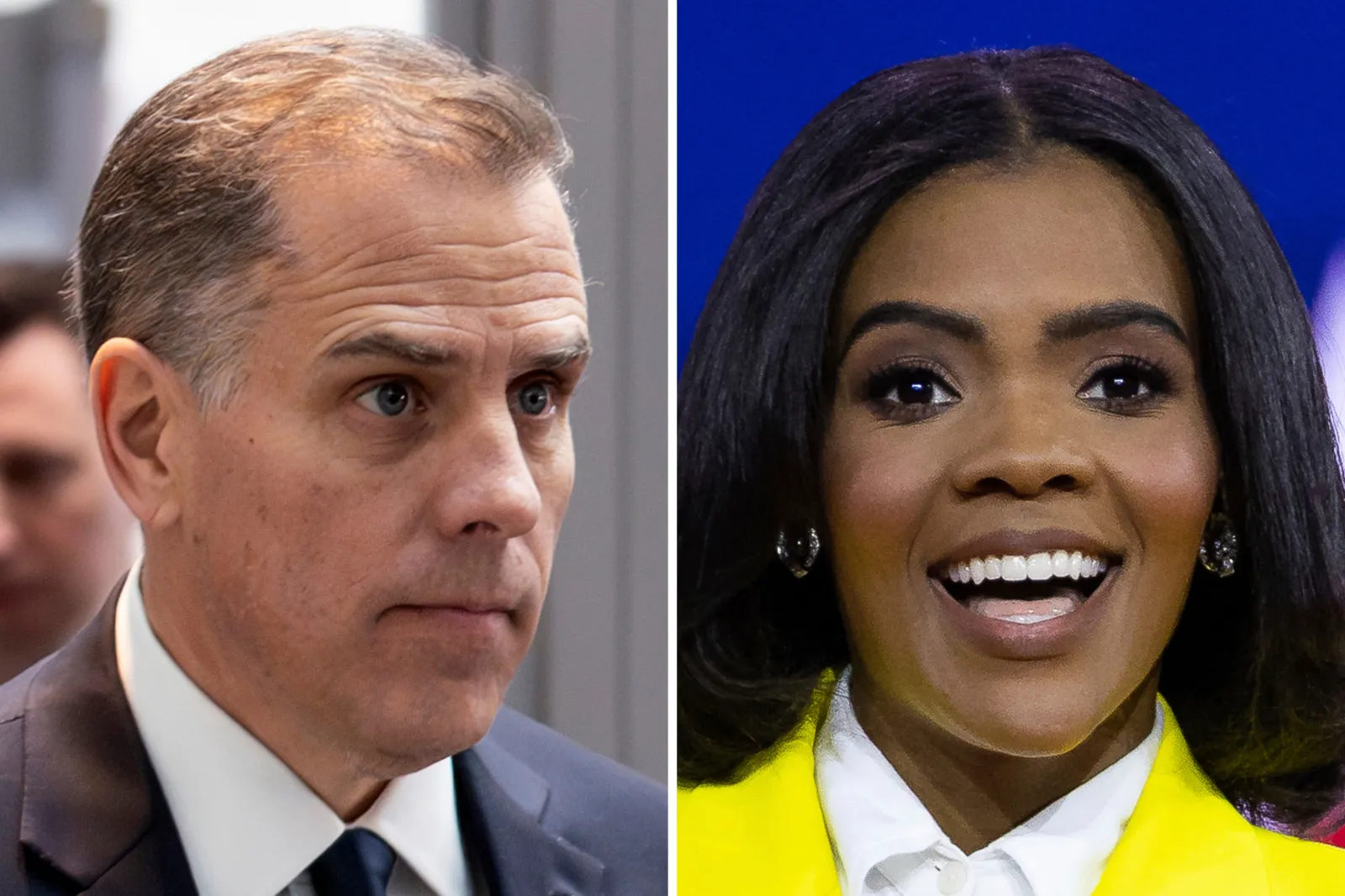
Hunter Biden’s sit-down chat with conservative podcaster Candace Owens marked a striking shift from years of public attacks to a wide-ranging, and at times emotional conversation that crossed politics, addiction and faith.
Five Key Moments
- Biden and Owens questioned official narratives around President Donald Trump's assassination attempts
- He said the cocaine found in the White House was not his
- Biden acknowledged his past addiction, saying he “was a crackhead”
- Owens apologized for years of attacks, prompting an emotional response
- The pair bonded over faith and discussed a possible trip to the Vatican
Read More on News
Biden sat down with Owens for a nearly two-hour podcast interview released Thursday, May 21, 2026, covering addiction, political controversies and their years-long public feud.
The unlikely pairing highlights how political opponents are increasingly appearing on shared platforms and engaging audiences across ideological divides.
The interview touched on controversies surrounding the Biden family, Trump and broader questions about media narratives and public trust.
...
Why It Matters
Owens had spent years attacking Biden, including repeatedly mocking his addiction, making the tone of the interview notably different from past exchanges. It also comes amid wider distrust of political institutions, with both figures airing skepticism about media coverage and elite narratives.
They Questioned Trump Assassination Attempts
One of the most contentious exchanges came when the conversation turned to the attempted assassinations of Trump.
Owens questioned whether the public was expected to accept the official accounts at face value, asking if people were really meant to believe “he survived four assassination attempts.”
Biden agreed with her skepticism, saying the situation did not appear to fully make sense.
He Said White House Cocaine Was Not His
Owens put a long-running question directly to Biden at the start of the interview: whether the cocaine found inside the White House in 2023 belonged to him.
“No,” Biden responded, adding that he had been “clean and sober” since 2019 and was not even present in the area where the substance was discovered.
The exchange revisited one of the most widely circulated controversies involving Biden during his father’s presidency.
Biden Acknowledged His Past Addiction
The interview repeatedly returned to Biden’s struggle with substance abuse, which he addressed in blunt terms.
“I’ve heard you call me a crackhead many times,” he told Owens. “And the truth of it is I was a crackhead.”
He linked his addiction to the death of his brother Beau in 2015, describing how his life spiraled before he ultimately became sober.
Reflecting on the years since, Biden said maintaining his sobriety amid intense scrutiny had been his most significant achievement.
Owens Apologized, Prompting An Emotional Response
In one of the most striking moments, Owens acknowledged her role in amplifying attacks against Biden over his addiction.
“I feel… terrible,” she told him, apologizing for repeatedly mocking him and contributing to what she described as a cycle of public humiliation as details of his private life became widely shared.
Biden became emotional during the exchange, telling her the apology “means the world,” as the conversation shifted away from confrontation toward something closer to reconciliation.
They Bonded Over Faith And Discussed The Vatican
Later in the interview, Owens asked Biden about his Catholic faith, steering the conversation into more personal territory around belief and redemption.
An emotional Biden praised her relationship with her audience, saying: “Your audience absolutely trusts you. And the reason that they trust you is because you’ve shown an enormous amount of courage of speaking your mind.”
He then suggested the two should travel to the Vatican together, an unexpected moment that reflected how far the tone of the conversation had shifted.
Owens replied, “You should go to confession.”
“Don’t worry,” Biden responded. “I’ve been to confession.”
The exchange captured the unusual closing tone of the interview—part philosophical, part personal—underscoring how a conversation that began with political tensions ended on a markedly different note.
View 0 Comments
Submit Correction
View Editorial & AI Guidelines