...

By Jordan King
Reporter
0
Share
Newsweek is a Trust Project member
See more of our trusted coverage when you search.Prefer Newsweek on Googleto see more of our trusted coverage when you search.
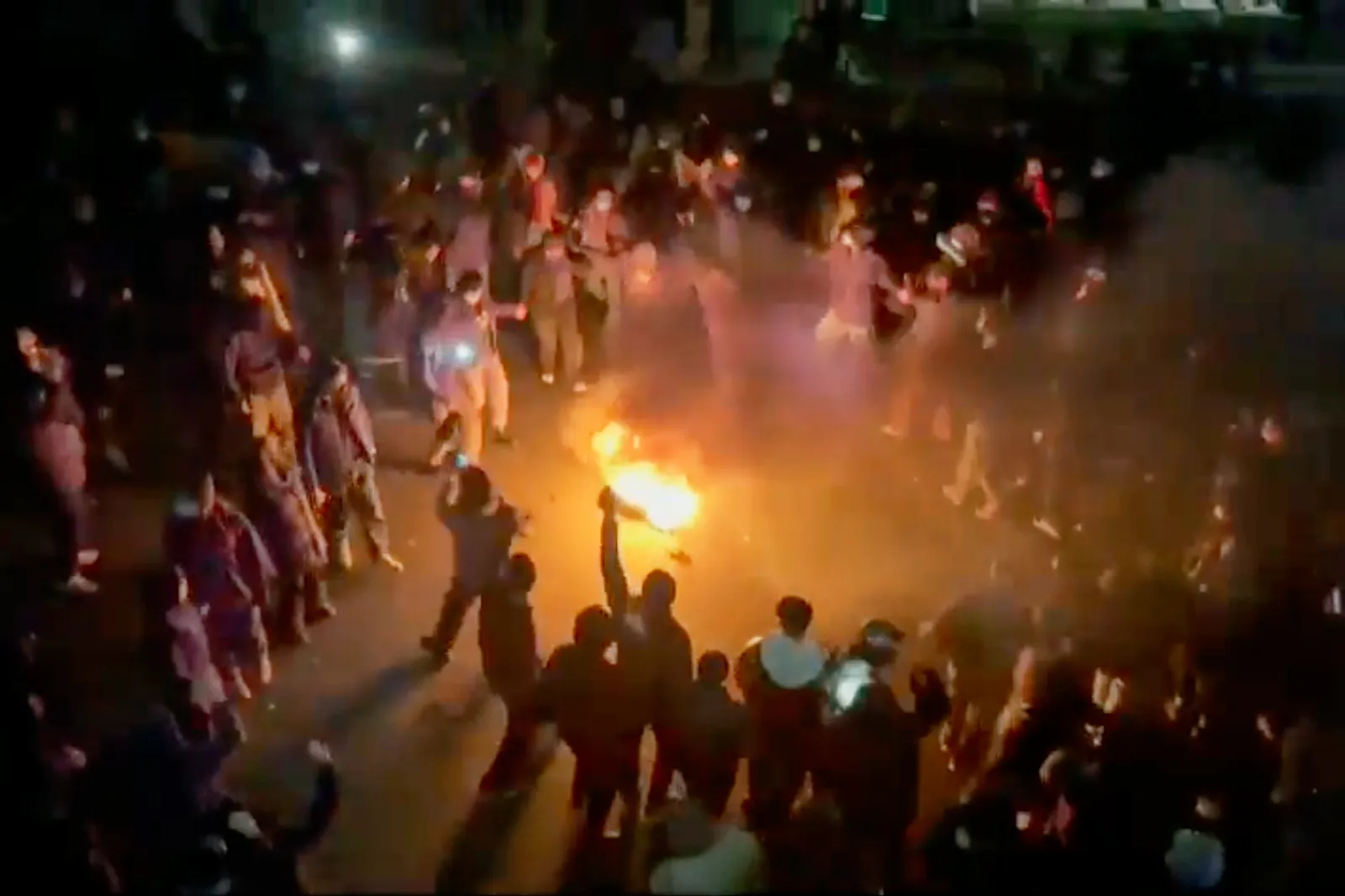
Thousands have been reported dead in the protests that have rocked Iran for nearly three weeks.
It can be difficult to find a single, definitive figure because few international news organizations are permitted to report freely from inside Iran, while most domestic media is state-run or tightly restricted.
The country consistently ranks near the bottom of global press-freedom indexes—it came 176th of 180 in 2025 in Reporters Without Borders' ranking. "As the country’s media is largely controlled by the Islamic regime, the main sources of news and information come from media outlets that are based abroad," the press freedom organization says. "Journalists and independent media in Iran are constantly persecuted by means of arbitrary arrests and very heavy sentences handed down after grossly unfair trials before revolutionary courts."
Read More on News
State authorities can also impose internet blackouts and surveillance to prevent coverage of protests and dissent, as they have done during the current unrest.
What Does The Iranian Government Say?
On Tuesday, an Iranian official told Reuters that around 2,000 people had been killed in the unrest, including civilians and security personnel, and blamed “terrorists” for these deaths.
Iranian government spokesperson Fatemeh Mohajerani said on Tuesday: "The government sees security forces and protesters as its children. To the best of our abilities, we have tried and will try to listen to their voices even if some have tried to hijack such protests.”
Others Estimate a Higher Death Toll
In an update on Wednesday morning, U.S.-based Human Rights Activists News Agency (HRANA) said that 2,571 people had been killed so far, according to Reuters. In HRANA’s most recent report on Tuesday, it said that it had verified the deaths of 2,403 protesters, which included 12 children and nine non-protesting civilians. It also said that 147 members of security forces and government supporters have been killed, including at least five civilians. Other reports point to a death toll as high as 3,000—Newsweek has been unable to verify these.
Newsweek has contacted the Iranian Ministry of Foreign Affairs and the Iranian Mission to the United Nations, via email, for comment.
...
Why Iran May Hang Protesters
Mohammad Movahedi Azad, Iran’s attorney general, said on Saturday that demonstrators would be considered an “enemy of God” (mohareb), a death penalty charge, according to the Associated Press.
People have been killed for this charge in Iran before. During the last major uprising in 2022, following the death of Mahsa Amini in police custody, Majidreza Rahnavard was accused of fatally stabbing two Basij militia guards during a protest and subsequently was charged with moharebeh and executed.
In one prominent case, the family of 26-year-old protester Erfan Soltani told BBC Persian he was due to be executed on Wednesday. The BBC has since reported that, as of Wednesday morning, it is unclear whether this has taken place.
Trump said that America would take “very strong action” if Iran started hanging protesters.
"I haven't heard about the hanging. If they hang them, you're going to see some things... We will take very strong action if they do such a thing," Trump told CBS News in an interview.
What Sparked Protests in Iran?
The unrest began over economic grievances—the falling value of Iran's rial and skyrocketing inflation—but quickly evolved into a political confrontation against the country's theocratic establishment.
Demonstrations have spread across dozens of cities, with protesters openly calling for political change. Security forces have responded with mass arrests, lethal force and sweeping internet shutdowns.
Iran’s leadership blames foreign enemies for the unrest, accusing America of trying to "manufacture a pretext for military intervention," warning that "this playbook has failed before.”
U.S. President Donald Trump has threatened intervention–both diplomatically and militarily–announcing on Monday that any countries doing business with Iran would face a 25 percent tariff “on any and all business being done with the United States of America.”
View 0 Comments
Submit Correction
View Editorial & AI Guidelines