
10
Loading video...

By Joe Edwards
Reporter
0
Share
Newsweek is a Trust Project member
See more of our trusted coverage when you search.Prefer Newsweek on Googleto see more of our trusted coverage when you search.
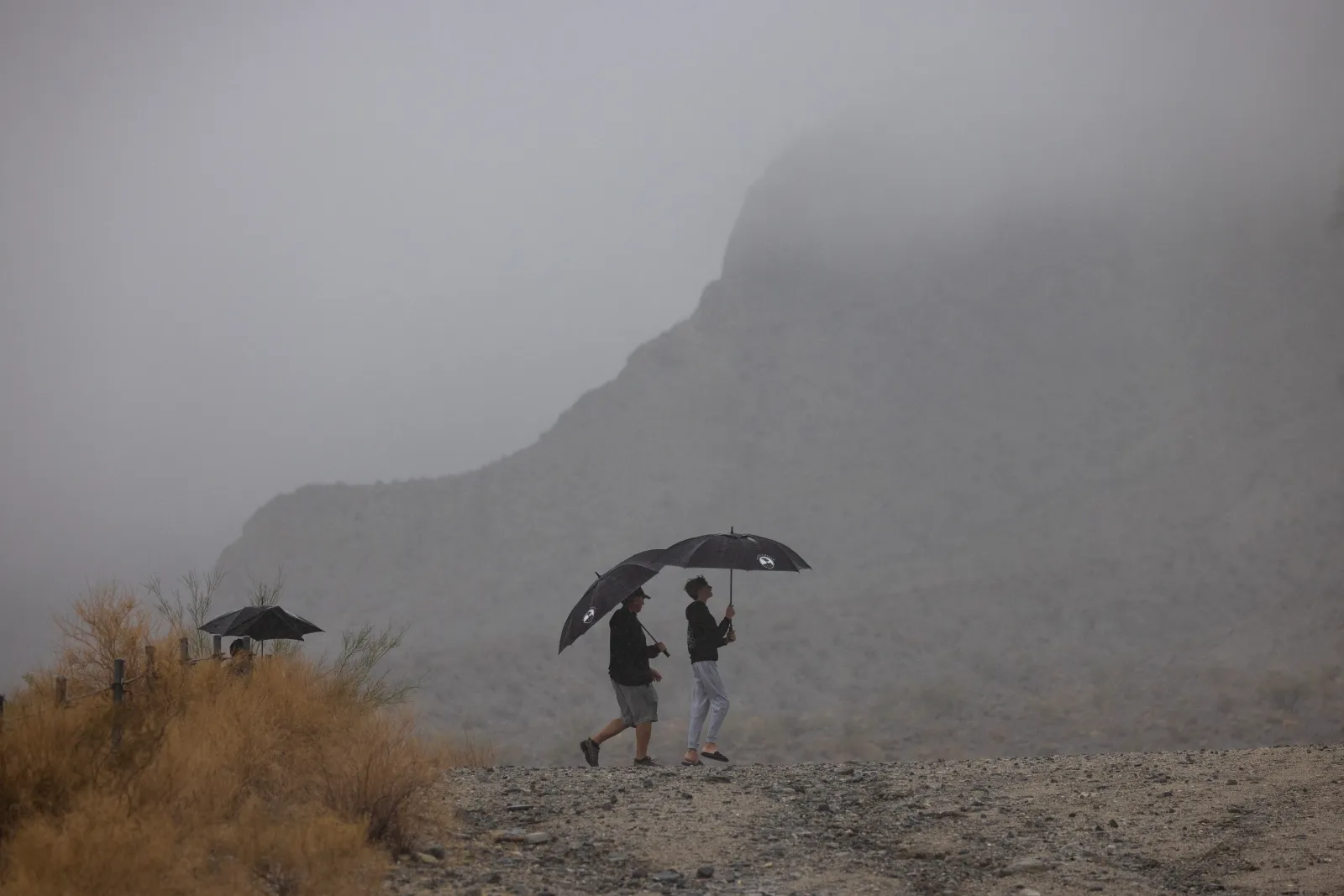
Texas and Florida could face wetter, stormier conditions this winter as a powerful El Niño reshapes weather patterns across the country.
Newsweek spoke with experts about the possible effects on both states, including increased rainfall, drought relief and the potential for more “storms and some wild weather,” although experts stressed that El Niño influences the odds of particular conditions rather than guaranteeing individual events.
What Is El Niño?
El Niño is a naturally recurring climate pattern associated with warmer waters in the Pacific that can influence temperatures and rainfall worldwide.
Read More on Weather
In the U.S., typical El Niño effects can include wetter conditions across the South and warmer, drier conditions in the North during winter.
Forecasters around the world are pointing to an event that could be historic, with far-reaching consequences. “This El Niño is a powerful one that will rearrange the fall and winter patterns across the continental U.S.," FOX Weather meteorologist Bob Van Dillen told Newsweek.
Related Story
Map Shows How ‘Wrecking Ball’ El Nino Will Impact Regions Around World
How Will El Niño Impact Texas and Florida?
Van Dillen said Texas and Florida will see “major impacts in the form of more storms and some wild weather."
“The very warm equatorial Pacific waters are currently helping to energize the subtropical Jetstream and draw it farther south than usual—and most of the weather disturbances will follow along underneath it like a stormy conga line,” he said.
This fall and winter, the jet stream is expected to sweep into California, move across the Four Corners region, pass through Texas, and continue toward Florida.
As a result, the Lone Star State may experience increased rainfall and more frequent storms. However, if those systems interact with a surge of Arctic air, widespread ice storms could develop, Van Dillen said.
“On the plus side, it will hammer a dent into the drought Texas currently is under. The temperatures will be kept cooler than usual, but that is because of the cloud cover and rain,” the meteorologist said, adding that Arctic outbreaks will be less frequent with the El Niño pattern.
Florida could experience similar weather effects, according to Van Dillen, with powerful storms rolling through the Sunshine State. “With the extra juice off the Gulf, they will be good rain producers as well,” he said, which could also offer some drought relief. Tornadoes could also pose a threat, he said.
“As far as confidence goes, we can look back at similar El Niño events in the past for some guidance. [The] 1997-98 [year] was a powerful El Niño, and it produced more tornadoes than average. A February outbreak caused seven tornadoes in one night in Central Florida. Confidence is high that we will see similar, if not worse El Niño chaos in Texas and Florida this fall and winter.”

...
How El Niño Stacks the Weather Odds
Matt Jones, a meteorologist and weather presentation manager at The Weather Channel, similarly pointed to an increased likelihood of certain conditions but cautioned that El Niño cannot predict individual weather events.
“From Texas to Florida, you will more than likely have rainfall totals higher than average and temperatures near average by the end of winter,” he told Newsweek.
“El Niño influences the averages and the odds. It will likely tell you if the deck is stacked for or against you, but it cannot tell you what card is next,” Jones explained.
Jones said that “El Niño does not directly cause an increase in flooding events, tornado outbreaks or even southern snow."
"Our tendency is to lump El Niño into a group with other meteorological events such as nor’easters, clippers, blizzards, etc. However, we have to think of El Niño as an influencer not a driver to what will happen this winter,” he said.
El Niño can make certain conditions more likely without determining whether any particular weather event will occur, Jones added.
“If you are playing a game of darts, El Niño isn’t going to get you a bullseye. El Niño will put more darts in your hand to stack the odds in your favor for throwing a bullseye,” Jones said. “El Niño will not create a storm system that could bring tornadoes across the South. It will help influence the amount of moisture across the region, help increase the number of southern storms that will pass through, and help increase the shear in the mid-levels of the atmosphere. These are all ingredients that will stack the odds to produce more tornadoes.”
Newsweek’s reporters and editors used Martyn, our AI assistant, to produce this story. Learn more about Martyn here. Contact Newsweek editors on this story: Anthony Murray and Ben Kelly.
View 0 Comments
Submit Correction
View Editorial & AI Guidelines