...

By Jasmine Laws
Reporter
0
Share
Newsweek is a Trust Project member
See more of our trusted coverage when you search.Prefer Newsweek on Googleto see more of our trusted coverage when you search.
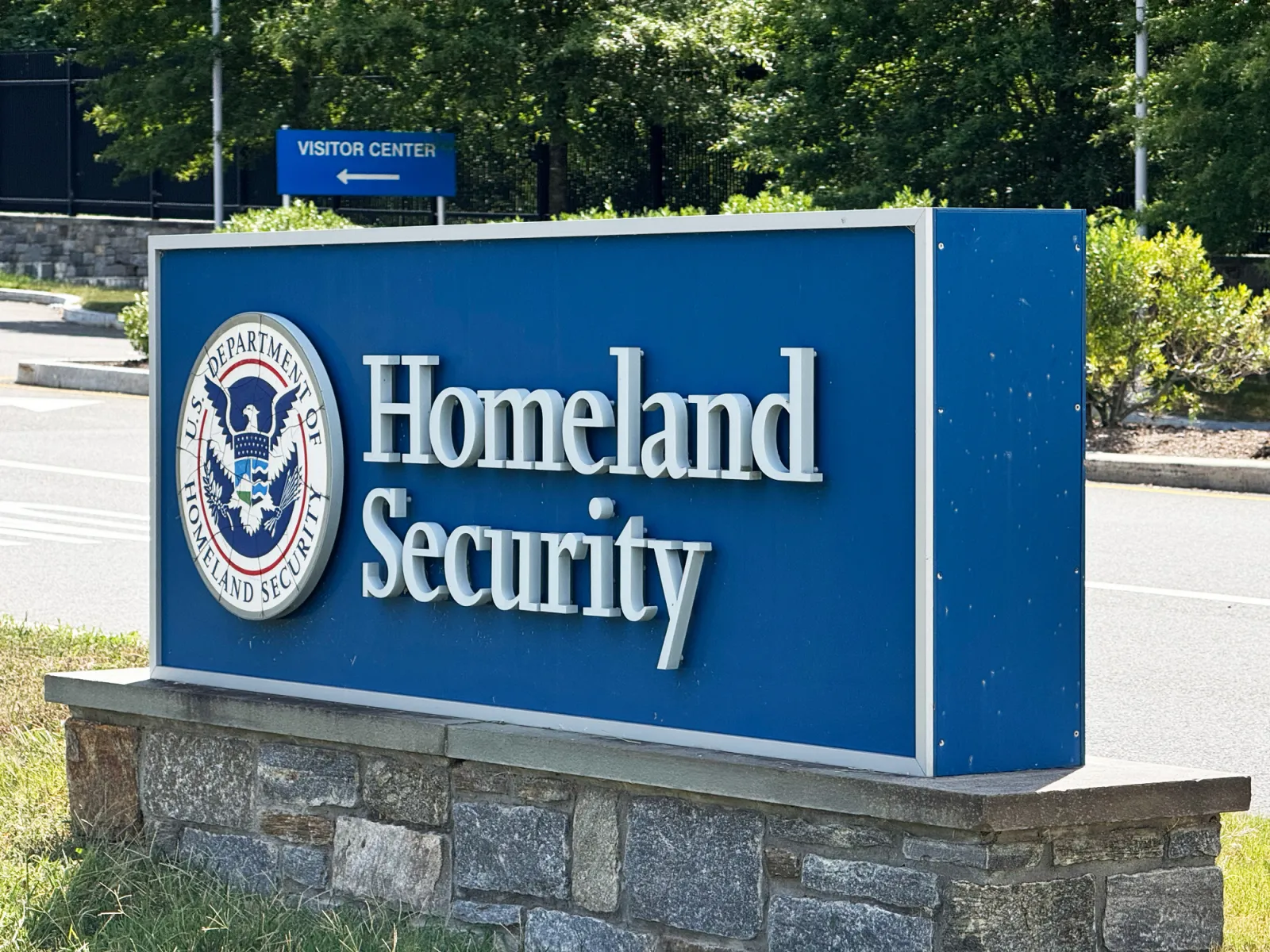
A shutdown of the Department of Homeland Security (DHS) is looming, with short-term funding set to end on Friday as Congress hasn't agreed on a funding bill for the department.
A DHS shutdown would lead to a disruption in reimbursements to states for disaster relief costs, delays in cybersecurity response and training, missed paychecks for airport security agents, potentially resulting in longer wait times for travelers, and more.
A DHS spokesperson told Newsweek: "DHS essential missions and functions will continue as they do during every shutdown. However, during a shutdown, many employees will be forced to work without pay, putting strain on the frontline defenders of our nation."
Read More on News
Why It Matters
After the fatal shootings of U.S. citizens Renee Good and Alex Pretti in Minneapolis in January amid the Operation Metro Surge immigration operation, the Trump administration has faced significant public backlash, at home and abroad, with lawmakers and celebrities joining the growing "ICE out" movement.
In the wake of the two shootings, and as federal agents continue to detain even some people who are legally in the country, as well as others, Democrats are pushing for new limits on Immigration and Customs Enforcement (ICE) operations while Republicans support a clean funding bill.
Unlike the previous two government shutdowns, including for a record 43 days last year, the funding lapse only concerns DHS, so it would not have as wide a scope of impact.
...
What To Know
If DHS shuts down, it will notably impact the Transportation Security Administration (TSA). The administration warned that it will not be able to achieve its priorities "in a timely manner if Congress does not fund DHS through the end of Fiscal Year 2026."
The administration said that about 95 percent of its employees—roughly 61,000 people—are "deemed essential and must continue working and protecting the traveling public during a shutdown while not getting paid" for "performing incredibly challenging and taxing jobs."
Referring to the impacts of the 43-day shutdown last year, where "many in our workforce were subject to late fees and penalties for missed bill payments, eviction notices, loss of long-term childcare arrangements, and more," the TSA said: "We cannot put them through another such experience."
Not only would another shutdown impact TSA employees, it would likely also result in disruption at airports, such as canceled and delayed flights, as it did in the 43-day shutdown.
The U.S. Coast Guard would also be affected, and if it lasts for even a few days, about 56,000 active-duty, reserve and civilian personnel would have to work without pay, Vice Admiral Thomas Allan, acting vice commandant of the Coast Guard, said Wednesday in testimony before the House Appropriations Subcommittee on Homeland Security, according to The Hill. He added that the Coast Guard would have to stop routine patrols, fisheries enforcement and commercial vessel safety inspections.
Meanwhile, the Cybersecurity and Infrastructure Security Agency (CISA) would struggle to protect federal networks from cyberthreats as the agency “would not perform any strategic planning, development of cybersecurity advice and guidance, or development of new technical capabilities," Acting CISA Director Madhu Gottumukkala said, according to The Hill.
The U.S. Secret Service would also be impacted, even though “the casual observer will see no difference,” Secret Service Deputy Director Matthew Quinn said, adding that “delayed contracts, diminished hiring and halted new programs will be the result" of the shutdown.
Gregg Phillips, an associate administrator at the Federal Emergency Management Agency (FEMA), said that while the agency's disaster relief fund has enough to continue emergency response activities during a shutdown, it would become significantly strained if a serious natural disaster was to occur.
ICE would most likely continue its operations during the shutdown. It is less affected than other agencies under DHS, as President Donald Trump's tax bill last year approved $75 billion for ICE over the next four years—eight times the amount it received in 2020, according to The Washington Post.
What People Are Saying
Ha Nguyen McNeill, senior official performing the duties of administrator for the Transportation Security Administration, in a statement: "We cannot forget our history and why this Agency was founded after 9/11, to prevent terrorist attacks on the Nation’s transportation systems. On behalf of the TSA workforce, I urge Congress to pass the DHS budget and provide TSA with the funding certainty it needs to secure the U.S. transportation system. The Nation cannot afford the safety and security of the traveling public and U.S. transportation systems to be threatened by budget uncertainties. As we enter our 25th year as an agency, we must ensure TSA remains an employer of choice for those who want to serve our country and their communities."
Vice Admiral Thomas Allan, acting vice commandant of the Coast Guard, on Wednesday in testimony before the House Appropriations Subcommittee on Homeland Security: "Although missions like law enforcement, national defense, and emergency response continue, a funding lapse has severe and lasting challenges for the Coast Guard’s workforce, operational readiness, and long-term capabilities."
Acting CISA Director Madhu Gottumukkala, according to The Hill: "Should a DHS shutdown be ongoing, operations would become strained and service delivery delayed in core mission areas such as cyber response, security assessments, stakeholder engagements, training, exercises, and special event planning."
Secret Service Deputy Director Matthew Quinn, according to The Hill: “We are on the cusp of implementing generational change for our agency. A shutdown halts our reform efforts and undermines the momentum we, including all of you, have worked so hard to build together. The impacts may not be seen tomorrow, but I assure you, we will feel the ripple effects for some time.
“Our agency has been working diligently to address needed reforms. Many of these efforts stop with a shutdown. Special agents and officers critical to our future are not hired, or their hiring is postponed due to mission support personnel being furloughed and funding constraints. New programs are paused, and our efforts to train, equip and deploy the best and brightest lag.”
Gregg Phillips, associate administrator of FEMA’s Office of Response and Recovery, on Wednesday: "This will hinder communication, planning, and joint operations, affecting disaster relief outcomes and complicating recovery efforts. Crippling FEMA’s central operations and recovery-related work will come at the expense of the American people.
"A government shutdown will erode public trust in the federal government’s ability to respond to emergencies. Even though emergency response activities will continue during a shutdown, communities may feel vulnerable and unsupported during critical times, which could have lasting effects on public confidence and resilience."
What Happens Next
Congress must pass DHS funding by the end of the day on Friday to avoid a shutdown of the department.
In a polarized era, the center is dismissed as bland. At Newsweek, ours is different: The Courageous Center—it's not "both sides," it's sharp, challenging and alive with ideas. We follow facts, not factions. If that sounds like the kind of journalism you want to see thrive, we need you.
When you become a Newsweek Member, you support a mission to keep the center strong and vibrant. Members enjoy: Ad-free browsing, exclusive content and editor conversations. Help keep the center courageous. Join today.


View 0 Comments
Submit Correction
View Editorial & AI Guidelines