10
Loading video...

By Jennifer Radcliffe
0
Share
Newsweek is a Trust Project member
See more of our trusted coverage when you search.Prefer Newsweek on Googleto see more of our trusted coverage when you search.
Democratic New York Governor Kathy Hochul said artificial intelligence-driven data centers might benefit some communities, signaling a potential path forward for the industry in the Empire State despite a yearlong moratorium on new hyperscale facilities.
New York is working to develop the strongest framework in the nation for data center development to address concerns over energy, electrical use and tax breaks, the governor said. She is already advising communities to ask for $1 million per megawatt.
Read More on Politics
"This is a local decision. I'm just trying to help them understand the power they have," Hochul said. "The community has the right and obligation to decide ... There are plenty of communities that say 'The welcome mat is not out for you.'"
While speaking to reporters Tuesday following a roundtable discussion on the impacts of the data centers, Hochul added that the operators would need to pay their fair share back into the grid but that the centers could hold "significant benefits" for the community.
"If they come here and a community wants them, they are going to pay a premium," Hochul said in part.
Why AI Data Centers Have Become Politically Controversial
Data centers have become a major political issue across the United States as technology companies race to build infrastructure to support growing demand for artificial intelligence.
New York officials have repeatedly warned that large facilities could significantly increase electricity demand and place pressure on the state's energy system. When announcing the moratorium in July, Hochul said the state needed time to study the industry's potential effects on utility bills, environmental resources and the electric grid.
According to reporting by CNBC, voter opposition to data center development has grown alongside concerns about rising electricity costs and questions surrounding the broader economic effects of AI technologies.
State officials have pointed to concerns involving electricity consumption, water usage, noise, land use and infrastructure demands as reasons for pursuing a more comprehensive regulatory framework before allowing additional hyperscale projects to proceed.
The moratorium, which pauses permits for large facilities while those rules are developed, was presented by the governor as a temporary measure rather than a permanent ban.
What To Know About New York's Data Centers
Representative Alexandria Ocasio-Cortez, a New York Democrat, said she introduced a federal AI moratorium to make sure data centers are paying their fair share.
"It shouldn't just be New Yorkers that have their water, and their energy and air protected," Ocasio-Cortez said. "There should be rights available to every American."
In July, Hochul announced what her office described as the nation's first statewide moratorium on new hyperscale data centers, arguing that rapidly growing electricity demand from artificial intelligence threatened to strain New York's power grid, increase costs for consumers and create environmental challenges. Newsweek reached out to her office Tuesday for additional comment.
In September, Hochul said large AI facilities "consume enormous amounts of power" and risked outpacing the state's electrical capacity. She also argued New Yorkers should not be required to absorb infrastructure costs associated with data center expansion.
Related Story
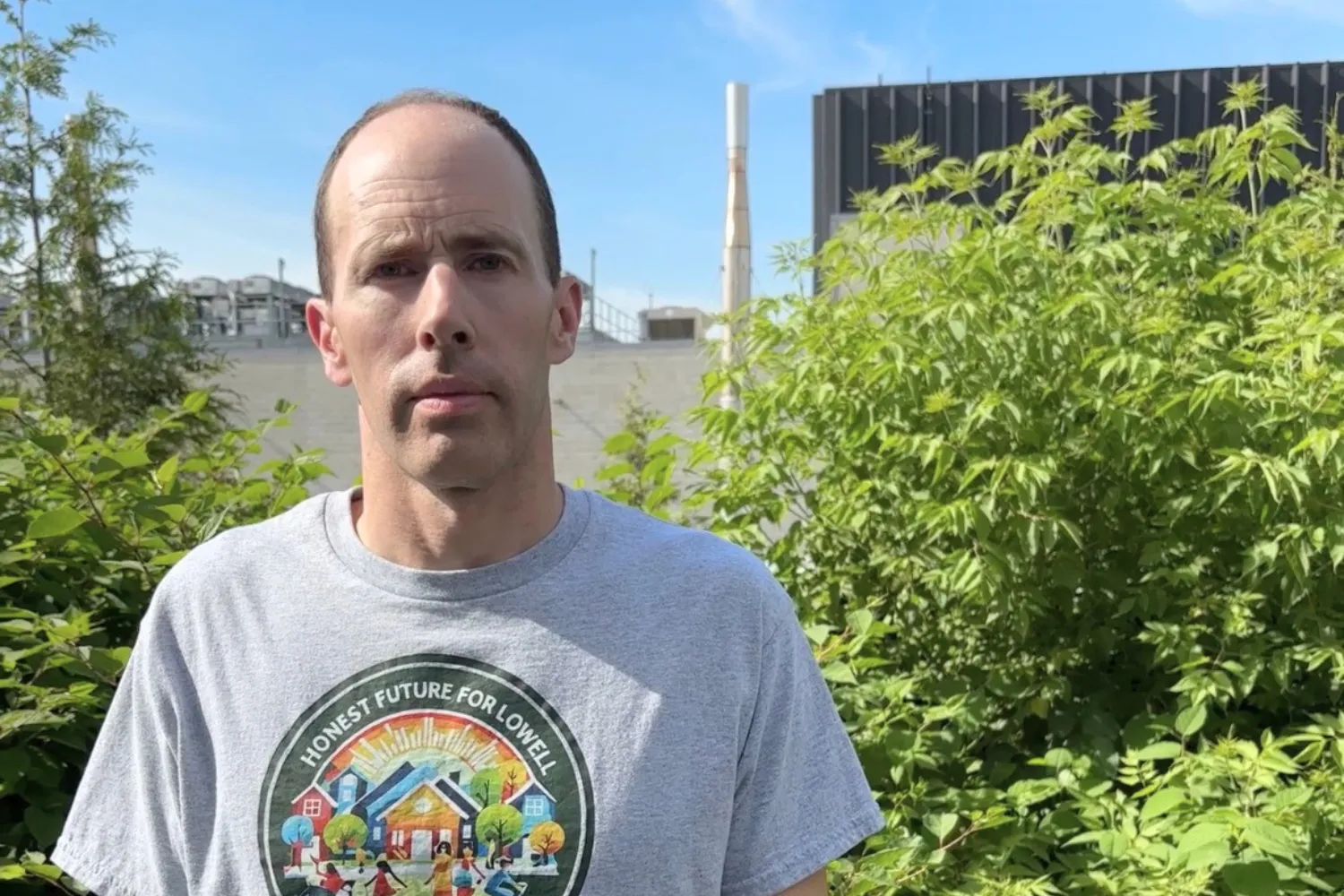
What It’s Really Like to Live Next to a Data Center
But while New York's moratorium remains in place, Hochul is now outlining circumstances under which data centers could potentially move forward.
During a livestream discussion Tuesday, the governor emphasized that local communities should have a greater role in deciding whether projects move ahead and what benefits developers must provide in exchange for approval.
Her administration has spent recent months developing a regulatory framework intended to allow communities to negotiate directly with technology companies while protecting ratepayers and local resources.
Hochul unveiled a statewide Community Investment Framework for Data Center Development last month that recommends developers contribute at least $1 million in community investment for every megawatt of utility demand associated with a project. Under that benchmark, a 50-megawatt facility would be expected to deliver approximately $50 million in local investments.
Related Story

How Native American Tribes Are Fighting Data Centers
The framework was designed to help communities secure investments in infrastructure, housing, schools, childcare, workforce development and other local priorities while ensuring residents have a voice in negotiations.
Hochul has also pushed to eliminate tax breaks for large data centers and directed regulators to pursue policies that would require developers to either pay more for electricity or provide their own energy supplies rather than shifting costs to ratepayers.
The governor's latest comments suggest that while she continues to support strong restrictions on AI infrastructure development, her administration increasingly sees a pathway for projects that satisfy economic, environmental and community requirements.
What Economic Benefits Hochul Sees in Data Centers
Supporters of AI infrastructure argue that data centers can generate significant economic activity if communities receive a direct share of the benefits.
Hochul's administration has emphasized that local governments should be empowered to negotiate investments tailored to their own priorities. Under the state's framework, community benefits could include road improvements, water and sewer infrastructure, affordable housing, workforce training programs, public safety investments, broadband expansion and other economic-development initiatives.
Related Story

The AI Debate: The Conversation
The framework also reflects a recognition that data centers often require large amounts of land, energy and infrastructure while generating fewer permanent jobs than some traditional industrial developments. As a result, state officials have argued that host communities should receive substantial long-term investments in exchange for accommodating such projects.
In announcing the framework, the governor said New York intended to establish rules ensuring that communities and residents benefit from the AI boom rather than simply absorb its costs.
As the state continues to refine its regulations, Hochul's recent comments suggest the debate in New York is shifting from whether AI data centers should exist at all to what conditions developers must meet before they are welcomed into communities.
Newsweek’s reporters and editors used Martyn, our AI assistant, to produce this story. Learn more about Martyn here.
Contact Newsweek editors on this story: Gray R. Thomas, Edward T. Cummins
Correction 10/07/26, 12:38 a.m.: In a previous version of this article, Hochul was quoted as saying data centers could hold "tremendous benefit" to communities. The governor's quote and the headline have been updated.
View 0 Comments
Submit Correction
View Editorial & AI Guidelines