...


By Robert Birsel, Shane Croucher, and John Feng
0
Share
Newsweek is a Trust Project member
See more of our trusted coverage when you search.Prefer Newsweek on Googleto see more of our trusted coverage when you search.
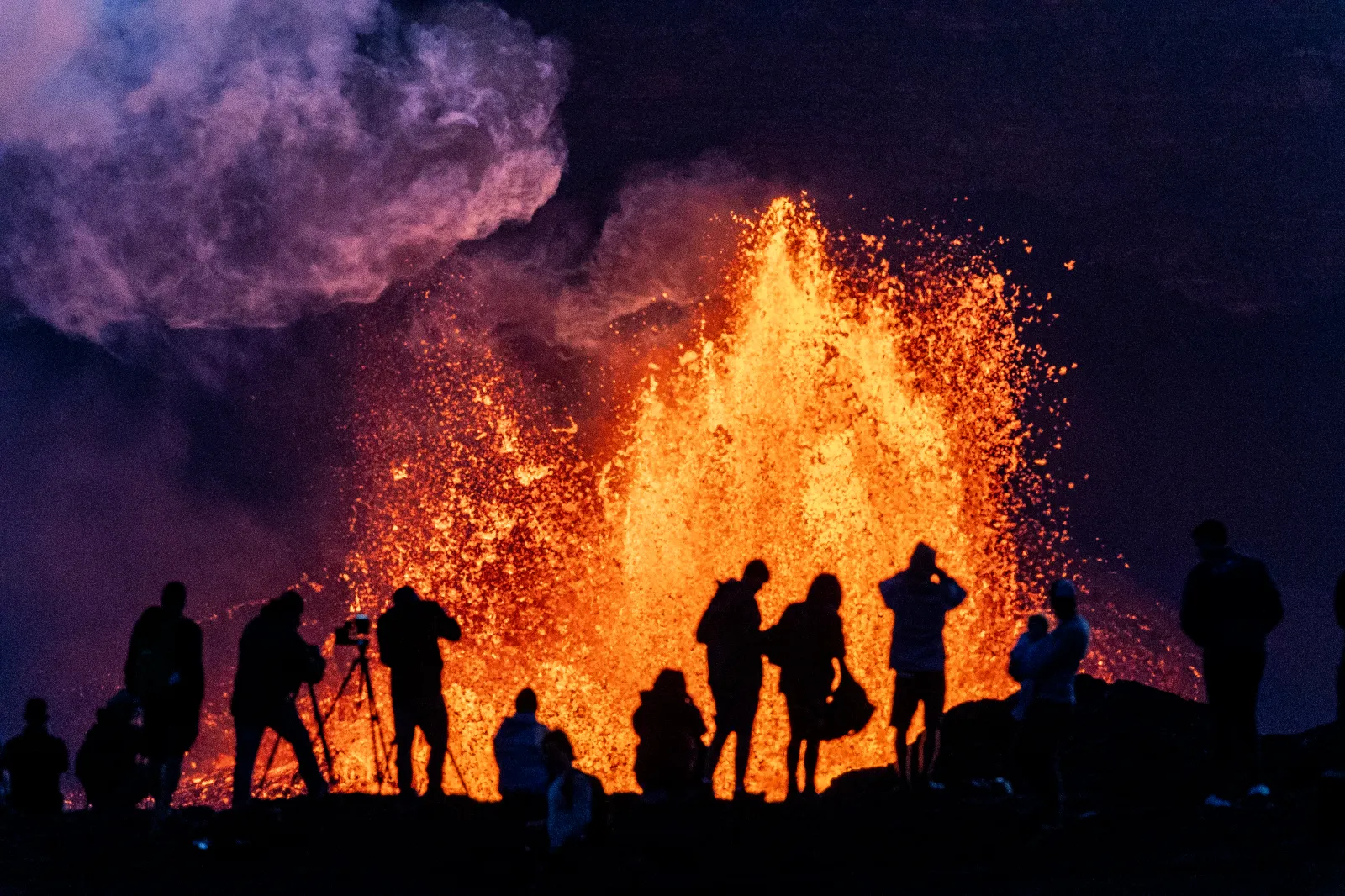
The U.S. Geological Survey (USGS) issued a new orange "watch" alert for Hawaii's Kilauea volcano on Sunday, warning that the lava flows were increasing in duration and that "another fountaining episode is close" amid an ongoing eruption.
Why It Matters
High levels of volcanic gas including sulfur dioxide (SO2) are a major hazard of concern with far-reaching effects downwind. Sulfur dioxide is continuously released during an eruption and it will react in the atmosphere to create a visible haze known as vog, or volcanic smog, downwind of Kilauea, the USGS said.
Read More on News
Sulfur dioxide and vog can cause respiratory and other problems at high concentrations.
What to Know
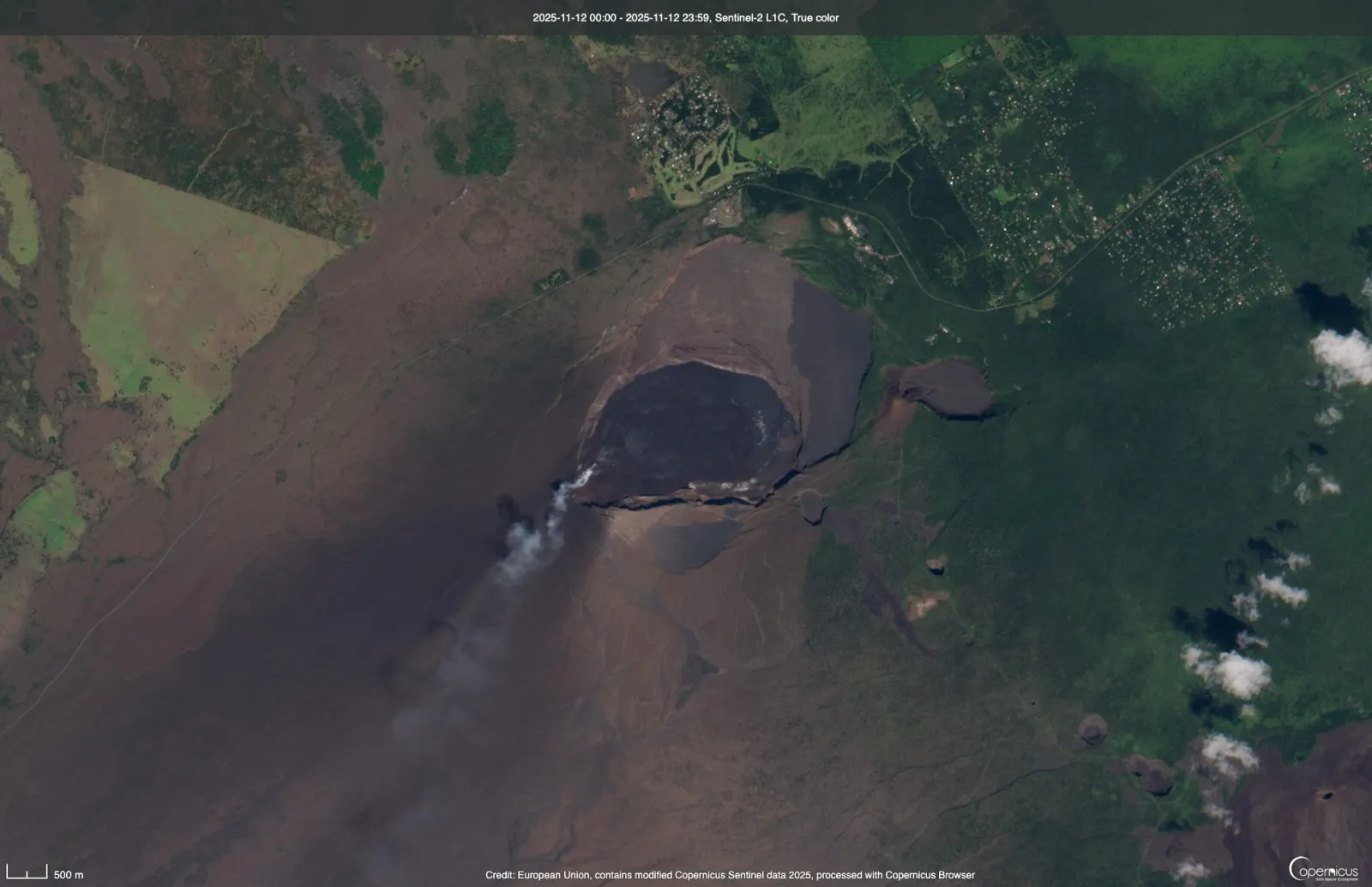
Kilauea, in the Volcanoes National Park on the Big Island of Hawaii, is one of the world's most active volcanoes. Its latest series of intermittent “fountaining episodes” began in December last year, with the next one due to be the 37th since then.
“Lava fountaining episodes have occurred approximately once per week to once every several weeks since the start of the current eruption on December 23, 2024,” the USGS said.
The oranges “watch” alert level indicates a volcano is exhibiting heightened or escalating unrest with increased potential of eruption, time frame uncertain, or an eruption is underway but poses limited hazards.
"Periodic overflows continue from the south vent. Overnight flows were longer in duration than those seen during the daytime and included low dome fountains," the USGS said in its alert.
"Continued inflation, tremor, glow, and precursory overflows from the vents all indicate that another fountaining episode is close. Overflows from both vents show that magma is standing high in the conduits," it said.
"The current eruption has been characterized by episodic lava fountaining not seen in any eruptions since the 1983-86 episodic fountains at the beginning of the Puʻuʻōʻō eruption," it added.
...
Another major hazard is fallout of volcanic fragments known as Pele's hair, or strands of volcanic glass that can be carried well over 10 miles from a vent.
“Residents and visitors should minimize exposure to Pele's hair and other glassy volcanic fragments, which can cause skin and eye irritation and can also contaminate catchment water supplies,” the USGS said.
The livestream of Kilauea run by the USGS shows lines of molten lava running down a slope and thick clouds of volcanic gases billowing into the sky.
What People Are Saying
The USGS said in its warning: “Other significant hazards also remain around Kilauea caldera from Halemaʻumaʻu crater wall instability, ground cracking, and rockfalls that can be enhanced by earthquakes within the area closed to the public. This underscores the extremely hazardous nature of Kilauea's caldera rim surrounding Halemaʻumaʻu crater, an area that has been closed to the public since late 2007.”
...
What Happens Next
The USGS said its models indicate that the onset of episode 37 fountains is likely to occur by November 26, with the highest probability by Tuesday, November 25.
Update 11/24/25, 4 a.m. ET: This developing story was updated with additional information.
View 0 Comments
Submit Correction
View Editorial & AI Guidelines