
Photo-illustration by Newsweek/Courtesy Brianna Alcorn

By Brianna Alcorn
0
Share
Newsweek is a Trust Project member
See more of our trusted coverage when you search.Prefer Newsweek on Googleto see more of our trusted coverage when you search.
My kids don’t know their grandfather because I haven’t seen him in 21 years.
My 9-year-old son plays on three baseball teams. When I open my calendar to check the game schedule, I see curveball after curveball coming right at me: three uniforms, three drop-off locations, three different bats. I am constantly sorting, washing, folding and repeating. I pack coolers and chairs, and a backpack full of arts and crafts his 6-year-old sister can share with the other girl gang of younger siblings. When I see him on the mound I’m a mix of loud nerves. “You got this, take a deep breath,” I shout. When he strikes out I want to hug him through the fence line, but when he hits the ball, steals home plate or wins a championship, I feel what my dad must have felt watching me play ball: pure joy.
But something always feels off and there is always one fewer person to text game day photos to.
Read More on My Turn
I Loved Tanning. 22 Years Later, I’m still Living With the Consequences9 min read

A Stranger Put $250 in My Kid’s Account. Twice4 min read

I Lost Hope After 4 Years of Infertility, Then at 41 Everything Changed9 min read

Every game I find myself looking for someone.

...
A man anxiously standing on the fence line, watching with intent, his hands ready to catch a foul ball. Sometimes I think I see him, blending into the crowd of other dads and granddads, but it’s just a trick I play on myself.
I should be used to his absence by now.
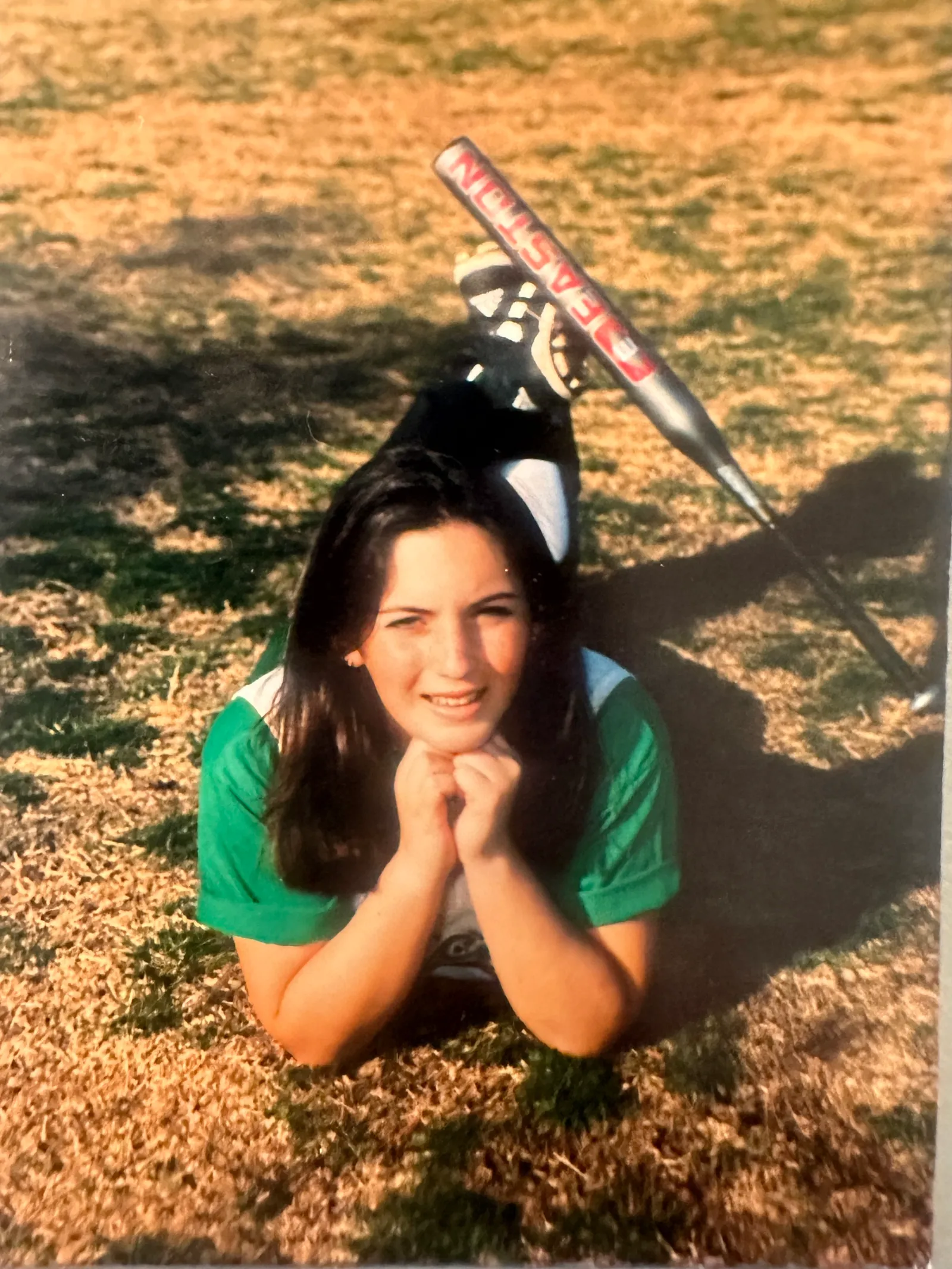
My dad loved baseball and he taught me everything I know. Growing up, he was there for every softball team tryout and every game, trailing behind the yellow team bus for hours. He smiled brightly when we won, held out a rose the day a game landed on my birthday and guided me through the politics of competitive teams. When we lost, he offered to hit my pop-flies or grounders, helping me regain my confidence. He was always just there, and our love for the game bonded us.
And then it all ended.
My parents divorced after 18 years of marriage. I was 19. They both moved east from California, each in search of a fresh start in different states. For my brother and me, it felt like the end of everything we knew.
Eight months after the move, on Valentine’s Day, an email from my dad arrived: “Have a nice life. I love you, but I won’t ever see you again.”
I often ask myself what my kids would call him if they knew him: Grandpop, Grandpa, Pa or Pop? But for them to name him, they’d have to know him. And I can’t let them know him because to know him would also mean they’d see the pain burrowed deep inside me.
...
I wonder if my children feel his absence. Does it come out in their tantrums for my attention? In the searing pain of their sharp words when they are confused and focused on something they want but can’t have? Do they feel my sleepless nights on the mornings I scold them about licking the syrup off their waffle plate? Did they notice my sharp inhales on the holidays when I read his texts filled with horrible words? Do they know about that morning when my phone vibrated in my hand and the words “sleep with one eye open” left me no choice but to file for a protection from abuse order? Do they know there is someone missing from my life?
There’s no book in the self-help section titled How to Tell My Kids About My Estranged Father. No When to Explain Estrangement to Kids for Dummies. Or if there is a book, I haven’t found the one that makes me feel seen—and I’ve looked. I’ve searched shelves, scrolled forums, listened to podcasts, hoping someone might have a roadmap to explain how a father-daughter relationship built on such a strong foundation could crack apart so unexpectedly. I struggle to find healing tools that work, to let go, and now ultimately how to talk to my kids about it.
Research and studies reveal how family cutoff feels isolating, triggering, and is filled with wandering paths to healing. The New York Times asked experts on the topic for recommendations of books about estrangement but noted the “field is still growing.” I believe that is because navigating a family rift is complex, the pain immense, and there aren’t clear solutions that work for every situation. I’m one of the 29 percent of Americans estranged from an immediate family member, according to a 2022 YouGov poll of 11,000 people.
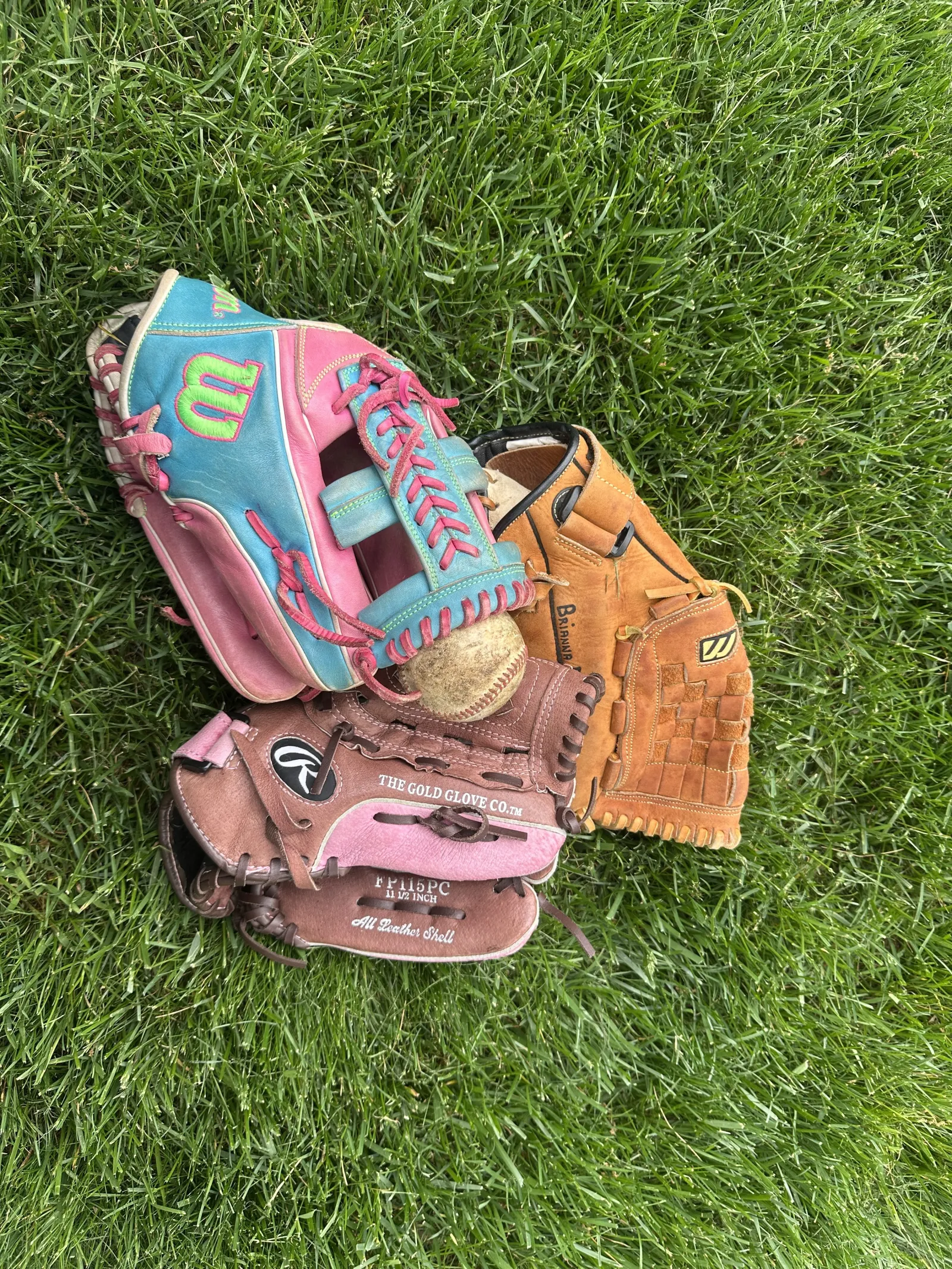
My son has never asked me about my dad—not surprising, considering there’s no evidence of him in pictures on our mantel. But there are signs of him in places only I know where to look: the bucket of baseballs from my childhood in the shed; or my worn glove from high school inscribed with my maiden last name in Sharpie, his penmanship evidence of our pastime bond. I can imagine my son will be a bit confused when I explain why those artifacts mean so much to me. The grandfather he knows, PopPop, is the man my mother remarried over a decade ago. He is the epitome of what a PopPop should be—a gentle giant, a spoiler, a man who is so happy when my kids are happy.
...
In my head, I’ve written a million screenplays of how one day I’ll tell them. I say, “I want to tell you about my dad. You might have been thinking that PopPop is my biological dad, but he’s not. He is my stepfather and a really good one. I haven’t seen my dad in a long time. He was an amazing dad to me growing up. He taught me how to break in a baseball glove, how to use the tools in the garage and always helped me with my school work. He was always there for me. It was picture-perfect until one day his anger and mental health separated us. I probably won’t ever see him again.”
I know I’ve raised empathic kids who will warm my soul with hugs before asking:
“Will you talk to him again?”
“What baseball team does he root for?”
“Where does he live?”
All questions I’d answer honestly, but I keep wavering on whether to wait until they're older to tell them. I’m still trying to figure out if the lingering ache I carry will subside the longer our estrangement lasts.
When I do tell them, I know they will finally see the invisible fortress of emotions I’ve built to protect them. But maybe the person I’ve been protecting all along is me, from an inevitable conversation. Does protecting them from this conversation make me a better mom? When they are older, will they think they could have saved a dismantled relationship with their dance recital pictures or home-run balls? Maybe they aren’t the ones who will benefit from this conversation, the way I had planned in my mind. Maybe I’ve overthought the complexity of sharing this storyline.
I have learned from parenting that no matter how much I plan the perfect setting for a weighted conversation like this, it’s the innocent nature of children to ground all the unnecessary worry and anxiety. A question as simple as “Hey Mom, are PopPop and Nana coming to my baseball game tonight?” will remind me that I don't have to overthink how this conversation will go because their lives are surrounded by family who are present, both near and far, and who celebrate them in all their wins and losses.
At the end of the day, I shake out my son’s dirt-filled cleats and realize that maybe my answer is that my children have everything they need. The void they don’t know they have is filled—for them it was never empty.
But I’m still figuring out if I’ll ever be whole without my dad.
Brianna Alcorn is currently working on a memoir exploring the complexities of parental estrangement, aiming to offer solace, resilience and a path to healing for others navigating similar journeys.
All views expressed in this article are the author's own.
Do you have a personal essay you want to share with Newsweek? Send your story to MyTurn@newsweek.com.
View 0 Comments
Submit Correction
View Editorial & AI Guidelines