10
Loading video...
By Billal Rahman
Immigration Reporter
0
Share
Newsweek is a Trust Project member
See more of our trusted coverage when you search.Prefer Newsweek on Googleto see more of our trusted coverage when you search.
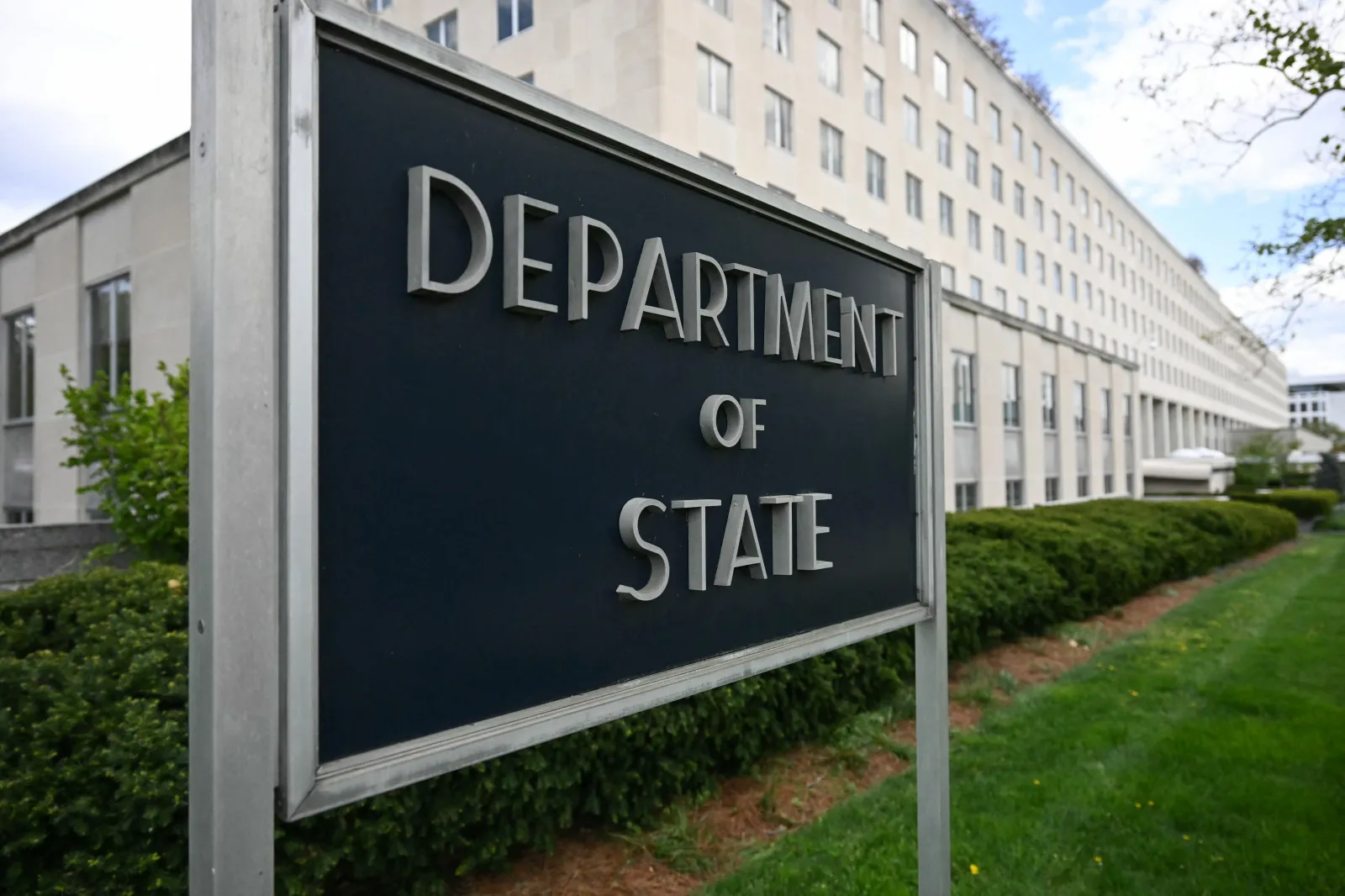
The U.S. State Department has temporarily canceled a number of H-1B visa appointments in India, citing “operational constraints” and the rollout of a new social media review for applicants, according to several immigration attorneys.
The U.S. Consulates in Chennai and Hyderabad have sent notifications to impacted applicants, advising them not to attend their original appointments.
"Due to operational constraints related to processing these visas and to ensure that no applicants issued a visa pose a threat to U.S. national security or public safety, the U.S. Consulate in Chennai must reduce the number of applicants each day," the consulate told applicants in an email.
Read More on News
Newsweek has contacted the State Department via email for comment.
Why It Matters
The postponement comes as the State Department implements its new social media vetting policy for H-1B applicants and their dependents. The policy, already applied to students and exchange visitors, involves reviewing applicants’ online presence to ensure national security and public safety. By requiring public access to social media accounts and imposing stricter vetting, the State Department may cause delays and disruptions for applicants and employers.
...
What To Know
Immigration attorney Ellen Freeman wrote in a LinkedIn post that the U.S. Consulate in Hyderabad appears to be mass-rescheduling H-1B visa appointments scheduled on or after December 15, 2025.
She cited a case of a visa applicant who completed her biometric appointment, but received an email notifying her that her December 15 interview had been rescheduled for March 10, 2026. The consulate cited the new online presence review and reduced daily capacity as the reasons for the rescheduling.
"Chenna and Hyderabad are most affected. Not 100 percent canceled—I suppose only those where social media vetting has not been done or yielded something," Freeman told Newsweek.
The U.S. Mission in India has notified visa applicants that anyone who receives an official email indicating their visa appointment has been rescheduled should plan to appear only on the new date. Applicants who arrive on the original appointment date will not be allowed entry to the embassy or consulate.
James Hollis, a U.S. business immigration attorney, told Newsweek that the changes could disrupt travel plans for Indian nationals who typically schedule visa appointments months in advance, particularly during the holiday season.
"It's a big time of year for travel for Indian visa applicants, and people schedule these appointments months in advance to ensure that they can do see their families," Hollis told Newsweek.
"It appears that appointments from December 15-18 have been canceled at consulates across India. I'm hearing from some that it is all appointments for Hs [H-1B Visas] during that period, but that would surprise me quite a bit," he added.
The H-1B visa is a temporary, employment-based program allowing U.S. companies to hire highly skilled foreign workers in fields such as technology, engineering, and medicine.
Within the Republican Party, opinions on the program are divided. Some MAGA-aligned lawmakers argue it can displace American workers and is vulnerable to fraud or misuse.
Others contend that H-1B visas are essential to fill critical labor gaps, particularly in tech and other specialized industries, highlighting the balance between protecting domestic employment and maintaining U.S. competitiveness.
The H1-B programs have long sparked debate over their economic impact and how major U.S. companies, especially in technology, finance, and health care, use them.
Lawmakers on both sides of the aisle argue that loopholes allow some employers to favor foreign workers over Americans, contributing to job outsourcing and downward pressure on wages. Scrutiny has increased as major tech firms implement large scale layoffs while continuing to hire H1B visa holders.
President Donald Trump's administration is pursuing additional changes, placing a $100,000 fee on new applications, a measure that has raised concerns among attorneys and applicants over how it would be implemented and paid.
Meanwhile, the number of H-1B visas approved for India-based companies has plummeted, according to an analysis of government data by the National Foundation for American Policy.
The report notes that only three Indian companies made it into the top 25 employers with approved H-1B petitions for initial employment in fiscal year 2025.
What People Are Saying
James Hollis, a U.S. business immigration attorney, told Newsweek, "It's a shame that the administration appears to continue to play games with visa applicants. They did it earlier this year with student visa applicants in the lead-up to the school year. This time, they're adding similar requirements to Indian visa applicants at a time when many people travel home for the holidays."
He added: "I don't think that the consulates necessarily are trying to harm visa applicants, but I do think it's an added bonus for the administration in rolling out these changes to the vetting process when they did."
The U.S. Consulate in Chennai said in an email to applicants: "Please keep in mind that you can only reschedule your appointment one time after your first appointment. Therefore, we recommend that you attend your interview on the new appointment date to avoid the need to reschedule."
What Happens Next
Applicants affected by the rescheduling are advised to log in to their accounts on the Visa Application website to view and print their new appointment letters. Those unable to attend the new date can reschedule online, but only once, and expired fee receipts may be forfeited.
View 0 Comments
Submit Correction
View Editorial & AI Guidelines