...

By Amanda Greenwood
Associate News Editor
0
Share
Newsweek is a Trust Project member
See more of our trusted coverage when you search.Prefer Newsweek on Googleto see more of our trusted coverage when you search.
New visa travel restrictions and immigration enforcement protocols—introducing advanced identification measures and stricter residency checks for green-card holders—issued by the U.S. Department of Homeland Security (DHS) are now in effect, as of December 26, 2025.
Why it Matters
These measures, introduced under President Donald Trump’s administration, aim to strengthen national security and modernize border management using advanced technologies.
Read More on News
The new rules authorize federal authorities to monitor the international travel of non-U.S. citizens—including lawful permanent residents—and apply especially heightened scrutiny to green-card applicants and holders from 19 countries, which have been flagged for security risks.
...
What to Know
Two primary rule changes are now in effect:
Biometric Entry-Exit System
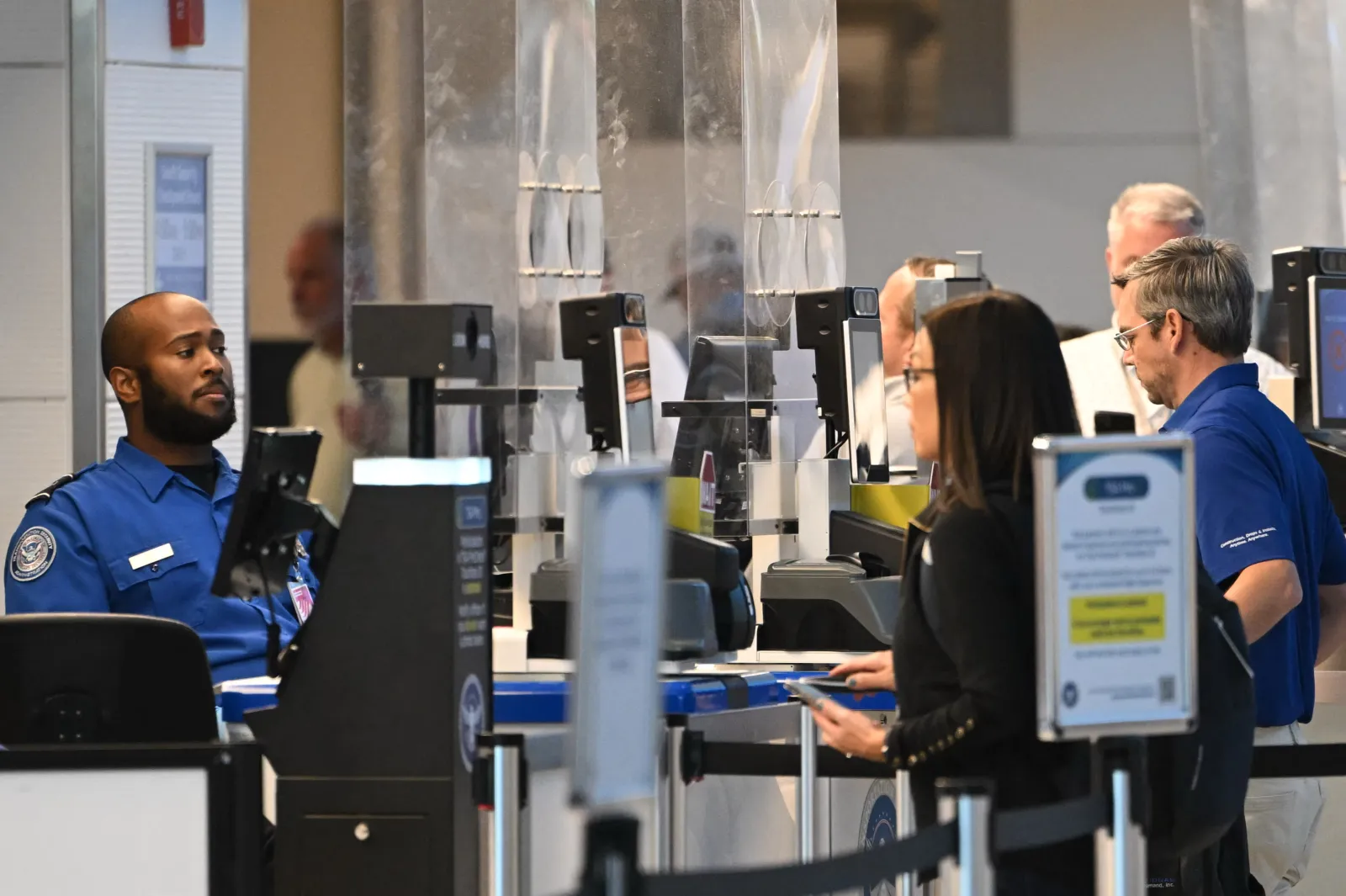
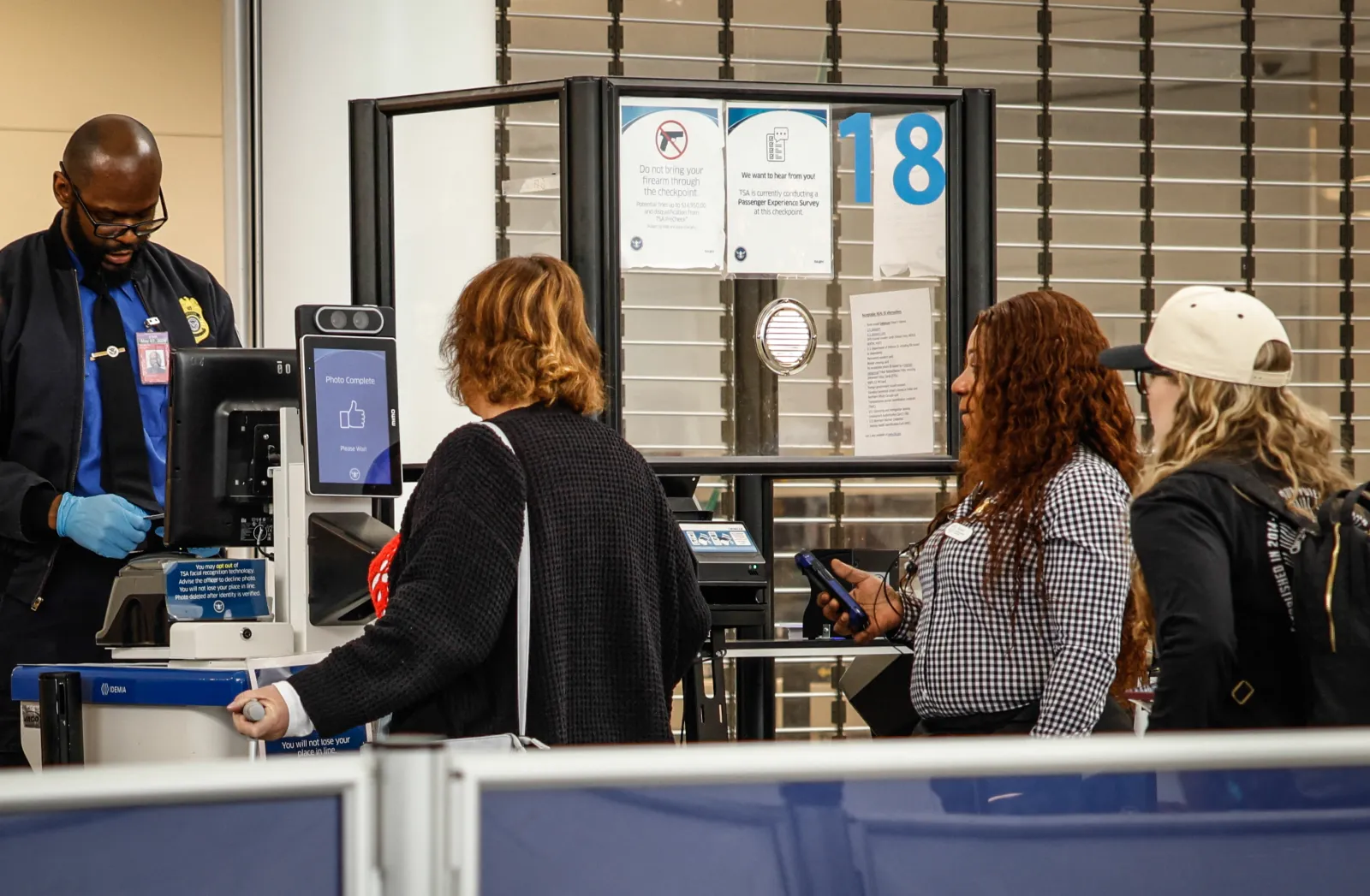
All non-U.S. citizens, including green card holders, will now have their photographs taken by U.S. Customs and Border Protection (CBP) officials at every entry and exit point across airports, land crossings, and seaports. This includes children under 14 and adults over 79—groups which were previously exempt.
In addition to photos, the CBP may also decide to collect fingerprints and iris scans and match them against existing travel documents as part of the Traveler Verification Service.
Green Card Reviews for Certain Countries
The U.S. Citizenship and Immigration Services (USCIS) will now conduct intensive reviews of green cards issued to citizens from 19 countries—Afghanistan, Burma (Myanmar), Chad, Republic of the Congo, Equatorial Guinea, Eritrea, Haiti, Iran, Libya, Somalia, Sudan, Yemen, Burundi, Cuba, Laos, Sierra Leone, Togo, Turkmenistan, and Venezuela—due to concerns about previous vetting and approval standards.
For green card holders, specifically, these new rules mean:
- Mandatory biometric checks: Being photographed—and possibly fingerprinted—at every U.S. border crossing when entering and leaving the country.
- Heightened scrutiny: Greater questioning at borders, especially for those from the 19 flagged countries.
- Documentation readiness: Ensuring all paperwork is up to date to respond quickly to official requests.
- Processing uncertainty: Potential delays for pending or future green-card or visa applications.
What People Are Saying
U.S. Customs and Border Protection explained, in its Federal Register filing: "Implementing an integrated biometric entry-exit system that compares biometric data of aliens collected upon arrival with biometric data collected upon departure helps address the national security concerns arising from the threat of terrorism, the fraudulent use of legitimate travel documentation, aliens who remain in the United States beyond their period of authorized stay (overstays) or are present in the United States without being admitted or paroled, as well as incorrect or incomplete biographic data for travelers."
What Happens Next
The rollout of the biometric entry-exit system will continue over the next three to five years, starting with major airports and expanding to land and sea ports. DHS and U.S. Citizenship and Immigration Services (USCIS) are expected to issue additional guidance on specific protocols for green-card reviews and any extra documentation requirements for individuals from the listed countries. Green-card holders—especially those from the 19 flagged nations—are advised to keep records up to date, monitor communications from DHS and USCIS, and consult immigration attorneys if traveling or awaiting status decisions.
The news cycle is loud. Algorithms push us to extremes. In the middle—where facts, ideas and progress live—there's a void. At Newsweek, we fill it with fearless, fair and fiercely independent journalism.
Common ground isn't just possible—it's essential. Our readers reflect America's diversity, united by a desire for thoughtful, unbiased news. Independent ratings confirm our approach: NewsGuard gives us 100/100 for reliability, and AllSides places us firmly in the political center.
In a polarized era, the center is dismissed as bland. Ours is different: The Courageous Center—it's not "both sides," it's sharp, challenging and alive with ideas. We follow facts, not factions. If that sounds like the kind of journalism you want to see thrive, we need you.
When you become a Newsweek Member, you support a mission to keep the center strong and vibrant. Members enjoy:
Help keep the center courageous. Join today.


View 0 Comments
Submit Correction
View Editorial & AI Guidelines