
...

By Sam Stevenson
Associate News Editor
0
Share
Newsweek is a Trust Project member
See more of our trusted coverage when you search.Prefer Newsweek on Googleto see more of our trusted coverage when you search.
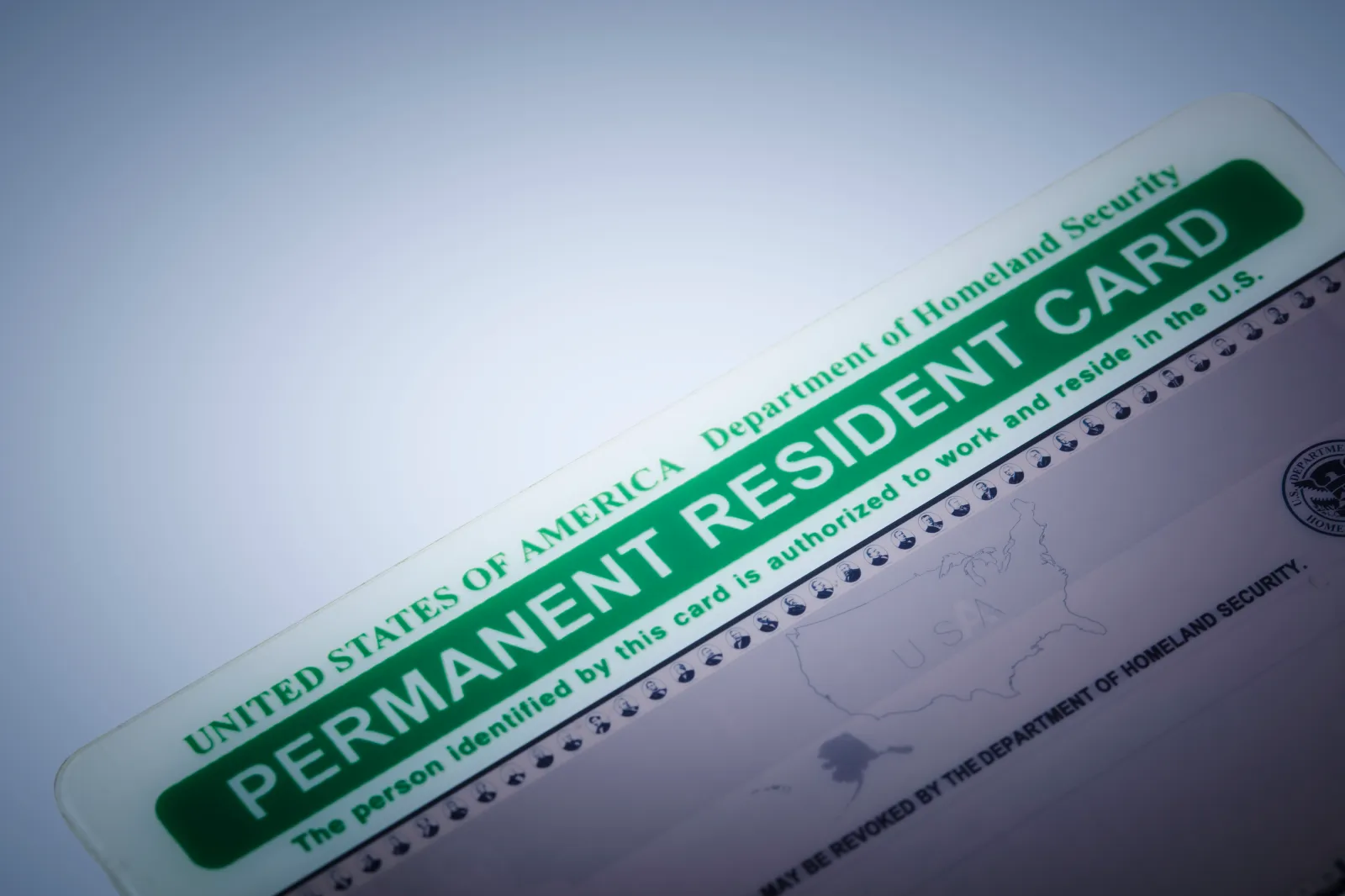
President Donald Trump's administration has proposed to tear up a Biden-era policy in a move that could deny permanent residency for lawful immigrants who rely on government benefits such as Medicaid.
Matthew J. Tragesser, a spokesman for U.S. Citizenship and Immigration Services (USCIS), an arm of the Department of Homeland Security (DHS), told Newsweek: "DHS proposes to rescind the 2022 public charge ground of inadmissibility regulations. Through this proposed rule, DHS intends to restore broader discretion to allow officers to evaluate all pertinent facts and align with long-standing policy that aliens in the United States should be self-reliant.”
Why It Matters
DHS has moved to repeal a Biden-era protection for immigrants, in a shift set to have a major impact on green card holders and applicants. The proposed change marks a potential return to broader, more discretionary standards for determining whether immigrants are likely to become dependent on the state.
Read More on News
Campaigners and advocacy groups, such as the Protecting Immigrant Families Coalition and Community Catalyst, have warned that reversing former President Joe Biden's 2022 protections could create increased uncertainty for millions of current and prospective green card holders, possibly affecting decisions about health care, nutrition and economic security. However, the Trump administration has said, "Government benefits should not incentivize immigration."
...
What To Know
The public-charge ground of inadmissibility, part of the Immigration and Nationality Act, allows U.S. immigration officials to deny citizenship or change the status of noncitizens if they are deemed overly dependent on state support.
In 2019, Trump expanded its remit to include many noncash benefits, including public housing, Supplemental Nutrition Assistance Program (SNAP) and most Medicaid.
Biden revoked the so-called public charge rule from Trump's first term in 2022.
The move was an attempt to provide clarity and reduce the number of immigrants who were discouraged from accessing health and nutrition programs under the 2019 rule.
DHS has now filed a proposed rule titled "Public Charge Ground of Inadmissibility" with the Federal Register.
This new proposal, scheduled for publication on November 19, would rescind the Biden administration's protections that took effect in December 2022.
Authorizing immigration officers to rescind the 2022 Public Charge Ground of Inadmissibility regulations is likely to have major implications for immigrants' access to essential services and their status in the United States, campaigners have warned.
It would effectively hand more powers to Citizenship and Immigration Services officers to decide who they believe could become a "public charge," according to Politico.
The 2022 rule restricted public charge determinations to only cash assistance for income maintenance—such as Supplemental Security Income and Temporary Assistance for Needy Families—and long-term institutional care at government expense, while specifically excluding programs such as SNAP, routine Medicaid, housing assistance, and the Special Supplemental Nutrition Program for Women, Infants and Children (WIC).
If the 2022 rule is rescinded, DHS could revert to or institute even broader standards that consider the use of any government health or social service program as grounds for a public charge finding, raising the risk of arbitrary denials and increasing discretionary power for immigration officials.
Immigration attorneys and advocacy groups, such as the National Immigration Law Center and the National Low Income Housing Coalition, argue that the potential for wider grounds of inadmissibility may affect low-income families and applicants with health needs most severely.
Under the proposed approach, DHS officers would be required to weigh the "totality of the circumstances," including family health history and economic background, with fewer specific guidelines.
It could extend broader discretion to adjudicators and increase the risk of politically motivated or inconsistent outcomes, the Protecting Immigrant Families Coalition has argued.
Lawfully present immigrants—such as refugees, asylees, survivors of trafficking, veterans and certain children—are generally exempt from the public charge rule under current U.S. immigration law.
Changes to these standards would not apply to those exempt groups, but they could discourage other eligible green card holders from accessing public health or nutrition programs out of fear of negative immigration consequences.
What People Are Saying
Matthew J. Tragesser, a USCIS **spokesman, told Newsweek: "**DHS proposes to rescind the 2022 public charge ground of inadmissibility regulations. Through this proposed rule, DHS intends to restore broader discretion to allow officers to evaluate all pertinent facts and align with long-standing policy that aliens in the United States should be self-reliant and government benefits should not incentivize immigration.”
Kica Matos, the president of the National Immigration Law Center, said in a news release: "The Trump administration's regressive plan to reinstate an outdated public charge wealth test is yet another attack designed to sow fear and confusion in immigrant communities. Trump's obsession with public charge is horribly consistent with his vision to remake the U.S. into a country where only the white and wealthy belong and can get ahead."
Mona Shah, the senior director of policy and strategy at Community Catalyst, said: "Everyone deserves to be healthy, safe, and able to care for their families—no matter where they were born. DHS' new public charge guidance sends a dangerous message: that a person's access to health benefits make them less worthy of entry or belonging.
"It fuels fear and confusion, keeps people from seeking care or the status they qualify for, and deepens harm in communities already targeted by racism, xenophobia, and ableism. We also reject the false idea that expanding access to care for immigrants takes resources from anyone else."
Adriana Cadena, the executive director of Protecting Immigrant Families Coalition, said: "This dangerous proposal puts the nation's health and economic well-being at risk. By creating chaos and confusion, it deters lawfully present immigrants and U.S. citizens from seeking health care and help they need and qualify for under federal law.
"The proposal's invitation to political bias, coupled with the administration's out-of-control enforcement assault on immigrant families, make this proposal even more dangerous. The chaos and fear that drive the chilling effect are much worse than last time, so the impact could be even bigger."
Renee M. Willis, the president and CEO at the National Low Income Housing Coalition, said: "At a time when the country is working to recover from the longest government shutdown in U.S. history and reductions in housing, food, and healthcare assistance, we cannot afford to implement policies that will increase uncertainty for millions of individuals and families.
"We urge the administration and Congress to reject the proposed public charge rule, given the turmoil and legal challenges similar anti-immigrant regulations have faced in recent years. Instead, we encourage the advancement of policies that ensure equal access to the essential resources people need to survive."
Sam Peak, the labor and mobility policy manager at Economic Innovation Group, said: "When the rule was implemented during the last Trump Admin, the paperwork for green cards doubled. At the very least, the administration should exempt high-income earners and those with significant assets from this rule."
What Happens Next
The regulatory process remains in its early stages, underscoring the importance of public awareness and engagement as DHS seeks public input ahead of any final action.
The proposed rule is set to undergo a formal notice-and-comment period following its official publication in the Federal Register on Wednesday.
During this period, the public, advocacy organizations and other stakeholders will have an opportunity to provide feedback before DHS issues any final regulation.
Update, 11/18/2025, 2:51 p.m. ET: This article was updated with a new statement from the USCIS.
View 0 Comments
Submit Correction
View Editorial & AI Guidelines