...

By Giulia Carbonaro
Senior Reporter
0
Share
Newsweek is a Trust Project member
See more of our trusted coverage when you search.Prefer Newsweek on Googleto see more of our trusted coverage when you search.
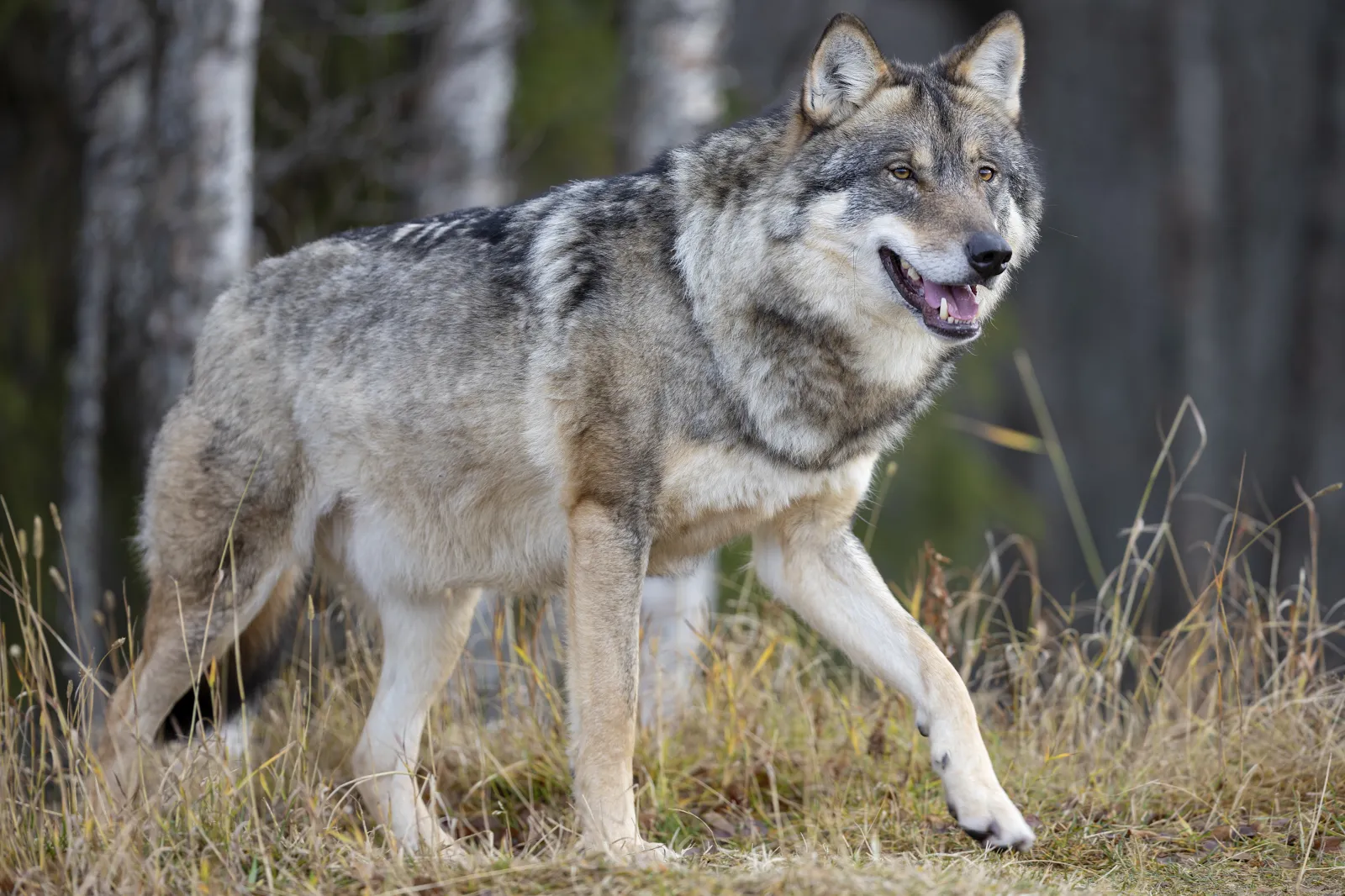
Endangered gray wolves are thriving in California after returning to the Golden State nearly a century after being wiped out in the 1920s.
The California Department of Fish and Wildlife estimates that there are now at least 70 gray wolves in the state, up from 44 documented the year before.
Why It Matters
Gray wolves were native to California but are considered to have been likely extirpated from the state in the 1920s. According to the California Department of Fish and Wildlife, the last gray wolf was killed in 1924 in Lassen County, and there had been no sighting of the animal until 2011.
Read More on U.S.
The department said that gray wolves returned to the state on their own, thanks to individual animals leaving their original pack in other nearby states. The first pack was established in the state in 2015, and since then, California has continued growing its gray wolf population. Although their numbers are rising, the species is still considered endangered in California.
...
While their return to the state has been contentious, with ranchers increasingly suffering from the loss of cattle and livestock targeted by the apex predators, their presence is considered crucial by experts to maintain a healthy ecosystem and for their "intrinsic" value, as the California Department of Fish and Wildlife puts it.
What To Know
In its latest annual count, the California Department of Fish and Wildlife reported a minimum of 30 pups born in five or six packs this year, the highest number since the gray wolf returned to the state. Not only have their individual numbers gone up, but the department also reported the addition of two new packs to the state's total count.
As of now, nine named packs are living in the state: Antelope (Sierra and Nevada counties); Beckwourth pack (Plumas and Sierra counties); Beyem Seyo pack (Plumas County); Diamond pack (Plumas and Lassen counties); Harvey pack (Lassen County); Lassen Pack (southern Lassen/northern Plumas counties); Whaleback Pack (Siskiyou County); and Yowlumni pack (Tulare County). There are also unnamed packs in Plumas, Lassen, Tehama and Shasta counties.
No packs have been reported in Southern California as of yet.
"The continued growth and expansion of California's gray wolf population is clear evidence of the ongoing successful recovery of this endangered species under the current state and federal protections afforded to them," Axel Hunnicutt, California gray wolf coordinator at the California Department of Fish and Wildlife, told Newsweek.
"Though removed for nearly 100 years, gray wolves are native to California as they are to the rest of the west and there remains significant suitable habitat for the species across the state. However, gray wolves are returning to a very different California than the one they were removed from in the 1920s," he added.
"Though California has wild and remote areas where wolves could call home, overall, the population has selected to use areas that overlap, in varying degrees, with the agricultural sector and livestock production; which has led to wolf-livestock conflict."
The conservation program financially compensates livestock producers if wolves are confirmed to have killed livestock, "but additional questions around the drivers of the selection of livestock by wolves and how other non-lethal methods can be used to help deter depredations is of significant need and one that the agency is actively working on with partners such as the University of California Berkeley," Hunnicutt said.
What People Are Saying
Wolf Conservation Center on X: "Wolves are a critical keystone species in a healthy ecosystem. By regulating prey populations, wolves enable many other species to flourish. Without wolves, the system fails to support a natural level of biodiversity and may cease to exist altogether."
Amaroq Weiss, senior wolf advocate at the Center for Biological Diversity, told KTLA: "Seeing wolves return to the places they once called home and having these adorable new pups is as inspiring as it gets. At least five California packs have now started families, which really shows the impact of strong protections under the federal and state endangered species acts."
What's Next
While the rising numbers of gray wolves are a reason to rejoice for conservationists, their growing presence is likely to exacerbate their existing conflict with the agricultural sector in the state.
Gray wolves' endangered status in California means farmers can do little to deter them from attacking their livestock, leaving them to ask for compensation from the state after they strike.
Update 1/2/25, 4:55 a.m. ET: This article was updated with a comment from Axel Hunnicutt.
View 0 Comments
Submit Correction
View Editorial & AI Guidelines