
...

By Suzanne Blake
Reporter
0
Share
Newsweek is a Trust Project member
See more of our trusted coverage when you search.Prefer Newsweek on Googleto see more of our trusted coverage when you search.
A wave of emails claiming that Google had received subpoenas for users’ information sparked confusion and concern across social media over the past day, with some recipients fearing they were the targets of a scam or government investigation.
The issue gained traction after a post on X went viral, alongside multiple Reddit threads in which users shared screenshots of nearly identical messages and asked whether the notices were legitimate.
“Have you ever left a Google review so scathing that you get subpoenaed by the State of New York?” X user @macjshiggins posted Wednesday.
Read More on Fact Check
The emails, which appeared to come from Google’s legal team, stated that Google had received a subpoena or legal request related to the recipient’s account and that user information could be disclosed unless the recipient took legal action.
Newsweek has obtained a statement from Google related to the emails.
...
The Claim
The claim circulating online is that Google is sending out subpoena notification emails to ordinary users, potentially en masse, and that the messages may either be fraudulent or potentially a broad government crackdown on online activity.
Some social media users questioned whether the emails were part of a phishing scam, while others speculated they were tied to a lawsuit involving Google Maps reviews.
The Facts
Google confirmed that the emails in question are real and part of its standard legal notification process.
“As part of our standard process, we notify people when we receive a government request for their information,” a Google spokesperson said in a statement provided to Newsweek. “That provides users transparency while meeting our legal obligations.”
According to additional information from Google, the company received a subpoena from the New York Attorney General related to Google Maps reviews for specific businesses. Google said it is standard policy to notify users when the company receives subpoenas, court orders, or warrants involving their accounts, unless Google is legally prohibited from doing so.
Google’s user notices are not new. The company has long stated that it notifies account holders when legal process seeks access to their data, giving them an opportunity to challenge the request in court if they choose. These notifications are informational and do not mean the user has been accused of wrongdoing.
On Reddit, multiple users reported receiving similar emails within a short timeframe and compared language across messages, concluding the notices appeared consistent with prior legitimate Google legal notifications.
Google has not publicly confirmed which specific users or reviews are covered by the subpoena, and there is no evidence that all recipients are connected to a specific lawsuit beyond speculation in online forums.
Importantly, Google has said that legitimate subpoena notifications do not ask users to provide passwords, Social Security numbers, or other sensitive login information. Security experts and Google support caution users to avoid clicking links in suspicious emails and to verify notices directly through their Google account or official Google support channels.
The Ruling
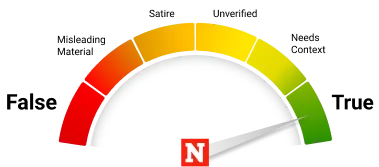
True. Google is sending out subpoena notification emails, and the messages circulating on social media are consistent with legitimate notices the company sends when it receives government legal requests for user information.
The emails are not evidence of a scam by default, and they do not mean recipients are accused of any crime. Instead, they follow Google’s longstanding policy of notifying users about subpoenas, court orders, or warrants involving their accounts to ensure transparency and allow users to seek legal remedies if they wish.
That said, users should remain cautious, as some phishing campaigns have previously used fake “Google subpoena” emails to steal credentials. Users should verify their notices through official channels and avoid interacting with suspicious links.
View 0 Comments
Submit Correction
View Editorial & AI Guidelines