...

By Micah McCartney
Reporter
0
Share
Newsweek is a Trust Project member
See more of our trusted coverage when you search.Prefer Newsweek on Googleto see more of our trusted coverage when you search.
The Council of Foreign Affairs has released its annual poll of foreign policy experts weighing in on the current or potential conflicts that could impact U.S. interests.
The report was released against the backdrop of wars and mounting tensions in a number of regions and as President Donald Trump lays out his foreign policy priorities for his second term.
Newsweek reached out to the U.S. State Department by email with a request for comment.
Read More on World
Why It Matters
The report, collated from information collected in November from 15,000 academics, government officials, and other foreign policy experts, suggests 2025 could shape up to be the most dangerous year since the Council of Foreign Affairs began conducting its Preventative Priorities Survey. There are a greater number of scenarios that are both more likely and have higher potential impact on Washington's interests than ever before in 17 years of polling by the Washington-D.C.-based think tank.
What To Know
The Middle East was considered to be an area of special concern, with Israel's devastating war with Hamas in Gaza, clashes with Lebanon-based Hezbollah, and escalating hostilities with the backer of both paramilitary groups—Iran.
It is unclear how last week's ceasefire between Israeli and Hamas and subsequent return of hundreds of thousands of displaced Palestinians from southern Gaza to the north would have affected the survey results.
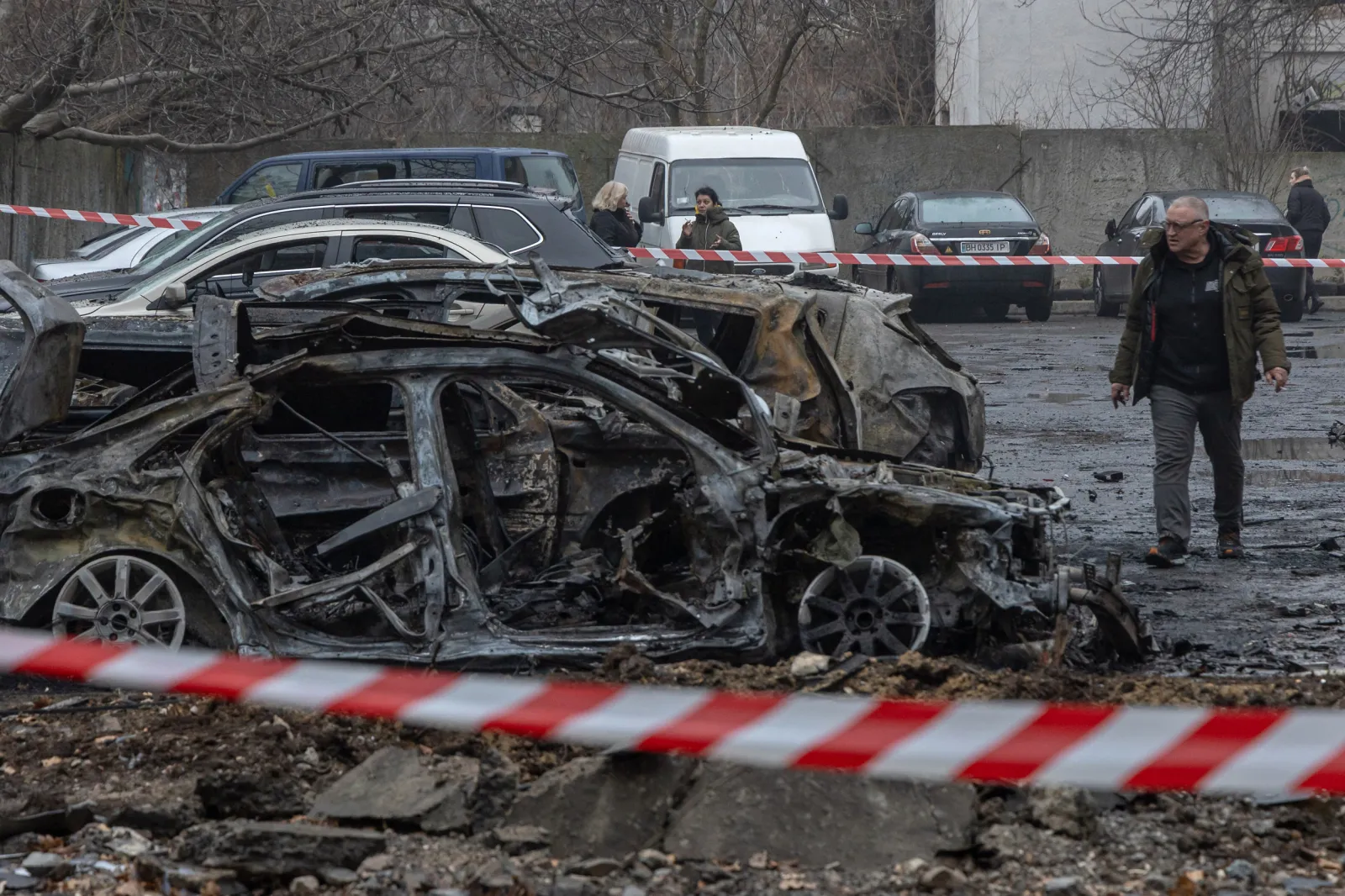
Russia's war against Ukraine was also listed in the highest Tier I category of conflicts. Now nearing its third year, it was assessed to have both a high likelihood of continuing and with a high impact on U.S. interests.
...
The report predicted: "Major Russian military gains in Ukraine, including the widespread destruction of critical infrastructure, and decreasing foreign assistance to Kyiv lead to a ceasefire favorable to Moscow."
A Tier 1 scenario deemed to be moderately likely but with a high potential impact was "intensified military and economic pressure by China toward Taiwan" that could lead to a Taiwan Strait crisis that could draw in the U.S. and other countries in the Pacific region.
Afghanistan featured in the lower risk Tier II category. Experts felt the ongoing Taliban repression and economic hardship in Afghanistan may foster sectarian violence, which could worsen its humanitarian crisis. This scenario was considered to have a high likelihood albiet with a low impact on current U.S. policy concerns.
Meanwhile, "weapons tests and border provocations" by North Korea are unlikely to result in an full-on confrontation with the South, experts believe. This contingency dropped to Tier II, down from Tier 1 last year, but would have a high impact on the region and be likely to involve the U.S., which stations some 28,000 troops in the allied South.
Among the potential crises in the Tier III category was increased political instability caused by rising terrorism and weakened government authority in northeastern Nigeria. This likelihood was deemed to be moderate and with a low impact on Washington's interests.
What People Are Saying
Paul Stares, director of the Center for Preventive Action at the Council on Foreign Relations: "The level of anxiety that survey respondents feel about the risk of violent conflict over the coming 12 months has never been greater. Of the 30 contingencies surveyed, 28 are judged to be either highly or moderately likely to occur in the next 12 months. Eighteen of those, moreover, would have a high or moderate impact on U.S. interests."
What's Next?
To avoid multiple simultaneous crises with calamitous consequences for the United States, Stares advised the Trump administration to be "clear sighted" and to work to reduce the risks of conflict.
View 0 Comments
Submit Correction
View Editorial & AI Guidelines