
...

By Sam Stevenson
Associate News Editor
Share
Newsweek is a Trust Project member
See more of our trusted coverage when you search.Prefer Newsweek on Googleto see more of our trusted coverage when you search.
Texas Democratic gubernatorial candidate Gina Hinojosa has promised to send $1,500 payments to every household if elected, framing the proposal as state-funded economic relief from the state’s multibillion-dollar surplus.
More than 11 million Texas households could receive a one-time payment under the plan if lawmakers approve it. The proposal lands in a tightening gubernatorial race and amid growing debate over how Texas should use its record reserves.
Hinojosa’s campaign argues the proposal could attract bipartisan support despite the high bar in the Legislature.
Read More on Politics
A campaign official told Newsweek that the candidate believes "very few policies" command cross-party backing in Texas politics, but direct payments could be an exception given the scale of voter need.
The campaign also pointed to past conservative calls to reduce the size of the fund, suggesting there may be overlap with Republican lawmakers on drawing down reserves.
Newsweek reached out to the campaign of Hinojosa's Republican rival, Greg Abbott, via email on Wednesday morning for comment.
...
Why It Matters
Hinojosa’s proposal taps into a broader political fight over affordability and government spending, as Democrats emphasize cost-of-living pressures and Republicans prioritize tax cuts. It also raises fundamental questions about how Texas should use a massive reserve fund that has surged in recent years, fueled largely by oil and gas tax revenues.
A Direct Cash Plan Framed as Economic Relief
Hinojosa unveiled the proposal as part of her "Money in Your Pocket" campaign tour, pitching it as immediate help for Texans struggling with rising costs.
In a social media video, she pitched directly to voters: "When I’m governor, I’m going to put $1500 in your pocket," she said, accusing Abbott of holding back funds that should go to residents.
She argues that the payments would help Texans afford essentials like groceries, gas, housing, and healthcare, areas where she says families are under increasing strain.
Hinojosa framed the plan as a matter of fairness. "People are struggling. People need help. It’s an emergency situation," she said.
"Texans know how to spend money better than the government. That’s our money," she added.
Where the Money Would Come From
The proposal centers on Texas’ Economic Stabilization Fund, often called the rainy day fund—a state reserve designed to cushion against economic downturns. That fund currently holds roughly $24 billion to $27 billion, depending on the estimate and fiscal year, making it one of the largest reserve accounts in the country.
Hinojosa wants to withdraw about $17 billion to finance the payments, leaving an estimated $10 billion still in reserve for emergencies.
"This money should be in our economy in Texas," she argued.
The plan would require a significant political lift. Under Texas law, tapping the fund for general spending requires approval from two-thirds of lawmakers in both chambers, which are currently controlled by Republicans.
Hinojosa's campaign also emphasizes that the proposal is not new spending in the traditional sense, but a redistribution of existing state reserves.
According to campaign projections, the plan would leave roughly $10 billion in the fund and allow it to replenish quickly through oil and gas tax revenue, which officials say is expected to add between $2.5 billion and $3 billion annually.
The campaign argues the reserve would begin rebuilding "immediately" after any withdrawal.
Related Story
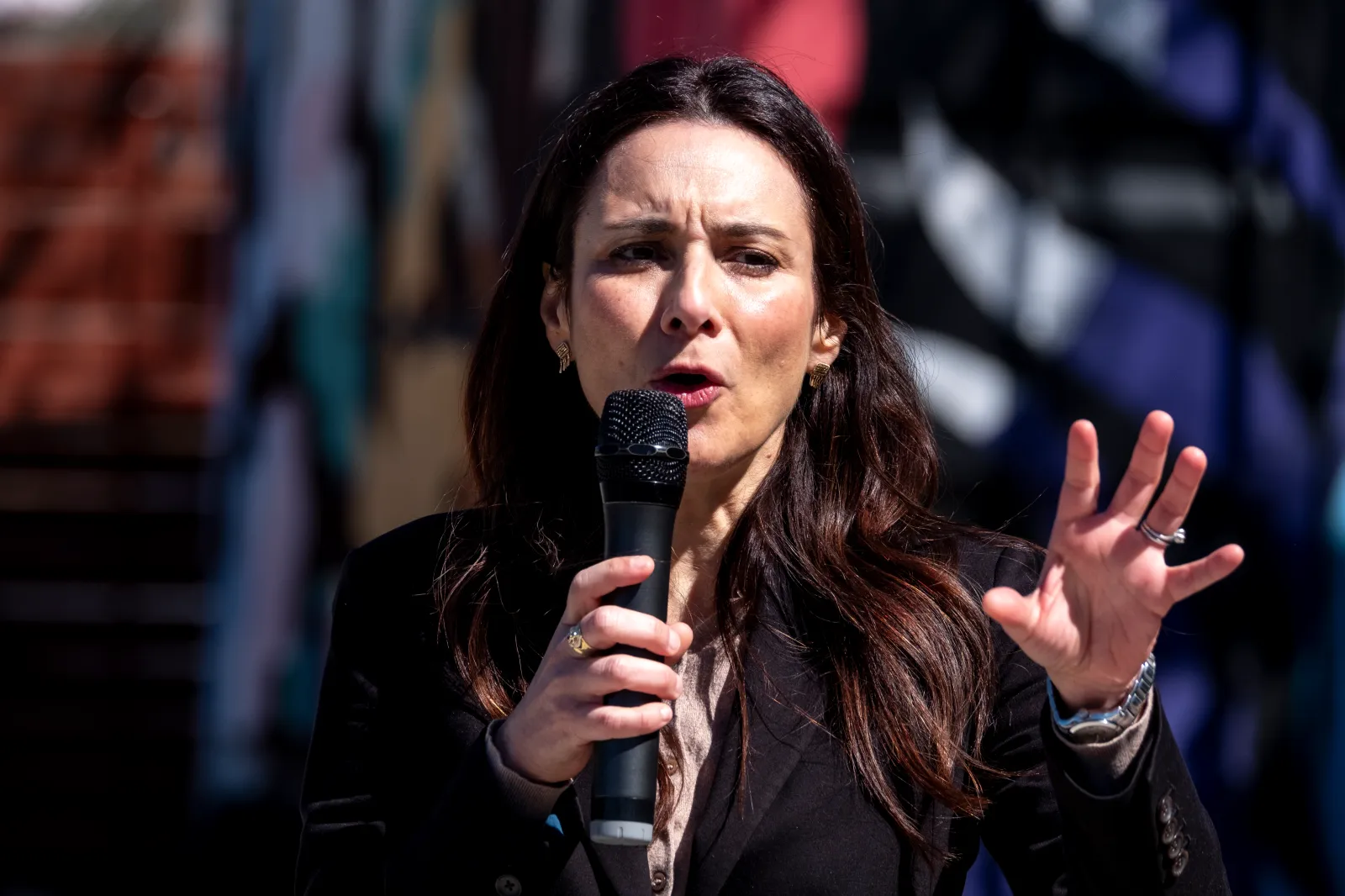
Gina Hinojosa Chances Against Greg Abbott Compared to Beto O’Rourke in 2022
A Sharp Contrast With Abbott’s Agenda
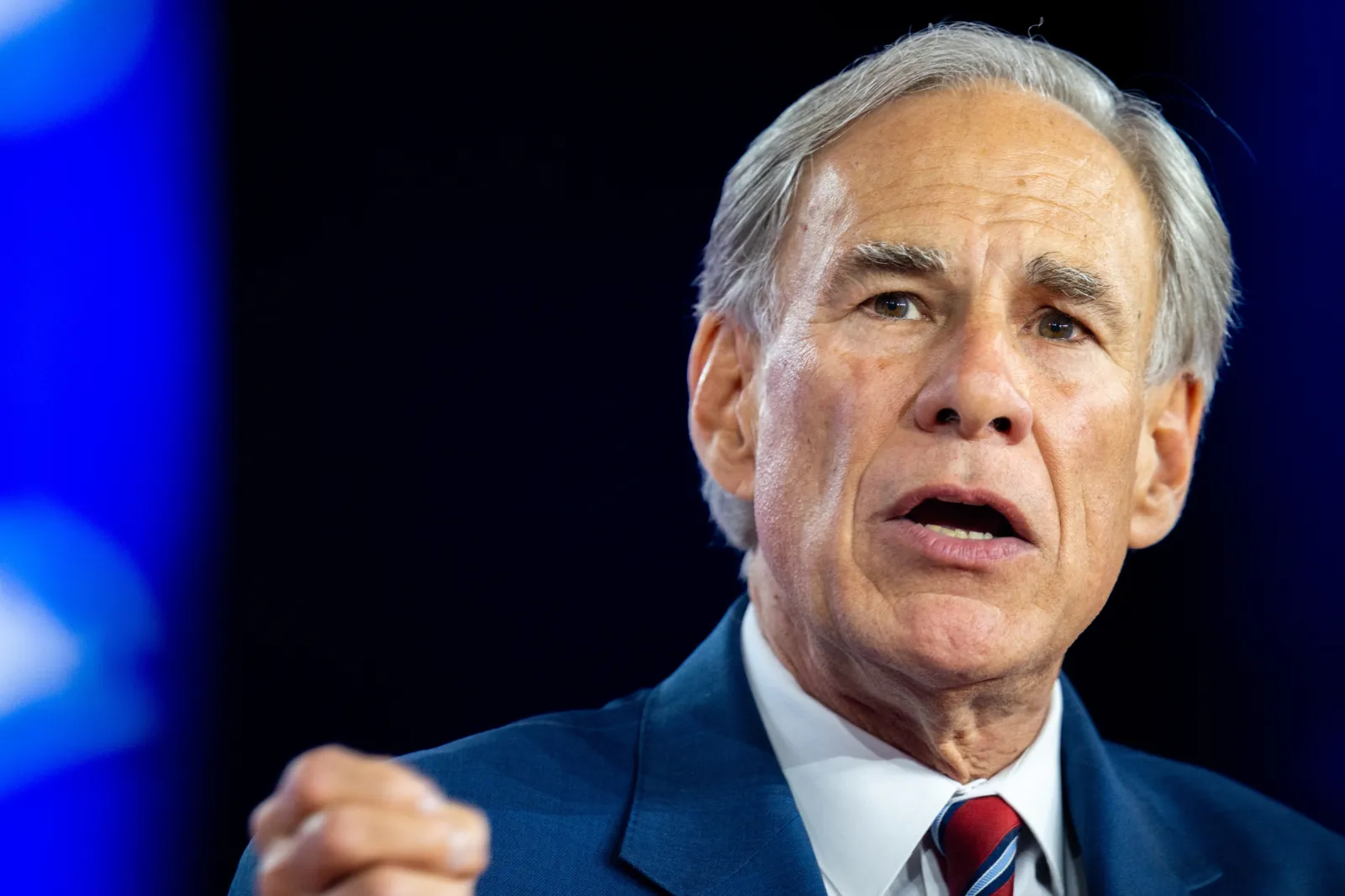
The proposal sets up a clear economic contrast with Abbott, who is seeking a fourth term and has focused on long-term tax reforms rather than direct payments.
Abbott’s plan centers on property tax cuts, including efforts to eliminate school property taxes and limit local tax increases. That creates two competing visions for voters:
- Immediate lump-sum payments to households
- Structural tax reductions aimed at lowering long-term costs
Hinojosa has also framed her proposal as a political argument, branding it a "corruption tax refund" and accusing the governor of directing public funds toward corporations and donors instead of residents.
Beyond the economic argument, the proposal is being framed as a broader reset in how the state uses taxpayer money.
Hinojosa’s team says direct payments would help "restore trust in government," arguing that Texans themselves are better positioned to decide how the money should be spent than state officials.
The campaign has also leaned into a more aggressive contrast with Abbott, accusing the governor of stockpiling state funds while directing resources toward large businesses.
Hinojosa’s proposal is intended to flip that dynamic, positioning the rebate as a direct transfer to households rather than a longer-term policy change.
...
Polls Show a Competitive But Challenging Race
Despite the bold proposal, Hinojosa faces an uphill battle against a well-established incumbent.
Polling averages show Abbott leading by roughly 6 to 7 percentage points as of late June 2026, with support around 49 percent compared to Hinojosa’s roughly 42 percent.
Individual surveys tell a similar story:
- New York Times/Siena: Abbott 51 percent, Hinojosa 44 percent
- University of Texas: Abbott 47 percent, Hinojosa 40 percent
What Prediction Markets Say
Beyond polls, election betting markets offer another lens on the race—though they measure sentiment differently.
On platforms like Polymarket and Kalshi, traders currently give Republicans around a 90 percent chance of winning the Texas governorship, with Democrats closer to 10 percent.
What Are Prediction Markets?
Prediction markets allow users to trade contracts based on the outcome of future events—essentially betting on whether something will happen. Prices reflect the collective judgment of traders about probability.
Benefits
- Aggregate diverse information quickly
- Can react faster than polls to new developments
- Provide a continuous, real-time probability estimate
Drawbacks
- Influenced by trader behavior and liquidity, not just data
- Can diverge from polling or fundamentals
- Not always representative of the broader electorate
In the Texas race, prediction markets paint a more lopsided contest than polls—highlighting uncertainty about whether tightening margins can translate into an actual upset.
A Broader Debate Over Texas’ Surplus
At the center of the proposal is a larger question: what should Texas do with its growing reserves?
The rainy day fund, created in 1988 and largely fueled by oil and gas taxes, has ballooned in recent years, sparking debate over whether to save it for future crises, spend it on infrastructure, education, or tax cuts, or return it directly to taxpayers
Hinojosa’s plan falls firmly in the third camp, arguing the surplus should go back to residents now rather than sit unused.
What Happens Next
Even if Hinojosa wins in November, her proposal would still face significant legislative hurdles before becoming reality. Republicans are expected to maintain control of the Legislature, and approval from two-thirds of lawmakers would be required to access the fund.
That means the plan’s fate would likely depend on bipartisan support—a possibility Hinojosa has suggested is achievable given the popularity of direct payments.
The campaign says Hinojosa would move quickly if elected, planning to declare the state’s affordability crisis an emergency on her first day in office—a move aimed at fast-tracking legislative action when lawmakers convene in January.
Contact Newsweek editors on this story: Matthew Robinson, Sam Wilson and Tony Phillips.
Update: 07/09/26, 03:21 a.m. ET. This article has been updated with information from the Hinojosa campaign.
Submit Correction
View Editorial & AI Guidelines