...

By Leigh O'Neill
Senior Advisor
0
Share
Newsweek is a Trust Project member
See more of our trusted coverage when you search.Prefer Newsweek on Googleto see more of our trusted coverage when you search.
As the United States engages in the largest military conflict since the Iraq War, a new survey by the Institute for Global Affairs at Eurasia Group finds twice as many Americans think the Iran war made the U.S. less safe as say it's made the country safer. Americans are right to be worried; security officials are warning of increased threats from Iran inside the U.S.
City leaders are the front lines of defense at home. There is heightened concern that the systems built after 9/11 to detect, assess, and respond to potential attacks against physical or digital targets might not be functioning as they should."
The timing could hardly be worse.
Read More on Opinion
...
Mayors of major U.S. cities such as Atlanta, Boston, Dallas, Kansas City, and Philadelphia are getting ready to host matches for the FIFA World Cup, while communities around the country prepare for events marking America’s 250th anniversary. These celebrations strain public safety systems even under normal conditions.
Experts have long warned how Iran could respond to U.S. attacks: retaliatory strikes against U.S. assets in the region, proxy attacks against American interests abroad, global economic disruption with a naval blockade of the Strait of Hormuz, and efforts to target the U.S. homeland. We now watch as these play out.
The most alarming possibility, a mass-casualty attack on U.S. soil, has fortunately not yet materialized. But the threat is no longer theoretical. It includes disinformation campaigns across social media; cyberattacks on energy, water, and transportation systems; lone actors radicalized online; for-hire operatives; ties to criminal networks; and the possibility of covert agents embedded in the country.
Managing these risks depends on federal, state, and city officials executing their distinct roles across joint security partnerships that the United States has spent decades building.
After Sept. 11, federal agencies including the National Counterterrorism Center, the Department of Homeland Security, and the Federal Bureau of Investigation revitalized existing partnerships and developed new models with state and local authorities. Federal agencies assess threats and produce intelligence; local officials translate that information into action, and feed back their own assessments into the system.
That model has worked. It is likely a major reason no large-scale terrorist attack has occurred in a U.S. city since Sept. 11. It is tested and effective. But it depends on both sides functioning as intended. When the federal side is disrupted by delays, staffing gaps, or breakdowns in communication, local officials are left to operate with less clarity—at a very dangerous moment.
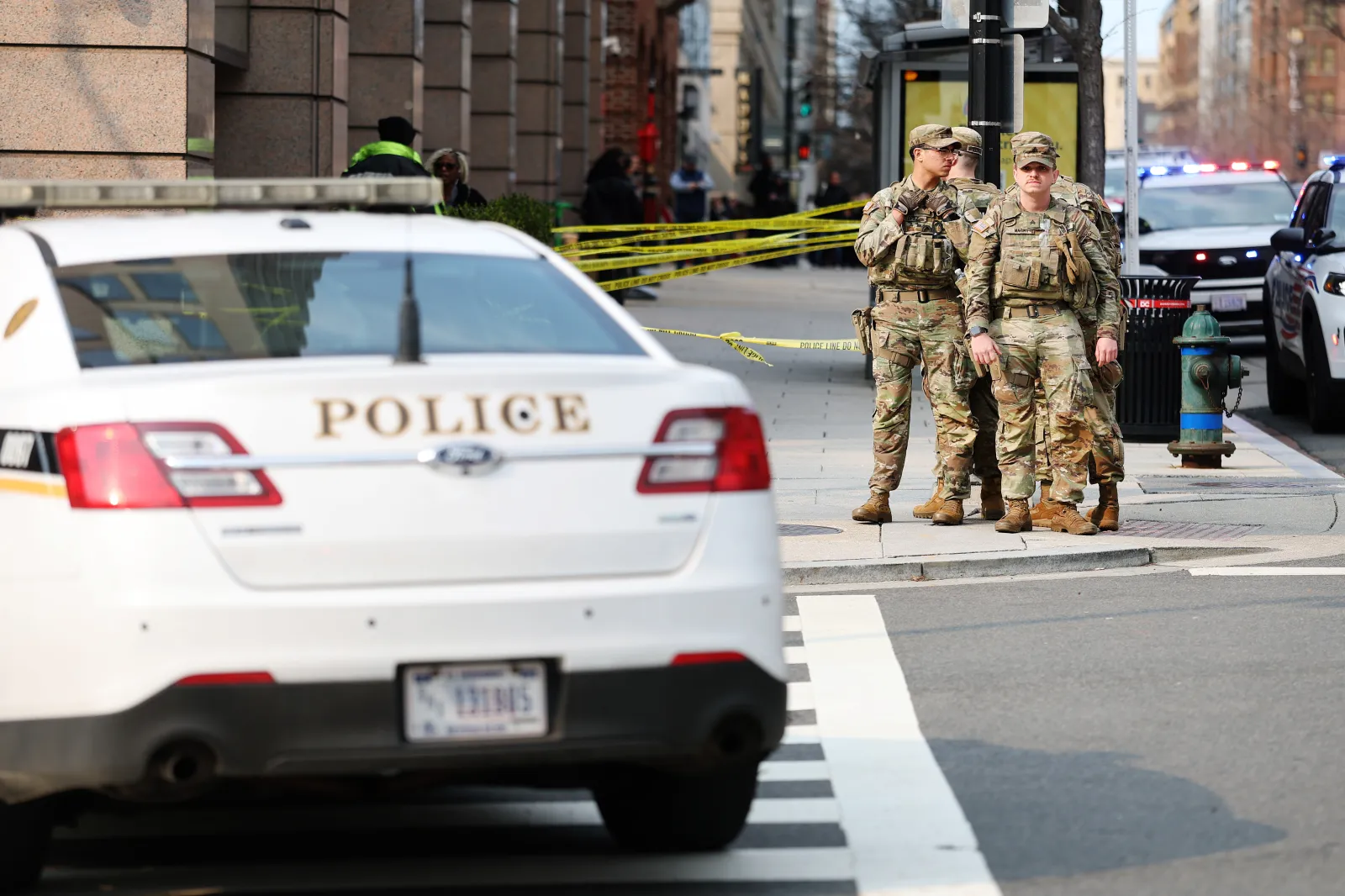
And right now, that system is under strain. As local law enforcement and emergency management are thrust onto the front lines of evolving hybrid warfare tactics from sophisticated state sponsors, like Iran, city officials need strong support from federal partners.
Instead, a planned security bulletin warning of Iran-related threats was delayed before reaching state and local law enforcement, while staff reductions in the FBI’s counterintelligence division may be weakening threat tracking. At the same time, turnover in senior national security roles raises concerns about continuity and capacity.
Since the start of the Iran war, there have been leadership changes at the Justice Department and Department of Homeland Security, the departure of the National Counterterrorism Center director, and a resignation of the Director of Immigration and Customs Enforcement (ICE). Some officials have begun to worry about a chilling effect that could discourage security analysis that conflicts with current policy.
Some local leaders are already adjusting. Highly specialized agencies such as the New York Police Department can conduct its own threat briefings and increase deployments. But even the most capable, resourced local forces are not intended to replace federal guidance. They are designed to act on it.
Iranian-linked actors are probing U.S. energy systems, water facilities, and transportation networks through cyber operations. A disruption to a transit system or power grid during a major event could quickly escalate to a dangerous public safety emergency. These risks do not exist separately from physical threats. They amplify them.
Mayors are responsible for public safety in real time. They have invested in training, personnel, and partnerships to respond to both physical and digital threats.
With war ongoing and major global events approaching, the priorities should be clear: restore and ramp up coordination, ensure timely threat guidance, and reinforce the expertise that underpins the system.
The safety of Americans depends on a federal government that fully meets its obligations to local leaders on the front lines.
The full survey can be viewed here.
Leigh O’Neill is a senior adviser at the Institute for Global Affairs at Eurasia Group, where she leads the Cities in Global Affairs program for U.S. mayors and city officials. Previously, she worked at Bloomberg Philanthropies, Truman National Security Project, and the U.S. Senate.
The views expressed in this article are the writer's own.
View 0 Comments
Submit Correction
View Editorial & AI Guidelines