...

By Hugh Cameron
Reporter
0
Share
Newsweek is a Trust Project member
See more of our trusted coverage when you search.Prefer Newsweek on Googleto see more of our trusted coverage when you search.
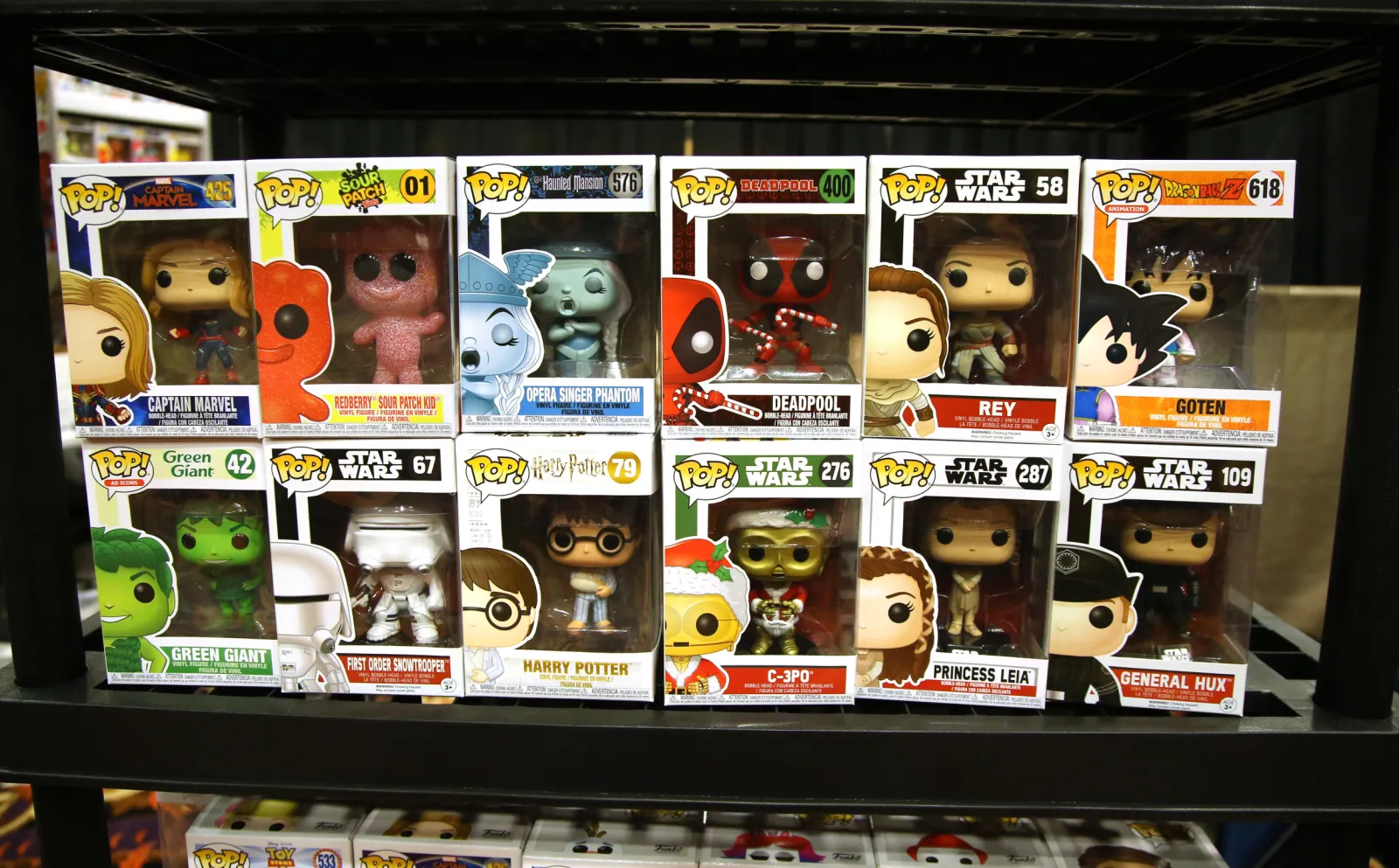
Funko, the company behind the collectible POP! figurines, have increased prices this year, attributing this—and its broader financial struggles—to the trade policies of the Donald Trump administration.
Funko announced earlier this year that, starting in July, it would be increasing the retail price of its flagship POP! dolls to $14.99. This compares to $11.99 in 2024, according to online collectibles store Boxed Vinyl. Funko said that this was in part due to "rising tariffs" which had "significantly" pushed up its costs.
Last week, the company posted a weak set of results for the second quarter, again blaming these price adjustments, as well as its decision to cut around 20 percent of its workforce, on the tariffs.
Read More on U.S.
Newsweek has reached out to Funko via email for further comment, and to the U.S. Department of Commerce for a response.
Why It Matters
While rising tariffs on the majority of America's trading partners promise to reshape most aspects of the economy, toymakers in particular are expected to feel an outsize impact given the industry's reliance on imports from China.
Many major brands besides Funko—including Hasbro and Barbie-maker Mattel—warned earlier this year that they would need to raise toy prices to mitigate these effects. The 90-day trade truce agreed between the U.S. and China in May, and extended again this week, eased some of these concerns, but industry representatives remain fearful of the impacts.
What To Know
Last week, Funko reported $193.5 million in sales for the second quarter which ended June 30, marking a 22 percent decline from $247.7 in the comparable period of 2024.
During the quarter, which interim CEO Mike Lunsford said was "impacted by a dynamic and uncertain tariff environment," Funko also swung to a net loss of $41 million from a $5.4 million net income last year.
In a subsequent earnings call, Chief Financial Officer Yves LePendeven said that tariffs had led to a pause in U.S.-bound orders from China, which in turn disrupted second-quarter sales.
...
Lunsford said that the company had "moved quickly" during the quarter to minimize the impact of tariffs. These efforts included the price increases, a "workforce reduction of approximately 20 percent," and efforts to shift more of its production out of China and into Vietnam and other sourcing countries.
Having fully implemented the price increases and returned to ordinary shipping schedules, LePendeven said the company expects "to fully offset the financial impact of incremental tariffs within the current year." However, he added that "continuing uncertainty around global tariff policies" made it challenging to provide a concrete financial forecast for the remainder of 2025.
According to recent analysis by economic research firm John Dunham & Associates, published by The Toy Association last week, toy imports have declined significantly this year. Total imports fell 31 percent year-over-year in June, driven by a 47 percent drop in Chinese shipments. The Toy Association, a trade organization representing U.S. toymakers, said the figures "raise concerns about potential product shortages later in the year if the trend continues."
What People Are Saying
Mike Lunsford, Interim CEO at Funko, said: "Looking ahead, we expect headwinds to moderate and our business to improve as a result of the actions we've taken to cut costs, diversify product sourcing and adjust prices. The team is focused on stabilizing the business, accelerating execution on growth initiatives and unlocking Funko's long-term potential."
Kathrin Belliveau, chief policy officer at The Toy Association, said this week: "Tariffs are creating serious headwinds for the toy industry and are disrupting the flow of toys into the U.S. market ahead of the crucial holiday season. Tariffs don't just affect companies; they ultimately impact the choices and prices American families face. Without relief, we risk seeing fewer products on store shelves, higher costs for families, and lasting strain on the businesses that bring play to children."
What Happens Next?
While Funko said that ongoing changes in the trading environment make providing a formal outlook challenging, it expects its financial performance in the second half of the year to mark an improvement compared to the first six months. However, it still expects net sales to decline by "high single-digits" compared with the second half of 2024.
U.S. toy sales were solid in the first half of 2025, according to market research firm Circana, with dollar sales up by 6 percent year-over-year and units sold up 3 percent.
The toy industry is showing strength during this period as consumers are holding their breath and waiting for higher prices to kick in," said Juli Lennett, vice president and industry adviser for Circana's toy division.
"This resilience is especially important as we set our sights on the holiday season and what categories are critical for the consumer to bring joy to their loved ones."
View 0 Comments
Submit Correction
View Editorial & AI Guidelines