...

By Jordan King
Reporter
0
Share
Newsweek is a Trust Project member
See more of our trusted coverage when you search.Prefer Newsweek on Googleto see more of our trusted coverage when you search.
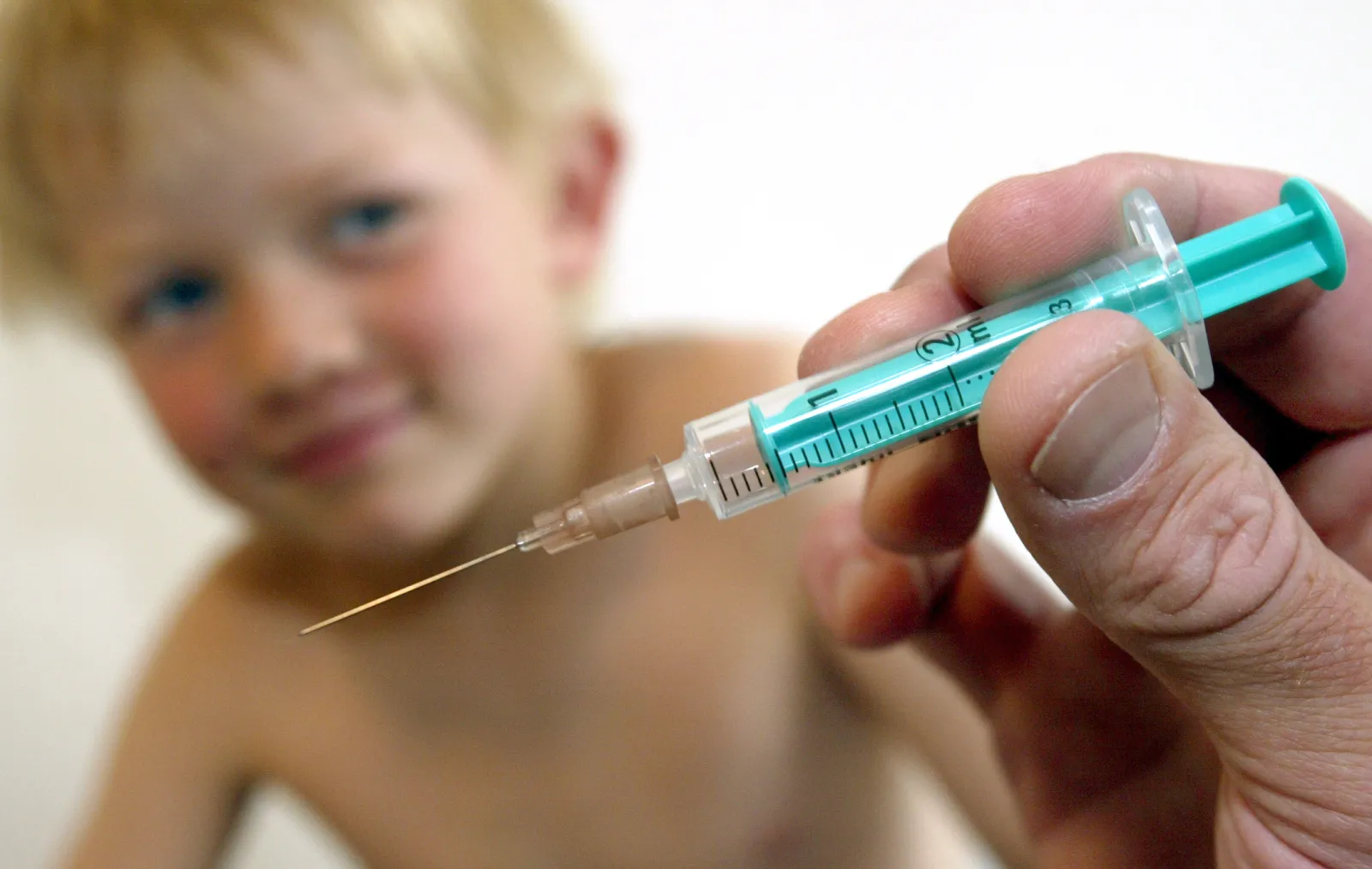
The Centers for Disease Control and Prevention (CDC) has reduced the number of vaccines universally recommended for children—below is a full list of the vaccines removed.
Major jabs—including shots for influenza, hepatitis A and hepatitis B—will no longer be recommended for children, the Department of Health and Human Services announced on Monday.
Newsweek has contacted the CDC for comment via email outside normal working hours.
Read More on News
Why It Matters
In December, President Donald Trump issued a memo directing the CDC to review international best practices. The agency's overhaul marks one of the largest shifts in U.S. childhood vaccine policy in decades and comes amid falling childhood vaccination rates and increased skepticism toward public health guidance.
Public health officials and pediatricians worry that reducing universal recommendations could accelerate these trends, while supporters argue the revised schedule prioritizes trust and aligns the U.S. more closely with international standards.
...
What To Know
This is the full list of vaccines dropped from universal childhood recommendation:
- Influenza (flu)
- Rotavirus
- Meningococcal (including ACWY and B)
- Hepatitis A
- Hepatitis B
- COVID-19
- Dengue
- Respiratory syncytial virus (RSV)
Of these, influenza, rotavirus, meningococcal, hepatitis A and B, and COVID-19 were previously recommended for all children. Now, they are either for high-risk populations or require shared clinical decisions. Dengue and RSV were previously recommended only for high-risk groups and remain so, according to the health department's fact sheet.
All vaccines remain available and fully covered by insurance, and they can be accessed if parents and health care providers determine they are needed.
Under the new CDC childhood immunization policy, vaccines are organized into three categories:
- Recommended for all children: Diphtheria, tetanus, acellular pertussis (DTaP/whooping cough), Haemophilus influenzae type b (Hib), pneumococcal conjugate, polio, measles, mumps, rubella, human papillomavirus (HPV, now one dose instead of two or three) and varicella (chickenpox).
- Recommended for high-risk groups: Respiratory syncytial virus (RSV), hepatitis A, hepatitis B, dengue, meningococcal ACWY and meningococcal B.
- Shared clinical decision-making: Rotavirus, COVID-19, influenza, meningococcal disease, hepatitis A and hepatitis B.
What People Are Saying
Health and Human Services Secretary Robert F. Kennedy Jr. said in a statement on January 5: "After an exhaustive review of the evidence, we are aligning the U.S. childhood vaccine schedule with international consensus while strengthening transparency and informed consent. This decision protects children, respects families, and rebuilds trust in public health."
President Donald Trump wrote on Truth Social: "Parents can still choose to give their children all of the Vaccinations, if they wish, and they will still be covered by insurance. However, this updated Schedule finally aligns the United States with other Developed Nations around the World."
Dr. Rich Besser, the president and CEO of the Robert Wood Johnson Foundation, the largest philanthropic organization in the United States focused exclusively on health, spoke out against the move, telling Newsweek: "Secretary Kennedy has said that people should not take medical advice from him. This announcement shows exactly why that's the case.
"Secretary Kennedy's changes to the recommended childhood vaccine schedule, once again, put our children at increased risk. For decades, recommended vaccines have ensured that children have the chance to learn, grow, play, and reach their full potential. By deliberately undermining parents' trust in vaccination, Secretary Kennedy is putting many more children at increased risk of preventable illness and disease."
What Happens Next
The CDC and Department of Health and Human Services are working with state agencies, provider organizations and parent groups to implement and educate the public about the new schedule. All vaccines remain covered by insurance. Ongoing research is expected to include expanded clinical trials and comparative effectiveness studies of vaccines and vaccine schedules.
Update 1/7/2026, 6:33 a.m. ET: This article has been updated with comment from Dr. Rich Besser.
The news cycle is loud. Algorithms push us to extremes. In the middle—where facts, ideas and progress live—there's a void. At Newsweek, we fill it with fearless, fair and fiercely independent journalism.
Common ground isn't just possible—it's essential. Our readers reflect America's diversity, united by a desire for thoughtful, unbiased news. Independent ratings confirm our approach: NewsGuard gives us 100/100 for reliability, and AllSides places us firmly in the political center.
In a polarized era, the center is dismissed as bland. Ours is different: The Courageous Center—it's not "both sides," it's sharp, challenging and alive with ideas. We follow facts, not factions. If that sounds like the kind of journalism you want to see thrive, we need you.
When you become a Newsweek Member, you support a mission to keep the center strong and vibrant. Members enjoy:
Help keep the center courageous. Join today.


View 0 Comments
Submit Correction
View Editorial & AI Guidelines